This post may contain affiliate links. Please see our disclosure policy.
Honeyberry recipes are a sweet way to open the berry season, since these tart blue haskap berries ripen ahead of the first strawberries. They make wonderful muffins, salads, pork dinners, cheesecakes, cocktails, wine, and homemade jams too.

Table of Contents
- What Are Honeyberries?
- How Do Honeyberries Taste?
- Notes from My Kitchen
- Choosing and Harvesting Honeyberries
- Preparing Honeyberries
- Honeyberry and Haskap Recipes
- Honeyberry Salads and Dressings
- Honeyberry Breakfast Recipes
- Savory Honeyberry Dishes
- Honeyberry Drinks
- Honeyberry Snacks
- Honeyberry Pies, Tarts and Crumbles
- Honeyberry Ice Cream and Cheesecake
- Preserving Honeyberries
- Honeyberry Recipes FAQs
- More Northern Berry Roundups
Honeyberries, also called haskap berries, are the first fruit of the year in our garden. They’re ready around the end of May, about the time of our last frost, and that’s two or three weeks before the strawberries.
I wanted honeyberries for years before I finally found plants, and we got them in the ground just days before my daughter was born. These days my kids eat most of the harvest right off the bushes.
Our heavy, wet clay is a poor match for blueberries, but honeyberries don’t mind it. If blueberries struggle where you live, you can grow honeyberries instead.
For more berries that ripen in early summer, try my saskatoon recipes or my blackcurrant recipes.

What Are Honeyberries?
Honeyberries (Lonicera caerulea) are an edible honeysuckle. They grow wild across the far north of Europe, Asia and North America, and they go by a long list of names, including blue honeysuckle and sweetberry honeysuckle, and Russians call it zhimolost, their word for honeysuckle.
Haskap is the name used in Japan, and the word comes from the Ainu language of Hokkaido. Canadian growers sell them as haskaps, while most nurseries in the United States call them honeyberries.
The bushes are extremely cold hardy and grow in USDA hardiness zones 2 to 7, depending on the variety. They aren’t invasive like some ornamental honeysuckles, and they grow a lot like blueberry bushes, only less fussy. Utah State University Extension has a good overview of haskap in the garden.
You’ll need at least two compatible varieties planted near each other for the bushes to set fruit. For plants, Stark Bro’s sells a Northern Lights Honeyberry Plant Collection.
In the kitchen, honeyberries are easy to work with. I make my haskap jam with nothing but berries and sugar, with no added pectin.

How Do Honeyberries Taste?
Most people describe honeyberries as a cross between a blueberry and a raspberry, with a tart finish. Some varieties taste a little like blackcurrants or elderberries.
Sweetness varies quite a bit between varieties. I grow mostly tart ones because they make better jam, but they’re still sweet enough for my kids to eat by the handful.
The skins are thin and tender, so they break down completely when you bake with them. The berries also turn yogurt, ice cream, and batter a deep purple.
Notes from My Kitchen

We eat bowl after bowl of freshly harvested honeyberries each spring, and they’re a welcome treat after a long winter with no homegrown fruit.
The ice cream and wine recipes came from a bumper year, when our bushes gave us about four times our usual harvest. The kids ate their fill of fresh berries, and for once there was enough left over to churn a big batch of haskap ice cream for the freezer and wine for the cellar.
Choosing and Harvesting Honeyberries
Honeyberries turn blue well before they’re ripe, so give them time. On most varieties, a ripe berry is purple all the way through instead of green inside, and it comes off the branch easily.
Ripe honeyberries are softer than blueberries and don’t keep long, so pick them gently and use them quickly. Some growers spread a tarp under the bush and gently shake the plant to collect the ripe fruit.
If you’re buying them, look for honeyberries at farmers markets in late spring and early summer. They’re becoming a popular crop for market growers, since they come in before almost anything else.

Preparing Honeyberries
Rinse honeyberries gently in cool water just before you use them, and pick out any stems or leaves.
In everyday baking, you can use them anywhere you’d use blueberries, like muffins, pancakes, pie or my lemon blueberry scones. For canning, stick to a recipe written for honeyberries.
Freeze extras on a baking sheet, then pour them into freezer bags once they’re hard. I freeze most of our summer fruit this way, and there’s more on it in my freezing fruit guide.
You can also dry them in a dehydrator until they’re chewy, like little raisins. If you’re new to drying fruit, start with my beginner’s guide to dehydrating food.
Honeyberry and Haskap Recipes
These honeyberry recipes cover breakfast, salads, savory dinners, drinks, snacks, pies, cheesecakes and preserves. Each recipe name links to the full recipe.
If you’re wondering what to do with haskap berries in a big year, start with the baking. They’re soft and they don’t keep, so muffins, pies and jam use up a big bowl quickly.

Honeyberry Salads and Dressings
Honeyberries blend into a pretty purple dressing for summer greens. One of these dressings adds honey, one adds balsamic vinegar, and the summer salad comes with its own haskap dressing.
Scatter a few whole berries over the top right before serving, so they don’t bleed into the greens.

Honeyberry Breakfast Recipes
Honeyberries bake right into muffins, pancakes and donuts, and their thin skins melt into the batter. Little kids love the purple color.
For a quick breakfast, stir them into yogurt, or spoon a warm compote over crepes, my Finnish pancakes or a Dutch baby.
Honeyberry yogurt and compote are two more easy ways to start the day.
Savory Honeyberry Dishes
Honeyberries make a tangy sauce for meat and fish, especially with rosemary, thyme or a little honey.
Pork is a natural match. The roast pork loin gets a mulled haskap glaze, the brisket cooks low and slow in a haskap barbecue sauce, and the mole sauce goes over both chicken and pork.
- Haskap and Rosemary Sauce
- Roasted Pork Loin with Mulled Haskap Berries and Glaze
- Slow Cooker Brisket with Haskap Barbecue Sauce
- Chicken and Pork in Haskap Mole Sauce
Honeyberry Drinks
Honeyberries turn any drink a deep purple. Blend fresh or frozen berries into a smoothie, or simmer them into a syrup for iced tea and cocktails.
The pisco sour and the Tom Collins both pair haskaps with lime. For more fruity cocktails, try my rhubarb cocktails.
- Haskap Berry Lime Pisco Sour
- Haskap Lime Tom Collins Cocktail
- Iced Haskap Green Tea
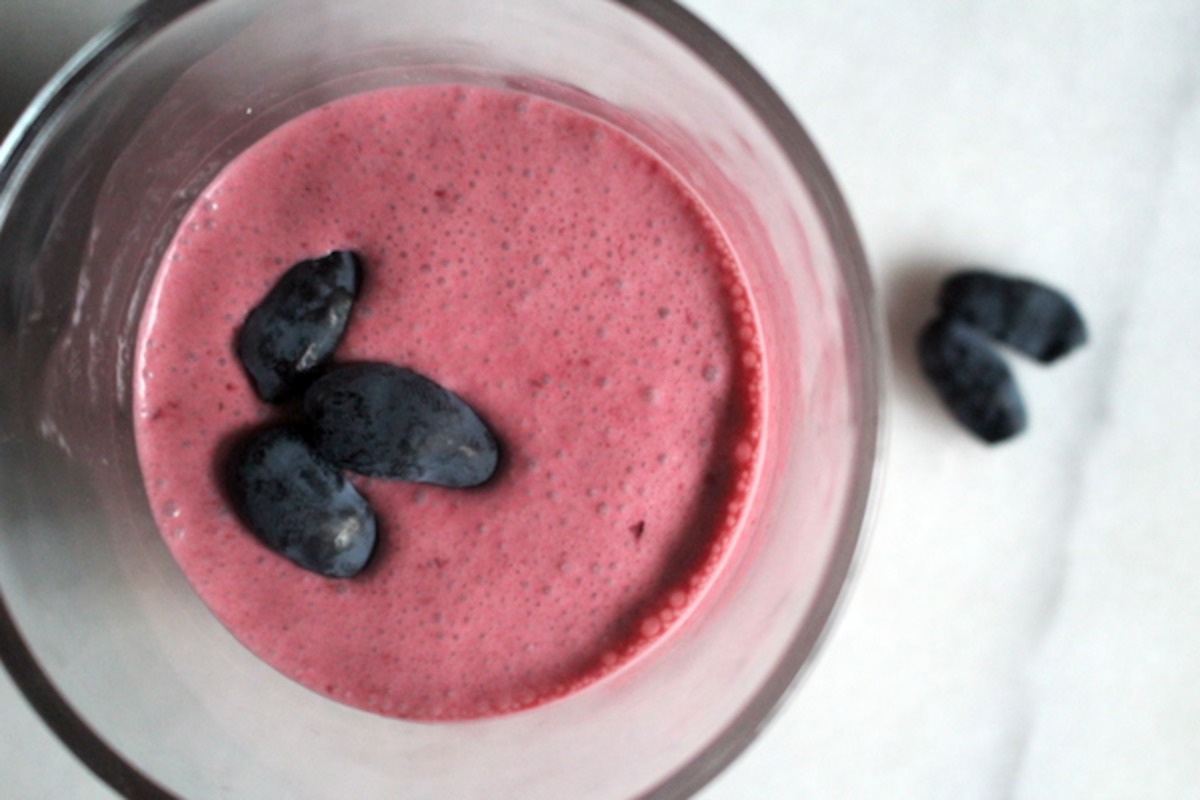
- Haskap Vanilla Milkshake or Smoothie
Honeyberry Snacks
A haskap syrup or haskap powder mixed with sugar makes a crunchy candied coating for popcorn.
The popsicles are an easy summer snack for kids, and the beet and haskap hummus comes out a deep burgundy. For another pretty purple popsicle, try my lilac popsicles.
Honeyberry Pies, Tarts and Crumbles
Honeyberries can take the place of blueberries in just about any pie or tart. Some bakers like a mix of varieties in the filling for a balance of sweet and tart.
The Finnish pie and the hand pies are sweet, and the goat cheese tart gets fresh sage.
A grunt is an old-fashioned stovetop dessert, with dumplings steamed on top of simmering fruit. The crumble pairs haskaps with rhubarb, another early garden crop.
Honeyberry Ice Cream and Cheesecake
Honeyberries turn ice cream and cheesecake a pretty lavender purple.
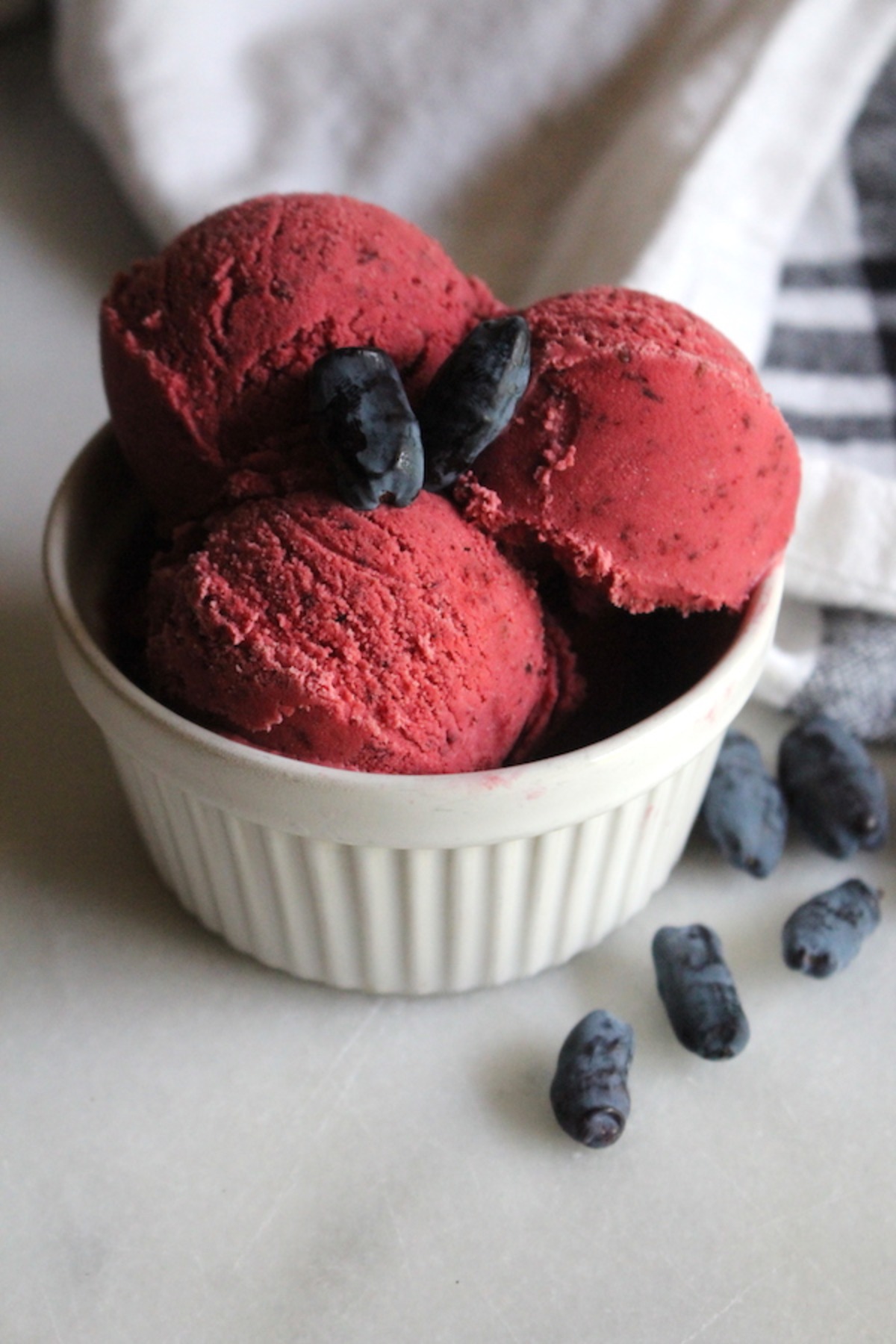
I churn my haskap ice cream in an ice cream maker, and the no-churn version only needs a freezer. For a plain base to start with, try my sweet cream ice cream.
The three cheesecakes include a family recipe, a no-bake version and one made with haskap juice.
Preserving Honeyberries
Honeyberries make a rich, dark wine that tastes a lot like a full-bodied red. Add honey and you have a berry mead, which winemakers call a melomel.
There are dozens more ideas in my list of mead recipes.
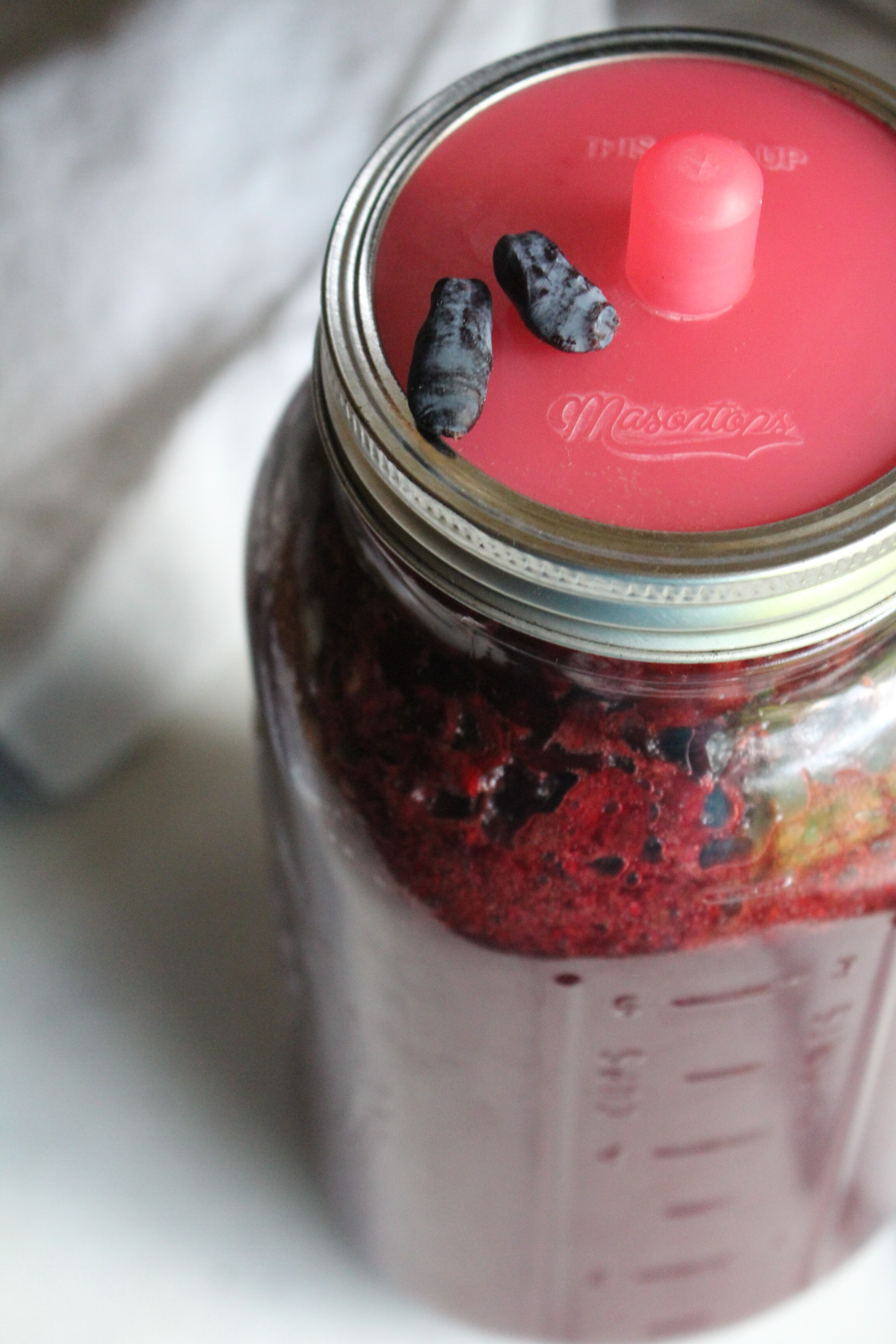
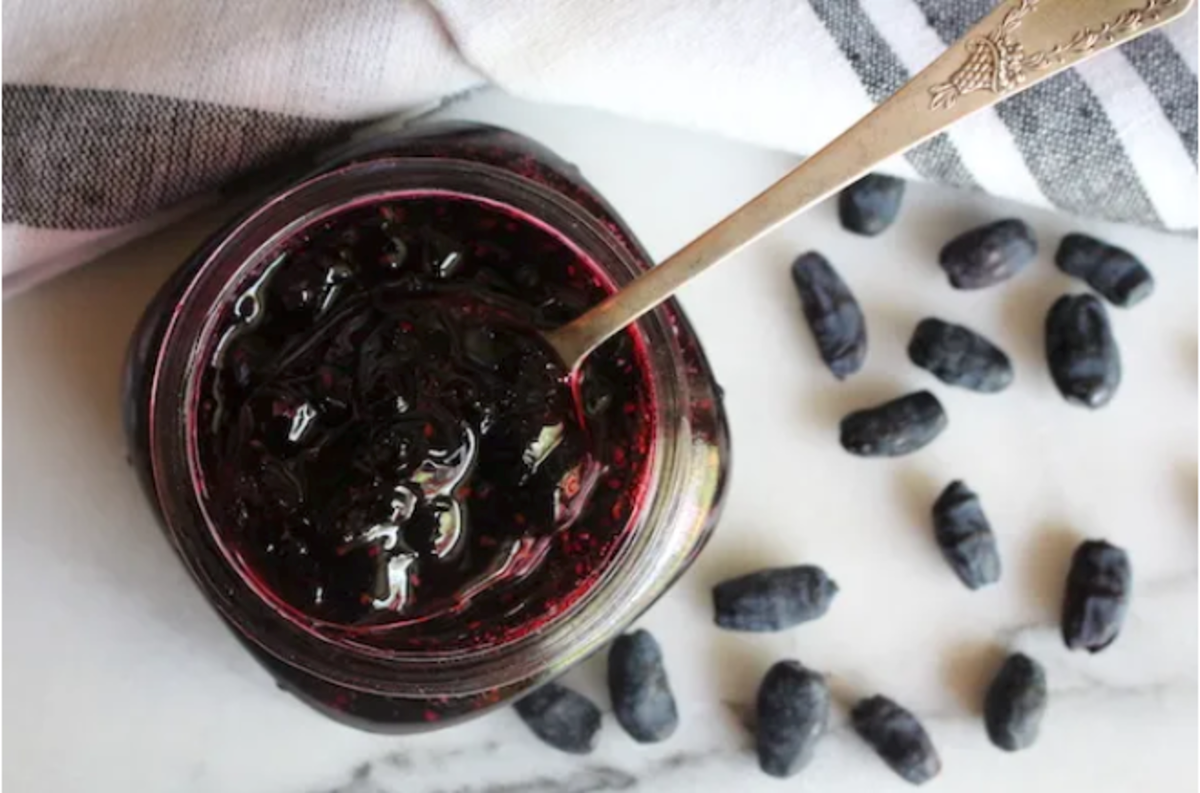
For the pantry, haskap jam is the very first jam I make each year. The maple whiskey jam is a fun one for gifts, and if you like that flavor, my maple whiskey pear butter is another good pantry gift.
If you’re canning, follow a tested recipe like my haskap jam, or keep homemade preserves in the fridge. The simple syrup goes into drinks, over pancakes or onto popcorn.
Honeyberry Recipes FAQs
Readers ask whether honeyberries are invasive, whether haskaps are the same thing, how they taste, whether they can stand in for blueberries and when they’re ripe.
No. Honeyberries are an edible honeysuckle, but they aren’t invasive like some ornamental honeysuckles. They grow a lot like blueberry bushes, only they’re less fussy and more cold hardy.
Yes. Haskap, honeyberry and blue honeysuckle are all names for Lonicera caerulea. Haskap is the name from Japan, and Canadian growers use it, while most US nurseries call them honeyberries.
They taste like a cross between a blueberry and a raspberry, with a tart edge. Some varieties are fairly sweet, and others are tart enough that most people cook them with a little sugar.
Yes, in everyday cooking and baking. Use them cup for cup in muffins, pancakes, pies and smoothies. For canning, use a recipe written for honeyberries rather than swapping them into a blueberry recipe.
In our Vermont garden, they ripen around the end of May, a couple of weeks before strawberries. On most varieties, wait until the berries are purple all the way through and come off the branch easily.
More Northern Berry Roundups
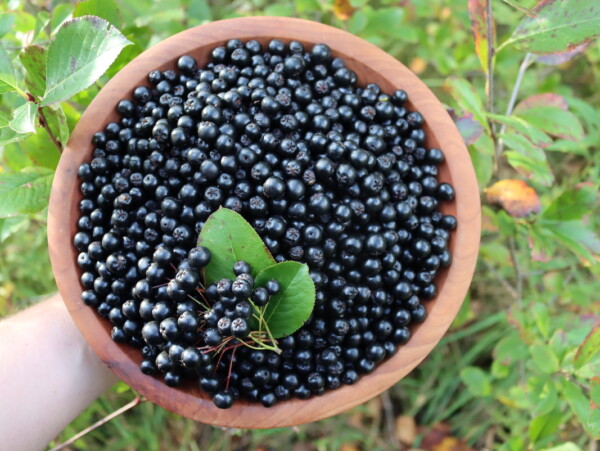
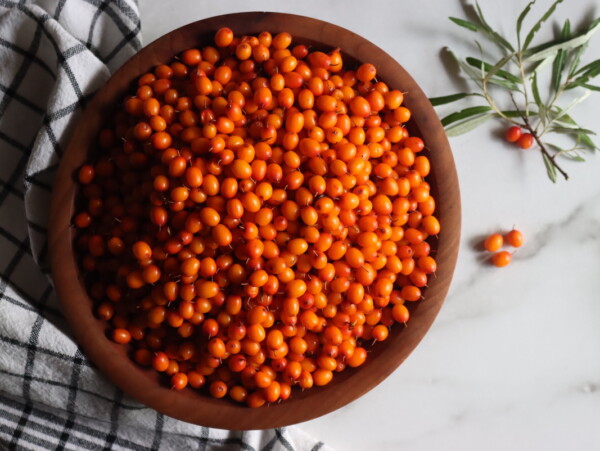
Saskatoons, aronia and sea buckthorn are three more berries that grow well in cold gardens.

Did you find this list of honeyberry recipes helpful? Tell me in the 📝 comments below what you make with your honeyberry harvest, and if there’s a recipe you’re looking for that you don’t see, leave me a note and I’ll see what I can find for you. I’m here to help!
And make sure you stay in touch with me by following on social media!
Find the perfect recipe
Searching for something else? Enter keywords to find the perfect recipe!

Ashley,
Do you have a y links or preferred resources for purchasing honey berries? Are honey berries as I invasive as Honey Suckle?
Honeyberries are not invasive at all, and they grow more or less like blueberry plants, but they’re slightly less fussy than blueberries and more cold hardy. For getting honeyberry fruit, I don’t have any good sources other than your local farmer’s market as it needs to be quite fresh since they spoil quickly (the fruit are softer than blueberries). For honeyberry plants, try Fedco Trees.