This post may contain affiliate links. Please see our disclosure policy.
Aronia recipes turn these dark, glossy little berries into deep purple jelly, syrup, pie, and homemade wine. With a little sugar or some sweeter fruit, aronia tastes rich and fruity, and there are plenty of ways to use them.

Table of Contents
- What Are Aronia Berries?
- How Do Aronia Berries Taste?
- Notes from My Kitchen
- Where to Buy Aronia Berries
- Preparing Aronia Berries
- Aronia Recipes
- Aronia Juice, Syrup, and Drinks
- Aronia Wine, Liqueur, and Cocktails
- Aronia Jam, Jelly, and Chutney
- Aronia Baked Goods
- Savory Aronia Recipes
- Other Ways to Use Aronia
- Aronia Recipes FAQs
- More Tart Berry Roundups
I’d never heard of aronia until I spotted a few plants at a local permaculture nursery. The tag called it a native shrub with edible berries that does well in wet soil, and much of our land is wet, so a few came home with me.
Once I knew what to look for, I started seeing aronia everywhere. It grows in parking lot plantings around town and in wild patches along the river near our house.
If you have more tart berries to use up, my gooseberry recipes and honeyberry recipes are full of ideas, too.

What Are Aronia Berries?
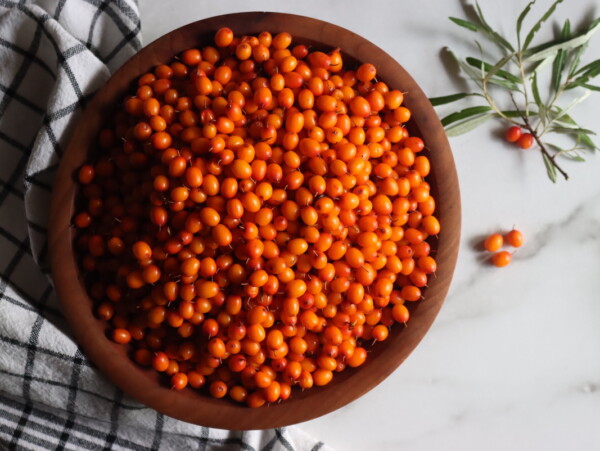
Aronia berries are the fruit of the chokeberry, a shrub native to eastern North America. The one sold as aronia is black chokeberry (Aronia melanocarpa), with purple-black berries about the size of a small blueberry.
Red chokeberry (Aronia arbutifolia) is edible, too, but I find the berries dry and mealy. It’s not nearly as tasty as its black cousin.
Don’t confuse chokeberries with chokecherries, which are wild cherries with a hard pit. They’re completely different plants, and my guide to identifying aronia berries shows how to tell them apart.
Aronia berries are rich in antioxidants, which is why stores often sell them as a superfood. Most people end up cooking them, though, because of the astringency.

How Do Aronia Berries Taste?
Raw aronia berries are tart and very astringent, with the same dry, puckery feeling you get from strong tea. That’s where the name chokeberry comes from.
I’ll eat a few straight off the bush, but there’s only so many you can put away that way. Cook them with sugar or blend them with sweeter fruit, and they taste much milder and fruitier.
In my experience, cultivated aronia is a bit less tannic than wild fruit, though it’s still astringent raw.
Notes from My Kitchen

Aronia are well known now as a “super food” berry and you’ll find them frozen in most grocery stores these days. The tricky part is figuring out how to use them. We grow them at home, so we’ve had plenty of seasons to experiment.
Aronia gives us a heavy crop most years, and most of it goes into wine and juice. We make a couple of gallons of aronia wine each fall, and it ages into something that reminds me of port. I blend the juice with apples and grapes for breakfast smoothies all winter long.
Where to Buy Aronia Berries
Fresh aronia is hard to find in grocery stores, but some local farms sell it when the berries ripen in late summer and early fall. Online, you’ll find frozen berries, juice, dried aronia berries, and freeze-dried powder.
To grow your own, Stark Bro’s sells Viking aronia plants. The shrubs are hardy, and they’re happy in wet spots where little else grows.
Preparing Aronia Berries
Aronia berries are easy to clean. Pull them off their stems, rinse them, and pick out any shriveled ones.
Freeze them if you plan to make juice. Freezing breaks down the berries, so they give up more juice when you cook them.
The juice is a deep purple, and it stains hands and counters the way elderberry juice does. Keep a dark towel nearby.
Aronia Recipes
These aronia recipes include juice and syrup, drinks, jam and jelly, baked goods, savory dishes, and frozen desserts. Most of them sweeten the berries or pair them with milder fruit.
With a big harvest, start with juice. It freezes well, so I’ll often stash a few quarts and make jelly later in the fall, when tomatoes aren’t taking over the kitchen.
Aronia Juice, Syrup, and Drinks
Aronia juice is dark, tart, and a little tannic, so most recipes sweeten it or mix it with apple or grape juice.
Simple syrup is an easy way to use the juice. Stir it into lemonade or drizzle it over pancakes, and the Moscow mule mocktail uses the juice straight.

Fresh or frozen berries blend into smoothies, and dried berries steep into a fruity tea.
Aronia Wine, Liqueur, and Cocktails
Aronia makes a dark, dry wine that gets better with age. Mine benefits from a long aging time, and the harsher flavors mellow as it sits.
Homemade chokeberry liqueur is popular in parts of Eastern Europe, where farms have grown aronia for juice and wine since the mid-1900s.
Aronia syrup also works in cocktails. These use it in a whiskey sour, a gin drink, and a sparkling vodka fizz.
Aronia Jam, Jelly, and Chutney
Aronia jelly needs only the juice, so it’s a good fit for a big batch of berries. In my experience, the pectin seems to smooth out the astringency, so the jelly tastes rounder than plain juice.
To use the pulp, try a jam or preserves. The simple chokeberry preserves keep the whole berries, and apple or rhubarb softens the tartness in the other two.
- Aronia Jelly
- Simple Chokeberry Preserves
- Aronia and Apple Jam with Walnuts
- Rhubarb Aronia Refrigerator Jam

Aronia also ferments into a tangy chutney.
Aronia Baked Goods
Aronia berries bake well in muffins and quick breads, and frozen or dried berries both work.
Both of these pair aronia with banana, since its sweetness balances the tart berries.
In pies and tarts, cooks often mix aronia with sweeter fruit, like nectarines or other berries. One Nordic pie bakes the berries into a creamy quark filling.
- Aronia Triple Berry Pie
- Aronia Berry Pie
- Aronia and Quark Pie
- Rustic Tart with Nectarines and Aronia Berries
The oatmeal crumble bars are easy to slice and pack.
Savory Aronia Recipes
Aronia makes a good salad dressing, since its tartness works like a squeeze of lemon. One is a classic vinaigrette, and the other dresses a beet salad.
The berries also go on roasted squash with arugula, and one adventurous pizza tops them with gorgonzola and pancetta.
- Aronia Berry Vinaigrette
- Beetroot Salad with Aronia Berry Dressing
- Roasted Delicata Squash with Arugula and Aronia Berries
- Savory Aronia Berry Pizza
Other Ways to Use Aronia
Frozen desserts are an easy way to get kids to try aronia. The ice cream uses coconut, and the freezer pops use Greek yogurt.
Aronia berries also go into herbal tinctures. As with any herbal remedy, check with your doctor before you use one.
Aronia Recipes FAQs
Readers ask whether aronia berries are safe to eat raw, how they differ from chokecherries, how to use the pulp, and when they’re ripe.
Yes. Aronia berries aren’t toxic, but they’re very tart and astringent raw, so most people sweeten them, cook them, or blend them with sweeter fruit.
No. Chokeberries are aronia, a shrub with small dark berries. Chokecherries are wild cherries with a single hard pit. Both are in the rose family, but they’re completely different plants.
Make a jam or preserves with the whole berries, or cook the pulp slowly with sugar into a fruit butter. Pairing aronia with apples or rhubarb softens the tartness.
Aronia berries ripen in late summer and early fall, when they turn a deep purple-black and give a little when you squeeze them.
More Tart Berry Roundups
Honeyberries, gooseberries, and blackcurrants are three more tart berries that turn sweet and jammy with a little sugar.


Did you find this list of aronia recipes helpful? Tell me in the 📝 comments below what you make with your aronia harvest, and if there’s a recipe you’re looking for that you don’t see, leave me a note and I’ll see what I can find for you. I’m here to help!
And make sure you stay in touch with me by following on social media!
Find the perfect recipe
Searching for something else? Enter keywords to find the perfect recipe!

To Whom It May Concern:
I grow Aronia melanocarpa in my yard and want to find recipes for using the whole fruit. A lot of recipes, I have found, tend to simply use foraged fruit as a substitute for cultivated varieties, but don’t appear to have been created via experience, as the end results are quite different than described in the recipes. I will create Aronia jelly, using your recipe, but also wondered what you might do differently, if anything, in the creation of Aronia jam. I saw the recipe you posted related to jam, and actually happened upon it myself too. Although it does appear to be authentically experienced, I would rather not use applesauce/other fruit in place of Aronia pulp. Do you have any suggestions for using the pulp in jam, given your background/experience with this fruit? Are there variations on the jelly recipe you posted that might benefit this idea? Lastly, how would you can the jam vs. jelly in a water bath canner? Thank you, in advance, for your assistance.
Sincerely,
Paul Cesare
Hi Paul,
If you’re wanting to use the pulp rather than just the juice, I’d suggest this recipe from forager chef: https://foragerchef.com/simple-chokeberry-aronia-preserves/
He is using foraged fruit, but it’ll work just as well with cultivated fruit (if not better, since cultivated are generally a bit less tannic).
If you just want to use fruit pulp and sugar, rather than adding the pectin he uses, then you could turn it into a fruit butter instead of a jam and simply slow cook it down until you get the right consistency.
Hope this helps!