This post may contain affiliate links. Please see our disclosure policy.
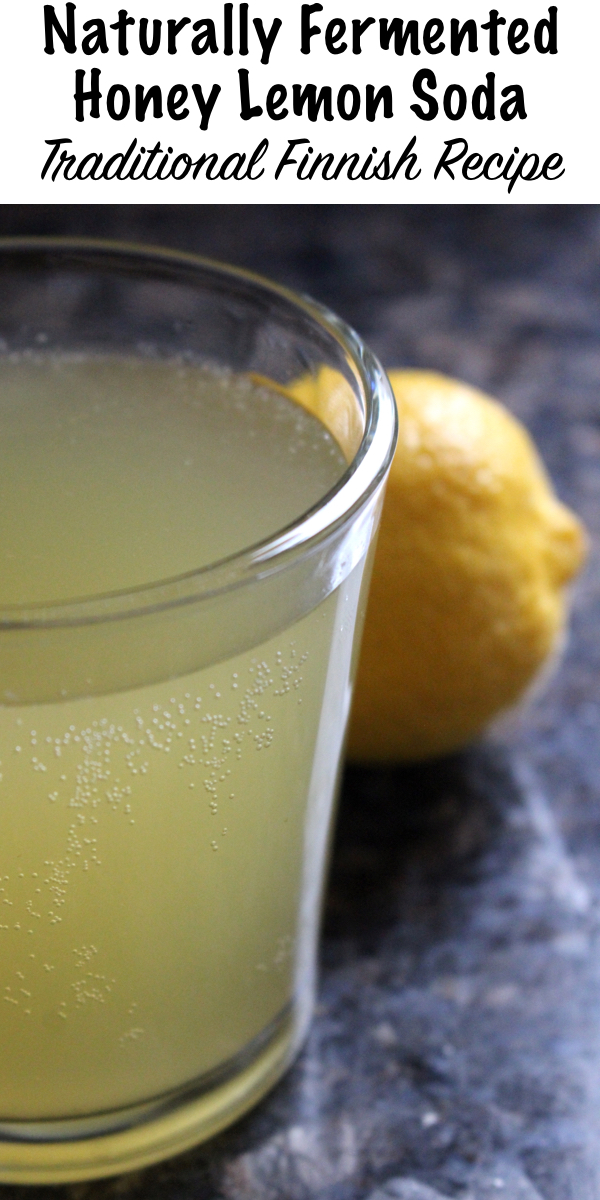
Finnish fermented lemonade, known as sima, is a lightly carbonated honey-and-lemon soda that’s been brewed in Finland for generations to celebrate Vappu, the Finnish May Day.
It comes together with five ingredients (lemon, honey or sugar, raisins, water, and an optional pinch of yeast), ferments on the counter for 24 to 48 hours, finishes carbonating in the fridge for another 2 to 4 days, and produces a bright, fizzy, barely-alcoholic drink the whole family can share. It’s the rare ferment that’s as kid-friendly as it is grown-up-friendly, and at less than 0.5% alcohol it’s well within the range traditionally served to children at Vappu festivals.
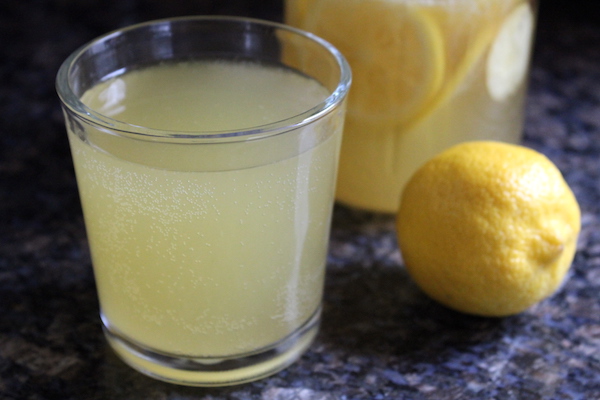
The tradition of mead and honey wine goes back millennia in Nordic countries, and sima is one of its quickest, friendliest descendants. Where most meads ferment for months or years, sima ferments for a single day on the counter and finishes carbonating in the refrigerator over a long weekend. The goal is bubbles, not alcohol, and the raisins floating to the surface signal exactly when the carbonation is right. It’s an old-school drink that fits perfectly into a modern home kitchen.
Sima is the centerpiece of Vappu, Finland’s May Day festival, where it’s served alongside funnel cakes called tippaleipä as everyone emerges from a long northern winter to celebrate the return of warm weather. Up here in Vermont, real spring arrives at almost exactly the same latitude-and-calendar moment as it does in Finland, so making a batch of sima at the start of May has become its own little tradition in our house. By the time the dandelions bloom, the first jar is fermenting on the counter.
This recipe is grounded in the version published in The Nordic Cookbook by Magnus Nilsson, with technique refinements I’ve worked out across six or seven years of making it every spring (and from the questions and corrections sent in by readers in the comments below). The result is a one-quart batch built in a single mason jar, which is plenty for sharing across an afternoon and easy to scale up if you’re hosting a crowd.
Notes from my kitchen

What I love about this recipe (and what makes it different from almost every other ferment I make) is that the raisins do all the hard work for you. They drop nutrients for the yeast at the start, hold wild yeast on their skins, and float to the surface when the drink is properly carbonated.
They’re a biological turkey timer that tells you when the sima is ready. The five raisins floating up to the top of the jar after a day on the counter is one of the small everyday miracles of fermentation, and it’s the kind of thing my kids actually pay attention to when I tell them it’s about to happen.
Quick Look at the Recipe
- Makes: 1 quart (4 servings of 1 cup each)
- Active prep: 10 minutes
- Ferment time: 24 to 48 hours room temperature, plus 2 to 4 days refrigerator carbonation
- Lemon: 1 whole lemon, thinly sliced (or juice and zest of 1)
- Sweetener: Honey, sugar, or a blend
- Yeast source: A pinch of wine or bread yeast, or skip the commercial yeast and rely on the wild yeast on the raisin skins
- Storage: Refrigerated; drink within 7 days for best flavor and safe pressure
Ingredients for Sima
Five ingredients (one of which is technically optional, as you’ll see), all going into a single quart mason jar. The recipe scales up linearly if you want to make a half-gallon or gallon batch.
- Lemon (whole, organic if available): A whole lemon goes into the jar, sliced thin so the peel and pith both contribute. Most of the bright lemon flavor and aroma comes from the oils in the peel rather than the juice, so don’t be tempted to skip the slicing in favor of just adding juice. Organic or unwaxed is best because the peel goes in; if you can only find waxed lemons, scrub them well with hot soapy water first. Some traditional recipes use just the juice and zest of one lemon, which works too and produces a slightly less intense version.
- Honey (or sugar, or a mix): All honey, all sugar, or a blend; all three work and each gives a slightly different character. All honey leans the drink toward its old-school mead roots and gives a rounded, floral finish. White or brown sugar produces a cleaner, more straightforward lemon soda flavor. The 1/2 cup amount in the recipe card is a starting point for a balanced, slightly sweet finish; if you prefer a drier sima, you can drop down to 1 or 2 tablespoons of sweetener and the recipe still works (the yeast just has less sugar to convert into bubbles).
- Raisins (unsulfured): The five raisins do triple duty in this recipe. They contribute a small amount of natural fruit flavor, they drop nutrients into the brew that feed the yeast, and they hold wild yeast on their skins that can carry the entire fermentation if you skip the commercial yeast. They also act as a built-in indicator: as the sima carbonates, the raisins absorb CO2 and float to the surface, and that float is exactly when the drink is ready. Use unsulfured raisins if you can; sulfur dioxide kills wild yeast, so sulfured raisins lose the wild-yeast benefit (the other two purposes still work).
- Yeast (a pinch, optional with unsulfured raisins): A small pinch of yeast (literally a few grains, less than 1/16 teaspoon) is enough to inoculate the entire quart. Premier Blanc wine yeast is my preference if you have it, but standard active dry bread yeast works just fine for a ferment this short, and so does champagne yeast. Wild yeast from unsulfured raisins is also enough on its own; the commercial yeast just gets things going about a day faster. Nutritional yeast does not work; it’s dead yeast cells and won’t ferment.
- Water (filtered or unchlorinated): A full quart of water minus a little headspace (the lemon and honey take up about an inch of volume in a quart jar). Plain tap water works if your municipal water isn’t heavily chlorinated; chlorine kills yeast and can stall the ferment. If you’re not sure, use filtered or boiled-then-cooled water, or leave a pitcher of tap water out uncovered overnight to let the chlorine off-gas.
A note on the wild yeast on raisins: The five raisins in this recipe were originally there as nutrients and as the carbonation indicator, but the wild yeast on their skins is enough to carry the entire fermentation on its own. If you’d like to make sima with no commercial yeast at all, use unsulfured raisins, and expect the ferment to take an extra day. Honey also carries its own wild yeast, so a sima made with raw unfiltered honey and unsulfured raisins is genuinely yeast-free in the commercial sense; the yeast just comes from the ingredients you’ve already got in the jar.
How to Make Sima
Ten minutes of active work, then a 24-to-48-hour wait on the counter, then 2 to 4 days in the fridge to carbonate. Plan it so the carbonation finishes around when you want to drink it; for a Vappu celebration on May 1st, that means starting the batch on April 27th or 28th.
Step 1. Combine the lemon, sweetener, and raisins. Slice 1 lemon thinly (or juice and zest 1 lemon, if you prefer) and add to a clean quart mason jar. Add 1/2 cup of honey or sugar (or a mix) and 5 unsulfured raisins. There’s no need to dissolve anything yet; the boiling water in the next step will take care of that.
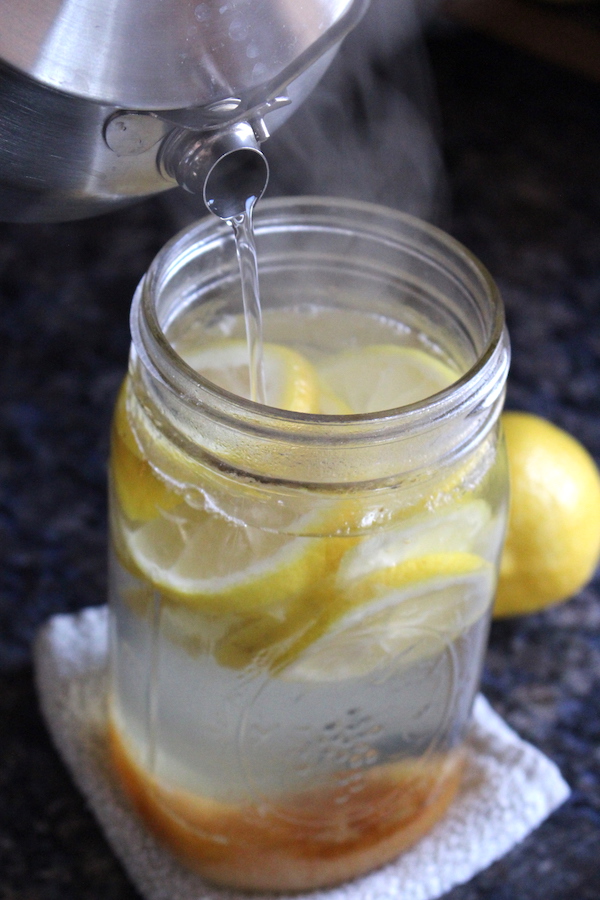
Step 2. Pour near-boiling water over everything. Bring water to a near-boil (it doesn’t need to come to a hard boil) and pour it over the contents of the jar to fill to within 1 inch of the top. That’s roughly 30 ounces of water in a 32 ounce jar. Stir gently with a clean wooden or plastic spoon until the honey or sugar is fully dissolved. The hot water both dissolves the sweetener and pulls the lemon oils out of the peel.
Step 3. Cool to between 90 and 100 degrees Fahrenheit. This is the step where most batches fail. Yeast starts dying around 110°F, and the water will feel “warm not hot” to your hand at temperatures still high enough to kill commercial yeast. If this is your first batch, use a kitchen thermometer; if you don’t have one, leave the jar to cool until it’s barely warm to the touch (a finger held against the side of the jar should feel comfortably warm, not uncomfortably hot). This usually takes about 30 to 45 minutes at room temperature.
Step 4. Add the yeast. Sprinkle a pinch of yeast (a few grains, less than 1/16 teaspoon) onto the surface of the cooled liquid. Stir gently to incorporate. If you’re going wild-yeast-only, skip this step; the raisins are doing the work.
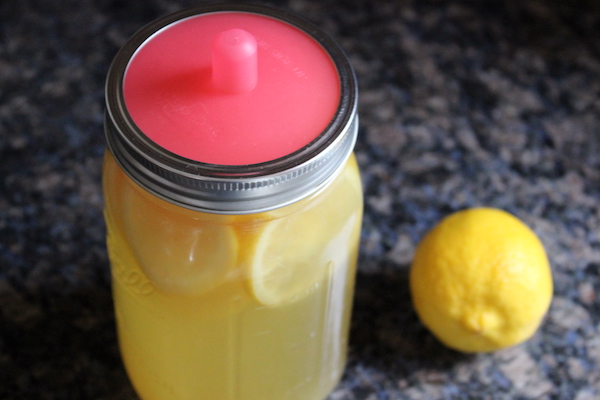
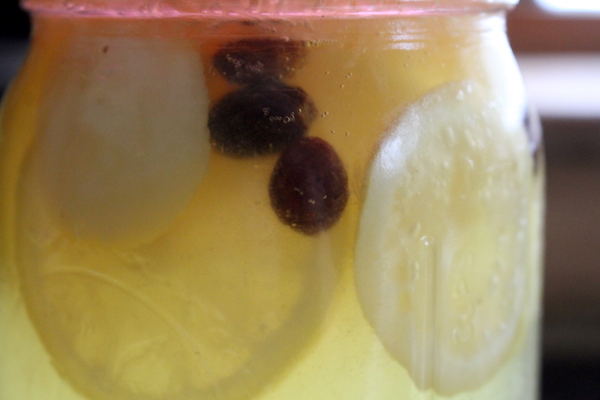
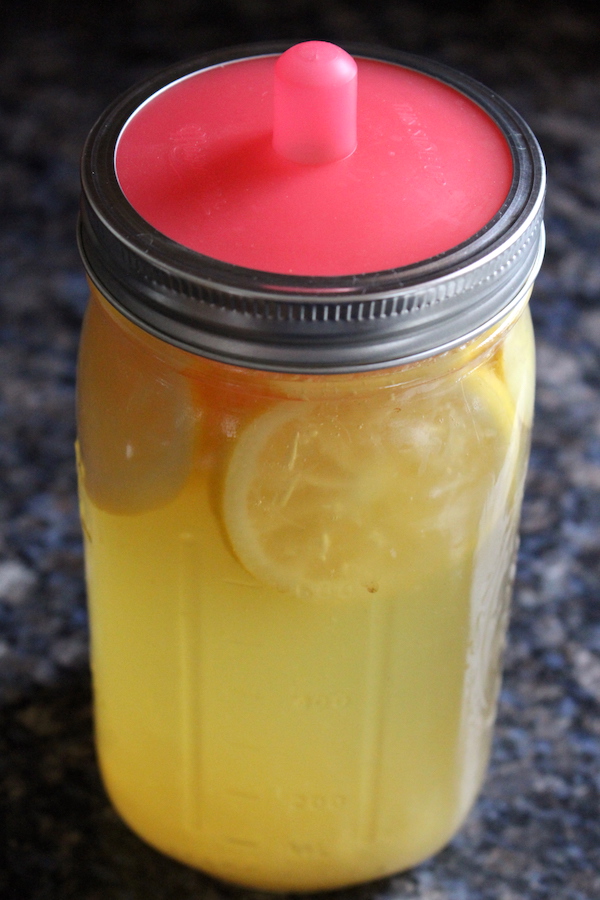
Step 5. Cover and ferment for 24 to 48 hours. Cover the jar with a silicone fermentation lid (which lets CO2 out but not air in), an airlock, or a clean cloth secured with a rubber band. A regular tight mason jar lid will also work, but you’ll need to burp it (briefly loosen and re-tighten) once or twice a day to release pressure. Set the jar somewhere out of direct sunlight at normal room temperature (65 to 75°F is ideal). Check it morning and night; the ferment is done when all 5 raisins have floated to the surface, which usually takes 18 to 36 hours but can vary with temperature.
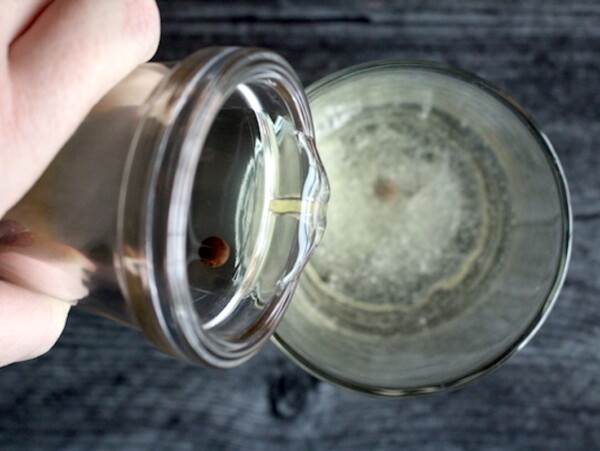
Step 6. Strain and bottle. Once the raisins are floating, pour the sima through a fine mesh strainer into a clean bowl, then transfer to flip-top Grolsch bottles or another sealable container. Discard the spent lemons and raisins (or save the lemons for one of the uses below). Use a brewing funnel to make the transfer neater.
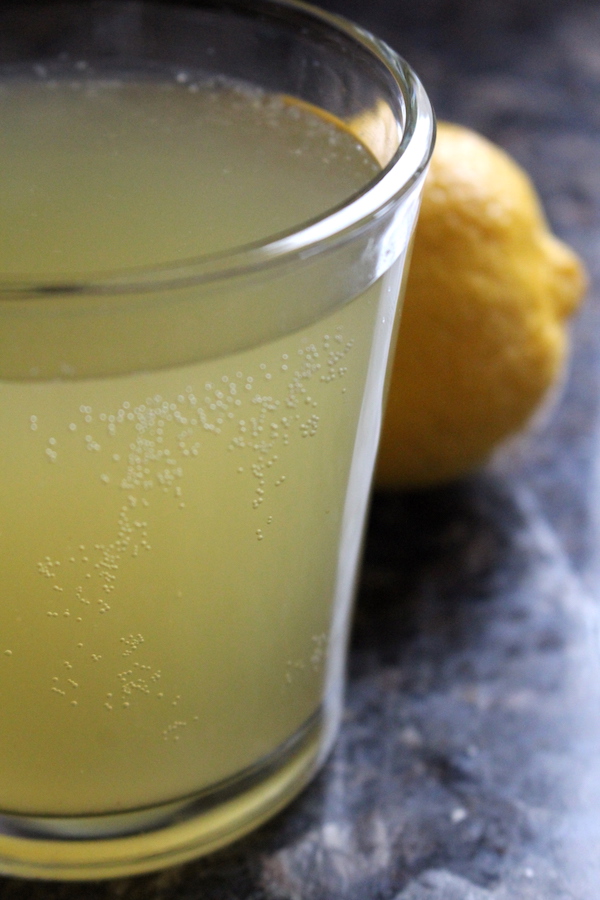
Step 7. Refrigerate to carbonate. Seal the bottles or jars tightly and refrigerate for 2 to 4 days. The cold slows the fermentation but doesn’t stop it; the residual yeast continues to produce small amounts of CO2 that get trapped under the sealed lid and dissolve back into the liquid as carbonation. Open one bottle at the 2-day mark to check; if it’s not bubbly enough, give it another day. If it’s already over-carbonated and gushing, drink that one immediately and move the rest to a colder spot in the fridge.
Step 8. Drink within 7 days. Sima is meant to be drunk fresh, not aged. After about a week the residual yeast will have eaten through enough sugar that the drink starts to climb in alcohol content and over-carbonate; bottles can pop their lids or fracture if left too long. Plan accordingly, share with friends, and enjoy.
Recipe Tips
Use a thermometer the first time. The single most common reason a sima ferment fails is water that was still too hot when the yeast went in. Above 110°F, commercial yeast dies; above about 120°F, even the wild yeast on raisins is in trouble. The water can feel “warm, not hot” to a hand and still be over 110°F. A cheap kitchen thermometer takes the guesswork out, and you’ll only need it for the first batch or two before you develop a feel for the right temperature.
Watch the raisins, not the clock. The 24-to-48-hour timing is a range, not a deadline. Warm rooms ferment fast; cool rooms ferment slow. The raisins floating to the top is the actual indicator that the sima is ready, and that can happen anywhere from 12 to 36 hours after the yeast goes in. If you’re seeing bubbles and the raisins are bobbing at the surface, it’s done; if it’s been 48 hours and the raisins are still on the bottom, give it another 12 hours or check that your water temperature didn’t kill the yeast.
Mind the pressure during refrigerator carbonation. Sealed bottles trap CO2, which is what produces the carbonation, but it’s also what causes occasional bottle failures. Use thick-walled glass bottles designed for pressure (the flip-top Grolsch bottles linked above are specifically built for it), keep them in the fridge during carbonation rather than on the counter, and don’t extend the carbonation past 4 days without burping. If you’re new to fermenting, plastic bottles for the first few batches are a safer choice; they bulge before they fail, giving you a visible warning. Glass bottles fail without warning.
White film on top is normal and harmless. If you see a thin white film forming on the surface during the room-temperature ferment, that’s kahm yeast, a wild yeast that grows on the surface of many home ferments. It’s not mold and it won’t make you sick. You can scoop it off if you’d prefer not to drink it, but it doesn’t affect the safety or flavor of the finished sima. Mold is fuzzy and colored (green, blue, black, or pink); kahm is flat and white. If what’s on top of your sima is fuzzy, throw the batch out.
The wild yeast on raisins is enough. If you’ve ever wanted to brew without a packet of commercial yeast in the cupboard, sima is the place to start. Five unsulfured raisins carry enough live yeast on their skins to inoculate the whole quart, and the ferment proceeds essentially the same way (just a day or so slower). It’s the gentlest possible introduction to wild fermentation, and it works reliably with grocery-store unsulfured raisins; you don’t need to source anything special.
Variations
The base sima technique adapts to a wide range of fruits and ferment styles. A few that work:
- Less sweetener: Drop the honey or sugar to 1 to 2 tablespoons for a much drier, more tart sima. The yeast quickly converts the small amount of sugar to carbonation and the result is closer to a sparkling lemonade than a sweet soda. Start light; you can always stir more honey into a finished bottle, but you can’t take it out once it’s in.
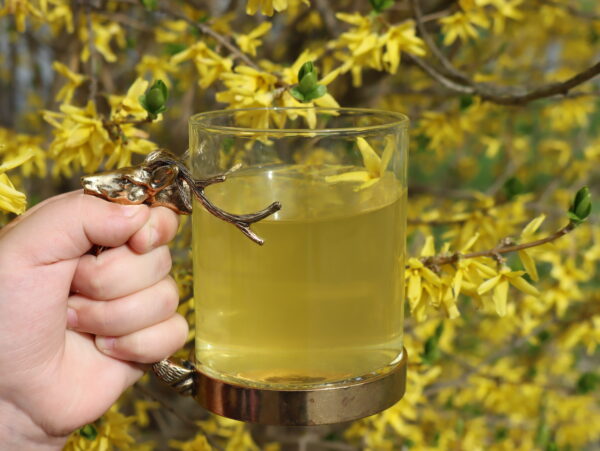
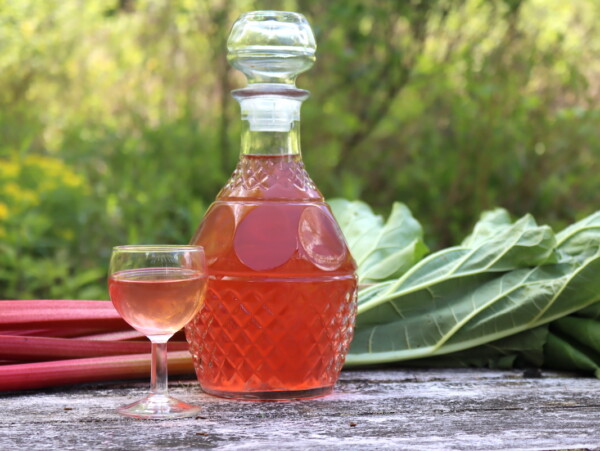
- Other fruits, same method: The sima technique works beautifully with strawberries, rhubarb, grapefruit, orange, and even foraged fruits like mayapples. If you’re substituting for the lemon entirely, add a tablespoon of lemon juice to the jar to keep the acidity high enough; otherwise the ferment can go off-balance. Fireweed flowers and blackcurrant leaves both make traditional Finnish sima variations and produce a beautiful pink color.
- Currants or cranberries instead of raisins: Any dried fruit with natural surface yeast works. Dried unsulfured currants, cranberries, and even chopped dried apricots all carry enough wild yeast to do the job. Use the same number (5 pieces, give or take) as the recipe calls for raisins.
- Sourdough starter or ginger bug: A teaspoon of active sourdough starter or a tablespoon of ginger bug works in place of commercial yeast and gives the sima a slightly more complex, tangy character. This is the version traditional Finnish brewers often used before commercial yeast was widely available.
- Longer ferment for higher alcohol: Let the room-temperature ferment go for a full 5 to 7 days instead of 24 to 48 hours, then strain and bottle. The result is closer to a true short mead at 3 to 5% ABV, dry rather than sweet, and noticeably more potent. A hydrometer (about $10) lets you measure exactly how much alcohol is in the finished drink. This is the same continuum that produces traditional herbal mead at the long end.
Serving and Cocktails
Sima is traditionally served chilled, straight from the bottle, alongside tippaleipä (Finnish funnel cakes) on Vappu.
Pour ice-cold sima into tall glasses straight from the bottle, no ice (the sima dilutes too much with ice). Serve alongside funnel cakes, donuts, or another fried sweet pastry. The contrast between the bright effervescent drink and the rich fried dough is the entire point.
For more naturally fermented drinks in the same family, see my smreka (Balkan juniper soda) and tepache (Mexican pineapple soda), plus traditional bread kvass on Practical Self Reliance. And if you’d like to round out a Vappu spread, my Finnish pancakes (Ålandspannkaka), Finnish teaspoon cookies, and Finnish salmon soup are all on the site.
Featured Review
“Hello from Finland! This year I did my sima from sourdough starter and it was even better than the original in my opinion. We make it from all kinds of things, for example rhubarb, fireweed (the color from the precious ones is a beautiful pink) and also from blackcurrant leaves. Have a nice summer!”
Sima FAQs
Sima is traditionally a children’s drink in Finland, and finished sima typically contains around 0.05 to 0.5% alcohol by volume, comparable to kombucha. The short fermentation (24 to 48 hours) doesn’t give the yeast enough time to produce significant alcohol; almost all the bubbles come from CO2 production rather than alcohol production. If you ferment longer (5 to 7 days), the alcohol content climbs and the drink is no longer suitable for children. The traditional one-day ferment is what makes sima the family drink it’s been for generations.
Almost always, the answer is that the water was too hot when the yeast went in and the yeast died. Yeast dies above 110°F, and water can feel “warm, not hot” to your hand at temperatures above that. The fix for the next batch is to use a thermometer and cool the water to between 90 and 100°F before adding yeast. For the current batch, you can rescue it by adding another small pinch of yeast (after first checking that the jar is now at room temperature); fermentation should pick up within 12 hours. If the room is unusually cold (below 65°F), the ferment can also stall just from temperature; move the jar somewhere warmer and give it another day.
Yes. The wild yeast on the skins of unsulfured raisins is enough to carry the entire fermentation; it just takes about a day longer than a yeast-inoculated batch. Honey also carries its own wild yeast, so a sima made with raw unfiltered honey and unsulfured raisins is genuinely yeast-free in the commercial sense. Sourdough starter and ginger bug also both work as substitutes for commercial yeast and add slightly more complex flavor. Nutritional yeast does not work; it’s dead yeast cells and won’t ferment.
That’s kahm yeast, a harmless wild yeast that often forms on the surface of home ferments. It’s flat, white, and looks slightly like a thin skin. It won’t make you sick and won’t ruin the batch. You can scoop it off if you’d prefer not to drink it, but it doesn’t affect the safety or flavor of the finished sima. The thing to watch out for is mold, which is fuzzy and colored (green, blue, black, or pink). If what’s on top of your sima is fuzzy or colored, throw the batch out and start over.
Don’t throw them away. The strained lemon slices are still flavorful and can be reused in a second batch of sima (the flavor will be slightly weaker but still good). They also make excellent lemon-rind cleaning vinegar: pack the slices into a jar, cover with white vinegar, and let sit for 2 weeks. Strain and use the lemon vinegar diluted 1:1 with water for cleaning surfaces. The boozy raisins can be added to baked goods or compost; they don’t have much flavor left after the ferment.
More Drinks
If you tried this Finnish Fermented Lemonade (Sima) recipe, or any other recipe on Adamant Kitchen, leave a ⭐ star rating and let me know what you think in the 📝 comments below!
And make sure you stay in touch with me by following on social media!
Sima ~ Finnish Fermented Lemonade
Ingredients
- 1/2 cup honey, or brown sugar
- 1 large Lemon, juice and grated zest, or a thinly sliced whole lemon
- 5 whole raisins, unsulfured
- 1 pinch Yeast, ideally wine yeast, but bread yeast will do
- water to fill
Instructions
- Add the lemon slices, sweetener, and raisins to a clean quart mason jar.
- Pour near-boiling water over the contents to fill within 1 inch of the top. Stir gently to dissolve the sweetener.
- Allow to cool to between 90 and 100°F. Use a thermometer for the first batch; the water can feel warm to the hand at temperatures still hot enough to kill yeast.
- Add a pinch of yeast (or skip if relying on the wild yeast from unsulfured raisins). Stir to incorporate.
- Cover with a silicone fermentation lid, an airlock, or a clean cloth secured with a rubber band. Allow to ferment at room temperature (65 to 75°F) for 24 to 48 hours, until all 5 raisins have floated to the surface.
- Strain through a fine mesh strainer and bottle in flip-top Grolsch bottles or sealed mason jars.
- Refrigerate sealed for 2 to 4 days to carbonate. Open one bottle at the 2-day mark to check; refrigerate longer if more bubbles are needed.
- Drink within 7 days for best flavor and safe pressure. Beyond a week, alcohol content rises and bottles can over-pressurize.
Notes
Nutrition
Nutrition information is automatically calculated, so should only be used as an approximation.
Find the perfect recipe
Searching for something else? Enter keywords to find the perfect recipe!
Hello Ashley!
Thank you for sharing this wonderful recipe! I used active dry yeast that I had at home and loved the taste, but not sure how that compares to wine yeast? Not even sure where I can find that…
Also, I’m using my metal top mason jar lids that came with the jars. What’s the difference with using a silicone top?
Thanks!!
Bread yeast isn’t usually recommended for fermented drinks, but if you like the flavor, that’s great! In the future, you can find champagne yeast and many others at a brewing supply store.
The silicone top is used for fermenting to release the built-up gases in your ferment. If you’re using just the metal mason jar top, you’ll need to burp your ferment daily, otherwise, it may explode from the built-up pressure.
Raisins impart flavor, sugar & even some wild yeast. I believe they are in traditional recipes for this yeast. Most wine/mead makers have started to say that raisins, don’t actually add significant consumable nitrogen(nutrition) for the yeast. So I am guessing it is just flavor and tradition as you add yeast yourself.
I have personally made carbonated yeast water from just raisins and sugar(no yeast addition) for baking. ultimate Yeast water, raisin yeast water on youtube.
Hi there and thanks for this idea. Wondering if I could use my ginger bug to inoculate the Sima instead of yeast. Seems like it would work but have to try. What are your thoughts?
I haven’t tried it, but I think it could work! Good luck!
Thank you for inspiring me! I have a few lemons looking for a home, and I’m excited to try your method. As an aside, it’s my understanding that the original purpose of the raisins is the yeast that grows naturally on them – no need to add commercial yeast to start the brew.
You’re right! I’ve learned that since writing this, I should go back and update it =)
Since the yeast is on the raisins should I wait until the water has cooled to add them? Will hot water kill the yeast?
The water should be warm, not hot.
Just wondering if you do anything with the leftover lemons? I’d hate to throw them away… I actually reused in a second batch… but they lemons still seem to be good… what can you do with them?
You likely could get a lovely second batch out of them!
I make lemon vinegar out of the rinds. I put the rinds, about half way up, in a 2-litre mason jar with water to about 3-4 cm from the top, add 1/4 cup of white sugar and cover with a cloth or coffee filter secured with an elastic band or string. Do not seal tightly. Vinegar making is an aerobic ferment. Always use non-metallic utensils for vinegar. Stir every day or so to keep the solids submerged. After a couple of weeks, feed it another 1/4 cup of sugar. After another couple of weeks it should begin to develop a nice, tart flavour. At about the 6 week mark it should be done. Test a sample that you have removed from the jar with a pH test strip. Never dip the strip right into your jar. A pH reading under 5 should be vinegar. I ferment mine to about 3.5. You can do this with any fruit. Herbs too. We make apple scrap vinegar too. We just throw all the scraps as they accumulate into a big Mason jar of sugared water in the fridge and then bring it out when we have enough to start a batch of vinegar. When the brew is finally ready to be called vinegar, strain out the solids and decant your vinegar into sterile bottles or jars. It will keep pretty much forever. The mixture will sometimes grow yeast on top. You can just stir it in or scoop it off. When I’m finished making vinegar, I whiz the solids in the blender and mix it into the compost pile. The vinegar can be used as flavouring for dressings, sauces or just a splash in a glass of water. Hair rinse, facial toner. You can make vinegar out of just about anything. Strawberry hulls and leaves make a truly fantastic vinegar.
This is magical! I love this and am going to try it this summer!! I love the idea of making my own vinegar!
So I am on my second batch of Sima, first batch turned out perfect at a half of a batch. This round I made a full batch, however i am not getting any fizz when I go to release the gas. What would cause that?
You likely need a better sealing container to store it in. And make sure you are giving it a couple days to get fizzy after staining it.
Can I use nutritional yeast for the lemonade?
I do not believe so. I think nutritional yeast is dead yeast cells, so it wouldn’t ferment. I think it’s also preserved with salt too? Anyhow, I don’t know that much about nutritional yeast, but I’m pretty sure it’s not a living yeast that can be used for culturing fermented foods.
I was wondering if we could follow these steps, but substitute strawberries (other fruits) instead of lemons? I have a bunch of rhubarb and strawberries I’d like to try, but don’t want to waste it! Thoughts? 🙂
Yes! It’d work the same, but I’d suggest adding a tiny bit of lemon juice for acidity. It’d basically be a yeast carbonated soda, just like this one, but different flavor. If you really want to get fermenting with the strawberries or rhubarb, you can try strawberry wine or rhubarb wine.
Hey!
I just want to know how much a tiny pinch of yeast is? 🤔
Less than a gram. Literally, take just a few of those tiny “grains” of yeast that come in the dried packages you keep in the fridge. When you’re making wine, 1 gram of wine yeast is the amount you use for a gallon, so this recipe uses less than my kitchen scale can measure…
What is the red lid on the quart jar? It appears to be silicone,maybe,with a nipple in the center. I am excited to stumble onto your site! I want to make everything!!
Good question! That’s a silicone fermentation lid from mason tops. It’s a one-way valve that lets the air out but not in. They’re used to make sauerkraut and homemade wine usually.
I wonder if other fruit such as berries or apples with added juice could be used in this recipe? I am going to try this recipe out! I have an autoimmune disease and my immune system goes into overdrive every so often and decides to attack my liver, so I have to be careful to avoid anything that is strong in alcohol, but things that are fine for The Children’s Table are perfect for me. I am really excited to be able to try this and share it with my family and friends.
Hi there. Yes, you can ferment all kinds of fruit in the same way and make some pretty delicious fermented drinks.
I just put my fermented lemonade in jars in the fridge for the 2-4 days. Looking forward to tasting. I am not a fan of carbonated drinks, but will give this one a try.
Glad it worked for you!