This post may contain affiliate links. Please see our disclosure policy.
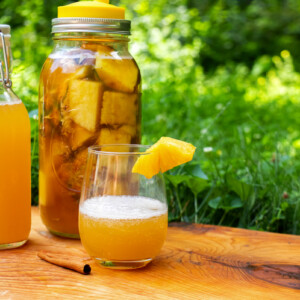
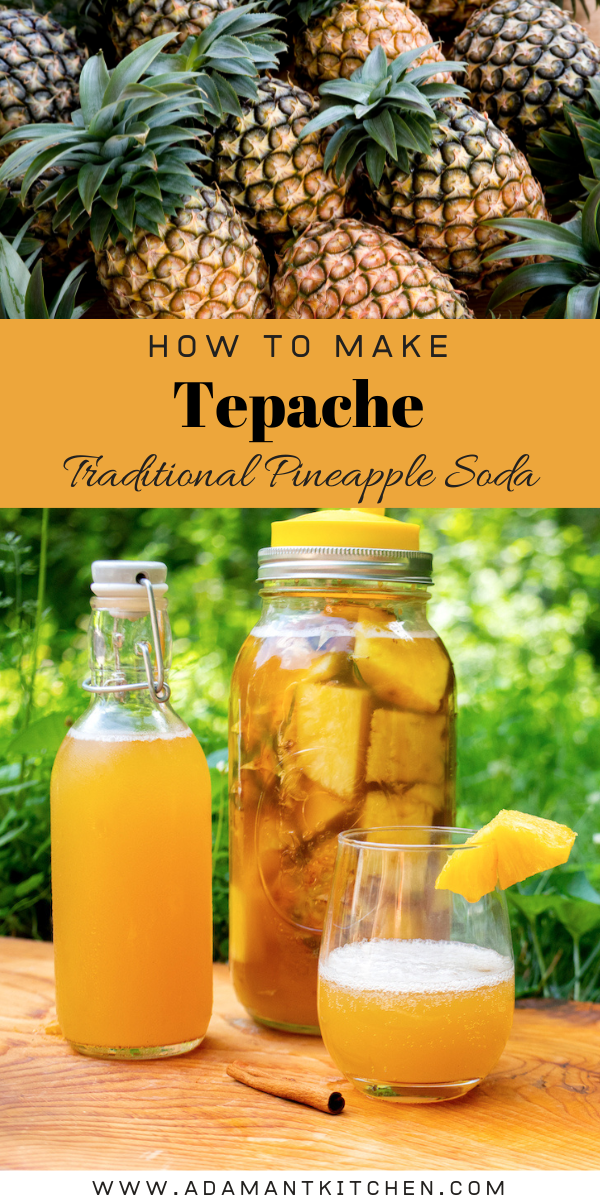
Tepache is a traditional Mexican pineapple soda, lightly sweet and gently fizzy, made from the peel and core of a single pineapple over 2 to 3 days on the counter.
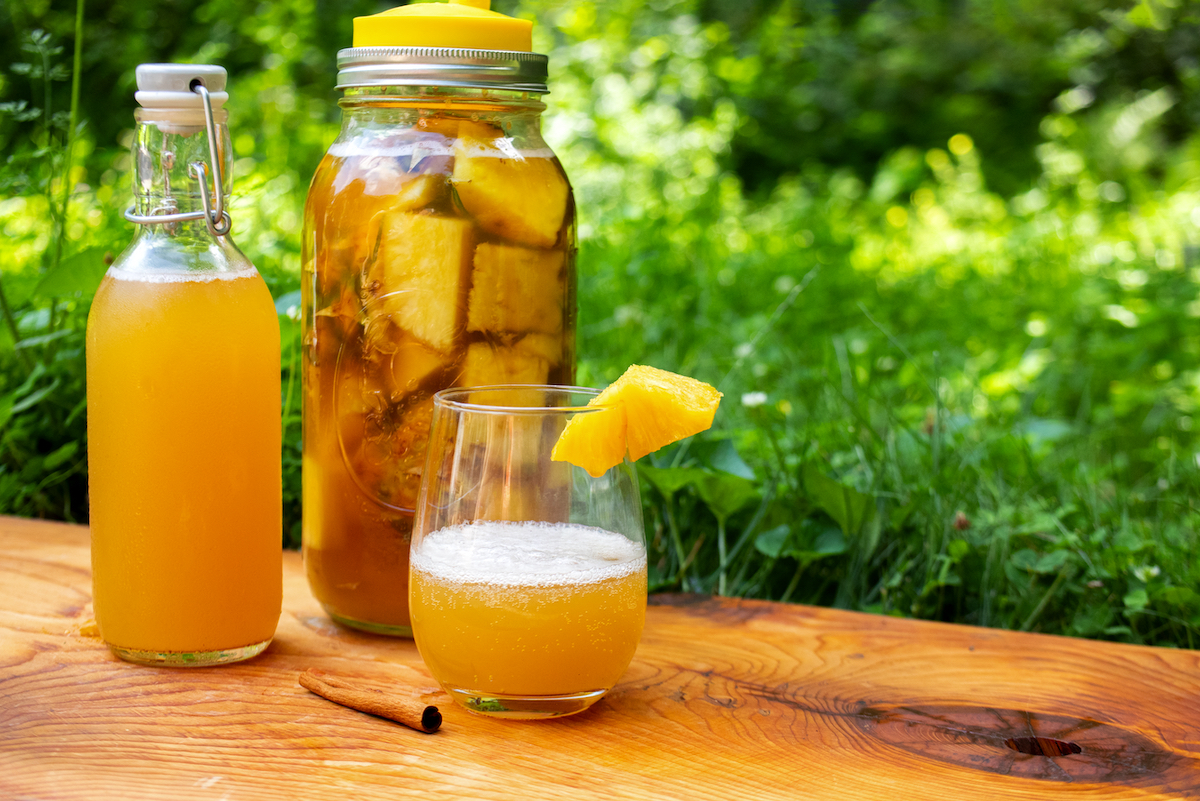
This tepache recipe takes three pantry ingredients (a pineapple, some brown sugar, and water), about 15 minutes of hands on work, and a couple of days of patience while the wild yeast on the pineapple skin does the rest. What you get back is a beautifully golden, naturally carbonated soda that is bright, lightly sweet, and refreshing over ice.
Tepache has been made in Mexico for hundreds of years as a way to use the pineapple skin and core after the fruit is eaten. Nothing is wasted, and the finished drink tastes like the best parts of pineapple concentrated and softened with a gentle fizz. It is the kind of drink families have been making at home long before “probiotic soda” became a trendy phrase.
If you have made Finnish fermented lemonade (sima) or smreka, the Balkan juniper soda, you already know the rhythm: combine the ingredients, cover loosely, wait a few days, then strain and chill. Tepache is one of the most forgiving fermented drinks out there, which makes it a perfect first project if you have never made a homemade soda before.
Why you’ll love this family favorite recipe!

I started making tepache because I hated throwing away pineapple skins, and I quickly discovered that this is one of those recipes where the “scraps” are the entire point. A single pineapple gives me a quart of golden, sparkling soda for the price of the fruit alone, and the kids will drink it faster than I can bottle it.
We pour it over ice on hot afternoons, mix it with sparkling water for an extra fizzy version, and serve it as the welcome drink at every summer cookout. It tastes like Mexico in a glass.
Quick Look at the Recipe
- Makes: About 1 quart (6 servings)
- Active prep: 15 minutes
- Ferment time: 2 to 3 days at room temperature
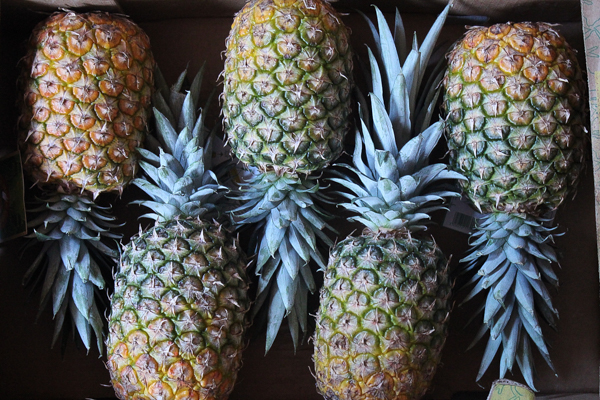
- Pineapple: 1 ripe pineapple (about 4 to 5 pounds whole), skin and core only
- Fermentation method: Wild yeast from the pineapple skin (no starter culture needed)
- Sugar: 1/2 cup piloncillo or brown sugar
- Storage: Refrigerate after straining; best flavor within 1 to 2 weeks
Ingredients for Tepache
Three ingredients plus a cinnamon stick. The recipe below makes about 1 quart of finished tepache from a single pineapple in a 1/2 gallon jar (the pineapple skin and core take up some of the volume, so a 1/2 gallon jar of starting liquid yields about a quart after straining). Optional spice additions are below.
- Pineapple (1 whole, about 4 to 5 pounds): Pick a ripe one. The wild yeast that powers the ferment lives on the skin, so wash it gently rather than scrubbing hard. You only use the skin and core for the tepache itself; the inner flesh is yours to snack on or save for another recipe (see Recipe Tips).
- Piloncillo or brown sugar (1/2 cup): Piloncillo is the traditional choice and gives tepache its signature warm, molasses-tinged flavor. Dark brown sugar is the easiest substitute and tastes nearly identical. Plain granulated sugar works too but the finished drink will taste a bit thinner. Honey can be substituted (see Variations).
- Filtered or non-chlorinated water (about 4 to 5 cups, enough to fill a 1/2 gallon jar): Tap water is fine if your municipality does not heavily chlorinate. If your tap water has a strong chlorine smell, leave it uncovered overnight before using or use filtered water; chlorine can slow down or stall the wild yeast.
- Cinnamon stick (1 whole): A traditional addition that softens the bright pineapple flavor with warm spice. The recipe is built around it; for a stronger spiced version, see Variations.
A note on the pineapple: A really ripe pineapple is the single biggest factor in good tepache. The skin should smell sweet at the base, the leaves should pull out easily, and the fruit should give slightly when pressed. An underripe pineapple makes a flat, lifeless soda; a fully ripe one ferments quickly and tastes incredible.
A note on the sugar: The sugar is what the wild yeast eats. The 1/2 cup in this recipe gives a balanced, pleasantly tart finished drink; if you’d like a sweeter tepache, you can increase up to 1 cup and the wild yeast will happily eat the extra. The fermentation actually consumes most of the sugar over 2 to 3 days, so the finished tepache is much less sweet than the starting liquid.
How to Make Tepache
The process is mostly waiting. Active time is 15 minutes at the start and another 10 minutes at the end, with 2 to 3 days of room temperature fermentation in between.
Step 1. Wash the pineapple gently. Rinse under cool water and pat dry. Do not scrub it. The wild yeast that ferments tepache lives on the skin, and aggressive washing strips the surface microbes that make the recipe work.
Step 2. Cut off the crown and trim the skin in wide strips. Slice the leafy crown off and discard. Stand the pineapple upright and cut the skin away in long vertical strips, keeping a thin layer of yellow flesh attached to each strip. Cut the cored center out of the remaining fruit. Save the inner flesh for snacking; the skin and core go into the jar.
Step 3. Add the pineapple skin, core, sugar, and cinnamon stick to a 1/2 gallon jar. A wide mouth 1/2 gallon mason jar (the standard 64 oz size) is the easiest vessel; the wide opening makes loading and straining simple. Put the pineapple skin and chopped core in first, sprinkle the sugar over the top, then add the cinnamon stick.
Step 4. Fill with water, leaving 2 inches of headspace. Pour cool water in until the jar is mostly full but with at least 2 inches of room at the top. The pineapple will float; press it down gently with a clean spoon and let it bob back up.
Step 5. Cover loosely and ferment at room temperature for 2 to 3 days. Cover the jar with a clean cloth and rubber band, or use a silicone pickle pipe if you have one. Do not seal the jar tightly; carbon dioxide builds up during fermentation and a sealed jar can build pressure. Set the jar somewhere out of direct sunlight at normal room temperature (around 68 to 75 F is ideal). Ferment for 2 days in warm weather or 3 days in cooler weather. You will see active bubbling and a foamy cap when it is ready.
Step 6. Strain. Pour the tepache through a fine mesh strainer into a clean bowl or pitcher. For a clearer finished drink, run it through a second time using cheesecloth. Discard the spent pineapple skin and core (or compost them).
Step 7. Bottle and refrigerate. Pour the strained tepache into clean bottles. Flip-top bottles hold a little extra fizz nicely, but any clean glass bottle or jar works. Refrigerate immediately. The cold stops the fermentation, locks in the carbonation, and the tepache is ready to drink as soon as it is cold.
Recipe Tips
A thin white film on the surface is normal. A pale, papery skin that forms across the top of the liquid after a day is harmless yeast (often called kahm yeast) and shows up in many wild ferments. Skim it off with a spoon before straining. Real spoilage looks different: fuzzy, raised mold in green, blue, black, or pink. If you see fuzzy colored mold, discard the batch and start over with a freshly washed jar. That’s incredibly unlikely in this short 2-3 day ferment.
Save the pineapple flesh. The inner fruit you cut away from the skin is sweet, juicy, and yours to use however you like. Eat it fresh, blend it into smoothies, freeze chunks for later, or use it in something like Thai pineapple fried rice. If you would rather use the whole fruit (skin, core, and flesh) in your tepache, see Variations below.
Never seal the jar tightly during fermentation. Carbon dioxide is the gas that gives tepache its fizz, and it builds up steadily over the 2 to 3 days on the counter. A loose cloth cover, a pickle pipe, or a screw lid set on top without tightening all let the gas escape safely. A fully sealed jar can build enough pressure to crack glass or pop the lid.
Refrigerate as soon as it is bubbly. The right time to strain and refrigerate is when you see steady bubbles rising and a light foam on top, usually 2 to 3 days. Refrigeration drops the temperature low enough that fermentation essentially stops, the carbonation is captured, and the flavor is at its brightest. If you let it ferment too long on the counter, the flavor turns sharper and more vinegary.
Use filtered water. Chlorine can slow the wild yeast or stall the ferment entirely. If your tap water has chlorine, use filtered un-chlorinated water, leave the measured water uncovered on the counter overnight before using.
Save the pineapple skin from your next pineapple too. If you eat pineapple often, keep the skins in the freezer in a zip-top bag until you have enough for a batch. Frozen pineapple skin works almost as well as fresh.
Variations
Once you have made a basic batch, the recipe takes well to changes. A few that work:
- Spiced tepache: Add 4 whole cloves and 2 or 3 allspice berries to the jar along with the cinnamon stick. This is the version most commonly served at family gatherings in central Mexico, and the warm spices deepen the flavor without overpowering the pineapple.
- Ginger tepache: Add a 2 inch piece of fresh ginger, peeled and sliced thin, with the pineapple in step 3. Strain it out at the end. The ginger adds a clean warmth that pairs beautifully with the pineapple.
- Honey tepache: Replace the brown sugar with 1/2 cup raw honey. The wild yeast on the pineapple ferments honey just as well as sugar, and the finished drink has a softer, more floral flavor. Use a darker honey for a flavor closer to the piloncillo original.
- Whole pineapple tepache: Use the entire pineapple including the flesh, chopped into 1 inch chunks. The result is sweeter and slightly cloudier, and the ferment moves a bit faster because the flesh is sugar-rich. A great option if you would rather not save the flesh for snacking.
- Tepache de jamaica (hibiscus tepache): Add 1/8th to 1/4 cup dried hibiscus flowers (jamaica) with the pineapple and sugar. The finished drink is a brilliant ruby pink, tart, and floral.
- Other fermented sodas to try next: The same wild ferment approach works for smreka (juniper soda) and Finnish fermented lemonade (sima), and is closely related to water kefir and kvass.
Ways to Serve Tepache
Once you have a chilled bottle in the fridge, the serving options are endless. A few favorites at our house:
- Classic over ice: Pour cold tepache over a tall glass of ice with a wedge of lime. The simplest and the best.
- Tepache spritzer: Half tepache, half sparkling water, served over ice. A great way to stretch a batch and crank up the fizz.
- Pineapple chile cooler: Add a pinch of chile powder and a squeeze of lime to a glass of tepache. The Mexican street stand version, salty and spicy and bright all at once.
- Tepache slushie: Blend 2 cups cold tepache with 1 cup ice and a handful of frozen pineapple chunks. Pour into a glass and drink with a thick straw.
For more refreshing summer drink ideas, see my recipes for sun tea, dandelion tea, and forsythia tea.
This is so easy! The whole family enjoyed this. I let mine ferment for 3 days before straining and bottling. Great taste and a light bubbly feel on the tongue. I used one cinnamon stick and four cloves. Thank you for the recipe.
No. Tepache relies on the wild yeast that lives on the outside of the pineapple skin to ferment, and bottled or canned pineapple juice has been pasteurized, which kills those microbes. Use a fresh, ripe pineapple for the recipe to work as written.
A thin, papery, off-white film that forms across the surface after the first day or two is kahm yeast, a harmless wild yeast that shows up in many fermented drinks. Skim it off with a spoon before straining and the tepache underneath is fine to drink. Real spoilage looks different: fuzzy, raised mold in green, blue, black, or pink. If you see fuzzy colored mold, discard the batch.
Yes. Substitute 1/2 cup raw honey for the brown sugar. The wild yeast on the pineapple ferments honey readily, and the finished tepache has a softer, more floral flavor. Use a darker honey for a flavor closer to the traditional piloncillo version.
Strained tepache keeps in the refrigerator for 1 to 2 weeks. The flavor is brightest in the first week and gradually becomes more tart over time as cold-temperature fermentation continues slowly. Bottle in glass, store cold, and open carefully since the carbonation can be lively.
A 1/2 gallon jar (about 64 oz, or 8 cups) is the right size for a single pineapple plus the water and sugar, with 2 inches of headspace at the top. A wide mouth mason jar is easiest to load and to strain. If you only have quart jars, split the recipe between two of them.
More Fermented Drinks
If you tried this Tepache Recipe, or any other recipe on Adamant Kitchen, leave a ⭐ star rating and let me know what you think in the 📝 comments below!
And make sure you stay in touch with me by following on social media!
Tepache
Ingredients
- 1/2 cup sugar, ideally piloncillo or dark brown sugar, but white sugar will work, see notes
- 1 Medium Pineapple,
Just the Peel and Core, eat the rest of the fruit, cut into 1- to 2-inch pieces
- 1 Medium cinnamon stick,
optional, and/or a few whole cloves and/or other spices
- 4 to 5 cups filtered or non-chlorinated water, enough to fill a 1/2 gallon jar with 2 inches of headspace
- 4 whole cloves, optional
- 4 whole allspice berries
Instructions
- Rinse the pineapple gently under cool water and pat dry. Do not scrub it; the wild yeast that ferments tepache lives on the skin.
- Slice off the leafy crown and discard. Stand the pineapple upright and cut the skin away in long vertical strips, keeping a thin layer of yellow flesh attached. Cut out the inner core. Reserve the inner flesh for another use.
- Add the pineapple skin and core to a 1/2 gallon (64 oz) wide mouth mason jar. Add the sugar, cinnamon stick, and any optional spices.
- Pour cool water over everything until the jar is mostly full, leaving 2 inches of headspace at the top (about 4 to 5 cups of water).
- Cover the jar loosely with a clean cloth and rubber band, or with a silicone pickle pipe. Do not seal tightly; carbon dioxide builds up during fermentation.
- Set the jar somewhere out of direct sunlight at room temperature (68 to 75 F). Ferment for 2 days in warm weather or 3 days in cooler weather, until you see steady bubbling and a light foam on top.
- Strain the tepache through a fine mesh strainer into a clean bowl. For a clearer drink, strain a second time through cheesecloth.
- Pour into clean glass bottles, leaving an inch of headspace. Refrigerate immediately to stop the fermentation and lock in the carbonation.
- Serve cold over ice. Yields about 1 quart. Best within 1 to 2 weeks.
Notes
Nutrition
Nutrition information is automatically calculated, so should only be used as an approximation.
Find the perfect recipe
Searching for something else? Enter keywords to find the perfect recipe!
So are you leaving this out on the counter to ferment or in the fridge? Never fermented anything before but would love to try this!
It needs to be on the counter. The fridge is too cold and won’t let the wee beasties do their work. Once it’s fully fermented and flavored as you like it, it goes into the fridge to stop the fermentation (or dramatically slow it down).
Great article. I made it last Wednesday, let it sit till today (Monday). ‘Foam’ / bubbles on top. Filtered out solids today but it not ‘carbonated’. Any idea what i did wrong?
To get it to carbonate, you need to seal it for 24 hours to allow the carbonation to build up.
Does the sugar keep everything from molding like salt does in other fermentation? What is the least amount of sugar that you can use? I don’t like using a lot of sugar this sounds delicious thank you!!
This is a short ferment, only 2-3 days to get bubbly. You shouldn’t have any issues with spoilage. The sugar feeds the microbes in the fermentation, and gives you a bubbly finished soda with just a bit of sweetness. It’s not too sweet.
So there’s bubbles and a light film after 24 hours. Smells ok, nothing funny looking growing on it.
Is that light film on the liquid normal?
Sometimes you get a bit of Kham yeast at the top in ferments, and that’s normal. It gives you a slight film and it’s harmless. Just make sure you keep all the solids below the water line, and you can scoop off the film if you like.
Can you use honey instead? And can you use the pineapple flesh to make this drink and eat it after the drink is done?
You can use honey, and yes, you can use the pineapple in the drink and then eat it after. Enjoy!
Would it work with pineapple juice.
Yes, you could use pineapple juice, it’d work just fine. You would need to add a pinch of yeast to get the fermentation started though, as the pineapple peels have natural yeast on them.
This is so easy. Whole family enjoyed this. I let mine ferment for 3 days before staining and bottling. Great taste and light bubbly feel to tongue. Used one cinnamon stick and four cloves. Thank you for recipe.
So glad you liked it!
This looks so good! What a fun drink to make for friends!
What size jar do you use for one pineapple?
The skins and core of one pineapple fits nicely into 1/2 gallon jar, and once strained it’ll yield about 1 quart of tepache.
Would I be able to use a larger gallon jar with more head space?
Yes, that should work fine, enjoy!