This post may contain affiliate links. Please see our disclosure policy.
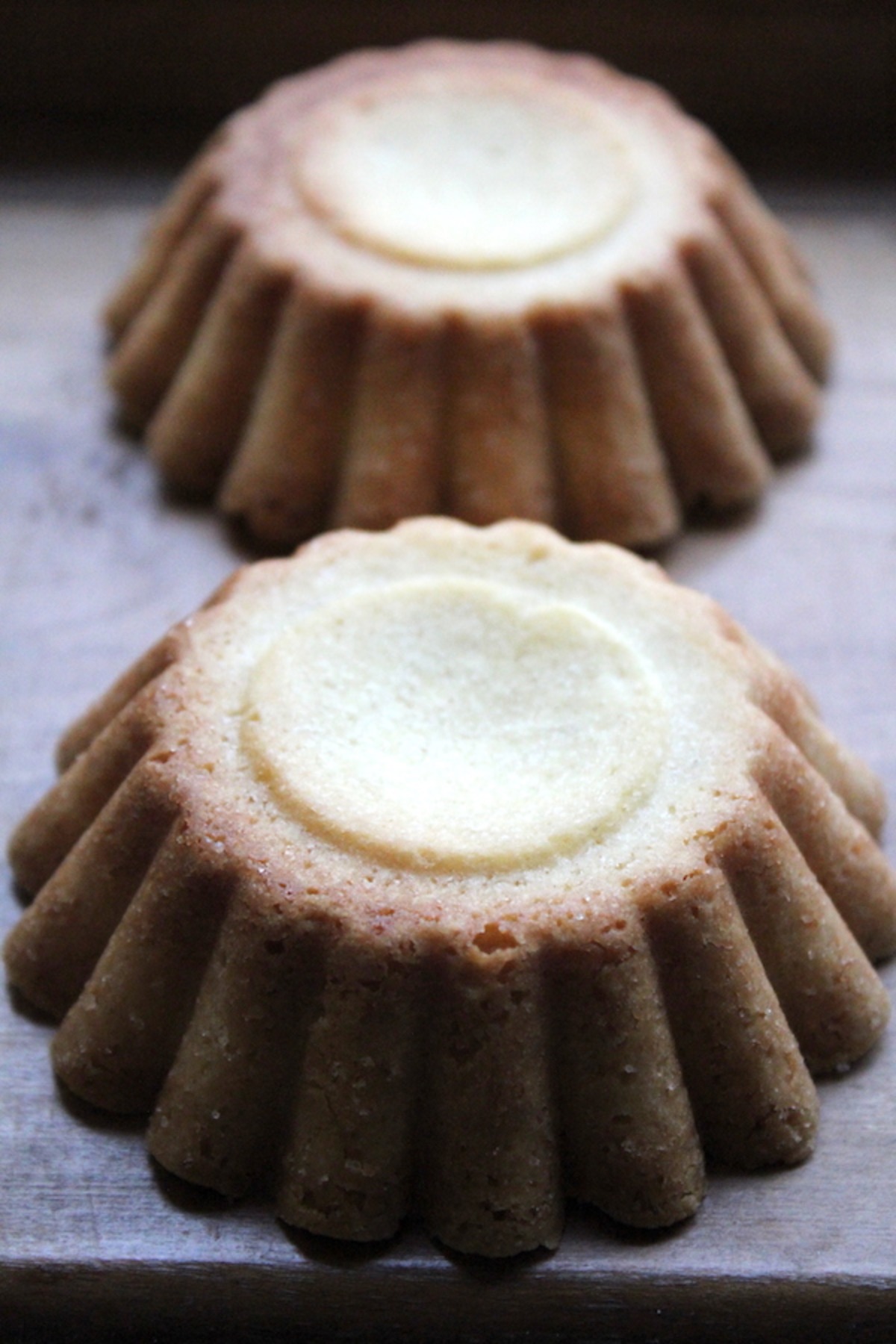
Sandbakkels are Norwegian sugar cookies pressed into fluted tins and baked into crisp, buttery little tarts. They’re a Christmas cookie in Norway, and they’re just as good plain as they are with a filling of whipped cream and berries.
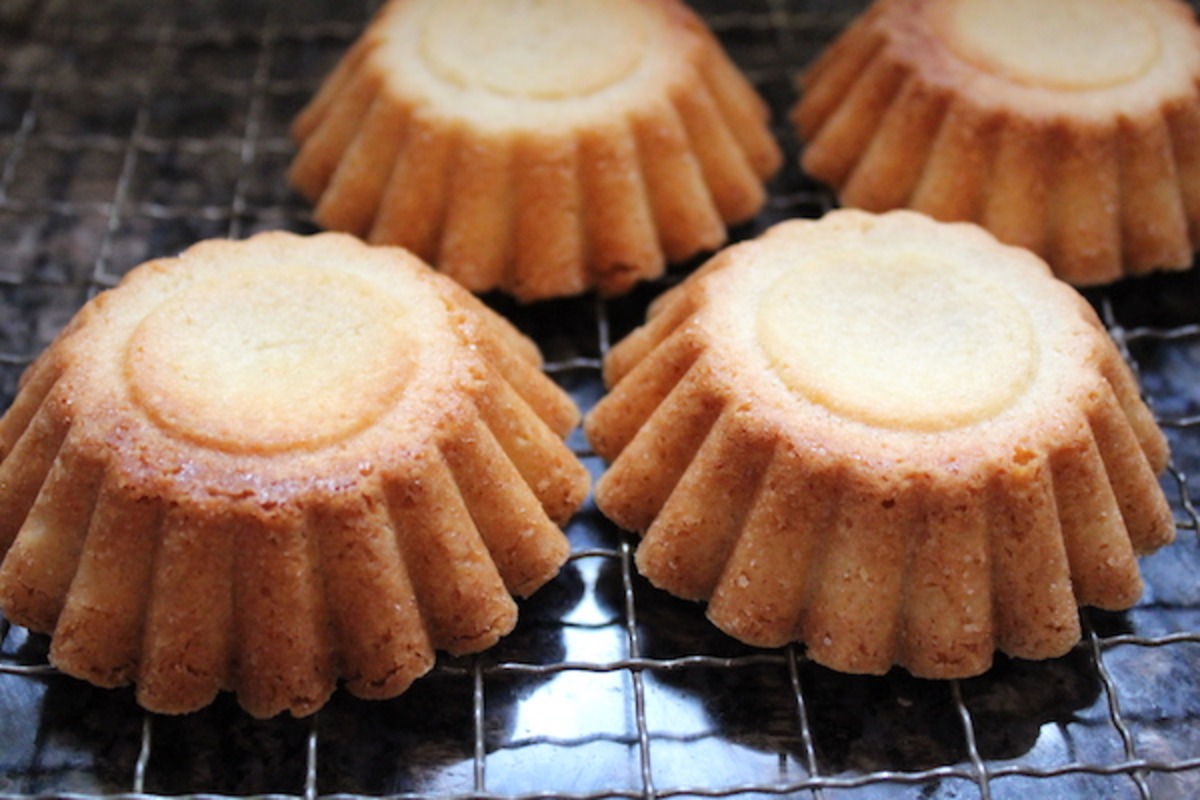
The name comes from the crumbly, sandy texture of the dough. You’ll also see them called sandbakelse, and in Norway they’re sandkaker, which means sand cookies.
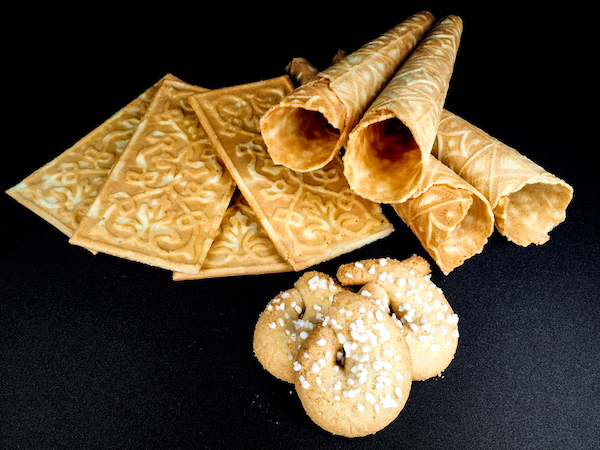
They’re one of the classic cookies on a Norwegian Christmas tray, along with krumkake and pepperkaker. Norwegian tradition calls for seven kinds of Christmas cookies, and you’ll find these and plenty of others in my 21 Norwegian Christmas cookies.
Norwegian recipes often work ground almonds into the dough. Most American versions use a little almond extract instead, which is what this recipe does, and some families make them with cardamom.
The baked cookies are crisp at the edges and tender in the middle, and they make little tart shells just begging for a filling. For more butter cookies, try Norwegian butter cookies or Danish butter cookies, and there are dozens more ideas in my 70+ Scandinavian holiday recipes.
Notes from My Kitchen

I had a Scandinavian grandmother, and I’ve been making more Nordic recipes for my kids. Sandbakkels are one of the simple ones, just butter, sugar, an egg, and flour pressed into little fluted tins.
Traditionally, Norwegians eat them plain, as little tart-shaped cookies. Practically speaking, they make excellent tart shells, and you can fill them with anything your heart desires.
Ingredients for Sandbakkels
This recipe uses a little almond extract for flavor. Vanilla or ground cardamom work too, and swapping some of the flour for almond flour gives the cookies an extra sandy texture.
- Butter: Butter is most of the flavor here, so use real butter, softened to room temperature so it creams up light. If you only have salted butter, skip the pinch of salt.
- Sugar: Plain granulated sugar. There’s no baking powder in sandbakkels, so creaming the sugar with the butter is what gives them a little lift.
- Egg: One egg, beaten, holds the dough together.
- Almond extract: A little goes a long way. Swap in vanilla extract, or ground cardamom if that’s how your family makes them.
- Flour: All-purpose flour. Spoon it into the measuring cup and level it off rather than scooping, or the dough can turn dry and crumbly.
- Salt: Just a pinch, to balance the sugar.
Yield Notes
This recipe makes about 30 to 36 cookies, but that’ll vary a bit with the size of your tins and how thick you press the dough. In 3-inch tins, each cookie takes roughly 1 1/2 tablespoons of dough, a ball a little bigger than a walnut.
Most sandbakkel tins sold today are 2 1/4 to 3 inches across. Smaller 2 1/2-inch tins take about 1 tablespoon of dough each, for closer to 50 cookies, and larger 4-inch tins take 2 1/2 to 3 tablespoons each, for around 20.
The whole batch of dough weighs about 850 grams, if you’d like to divide it by weight.
You saved my Christmas! Every year, my adult children join my husband and me on December 23 to make sandbakkels, krumkake, and spritz. I looked online, and I think this is precisely like Grandma’s!
How to Make Sandbakkels
The dough comes together in a few minutes. Most of the time goes into pressing it into the tins, and with one set of tins you’ll bake in rounds while you press the next batch.
Plan on 30 to 45 minutes of hands-on time for a full batch, plus the baking.
Prep the Tins
Sandbakkel tins come in simple fluted rounds and fancier decorative shapes. I’ve only used the fluted ones in these photos, and either way you press the dough in to make a little cup.
Heat the oven to 375°F. This dough is buttery enough that well-seasoned old tins usually don’t need greasing.
If your sandbakkel tins are new, or the cookies have stuck before, brush them lightly with melted butter. Set the tins on a rimmed baking sheet, which makes them much easier to move in and out of the oven.
Cream the Butter and Sugar
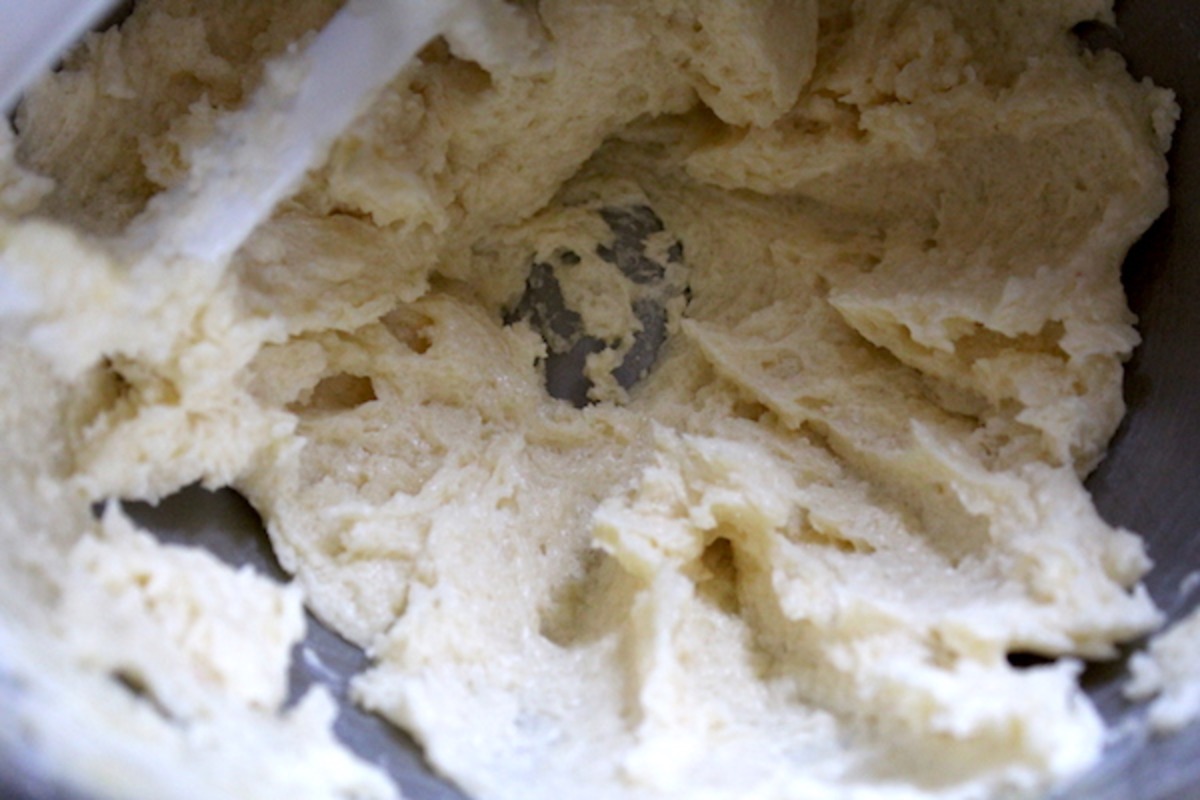
Beat the softened butter and sugar together in a stand mixer until light and fluffy, 2 to 3 minutes.
Don’t rush this step. The air you beat in here is the only lift these cookies get.
Mix the Dough
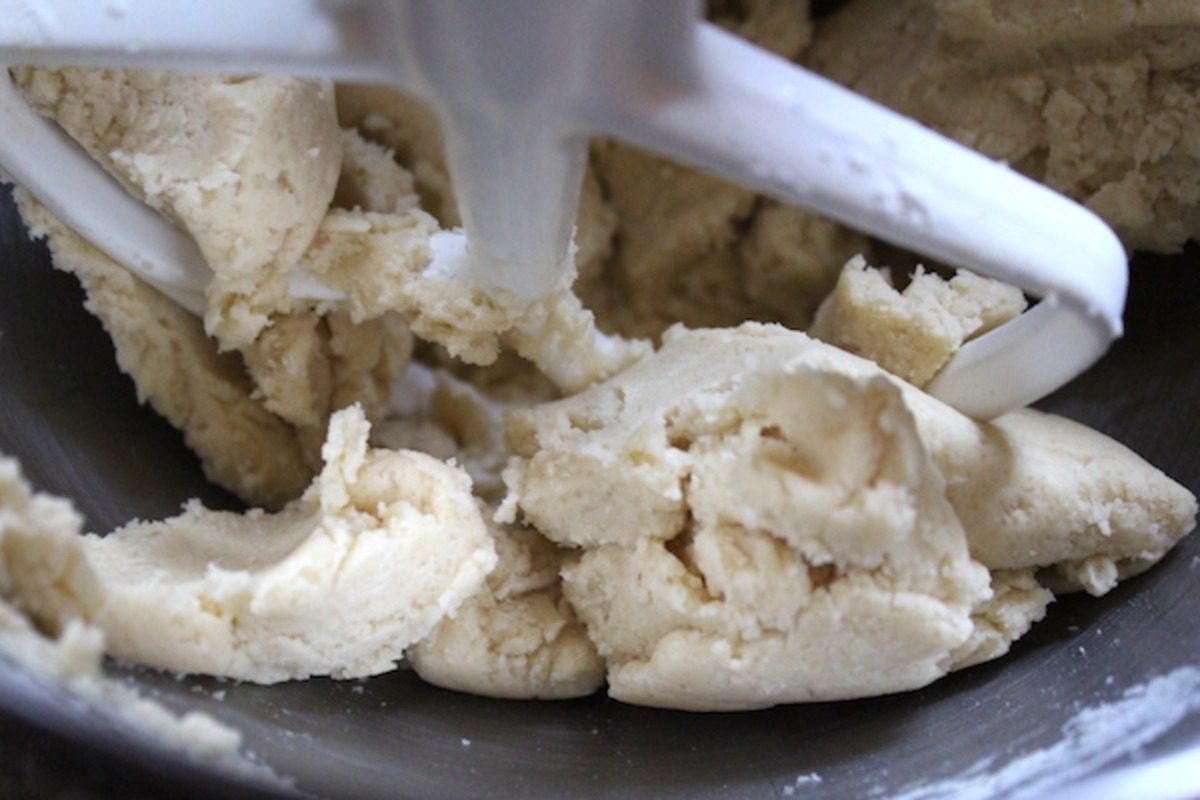
Add the egg and almond extract and mix until combined. Then add the flour and salt, and mix on low just until the dough comes together.
The dough should be soft and smooth. If it’s too sticky to roll into balls, chill it for 15 to 20 minutes.
Shape the Dough Balls
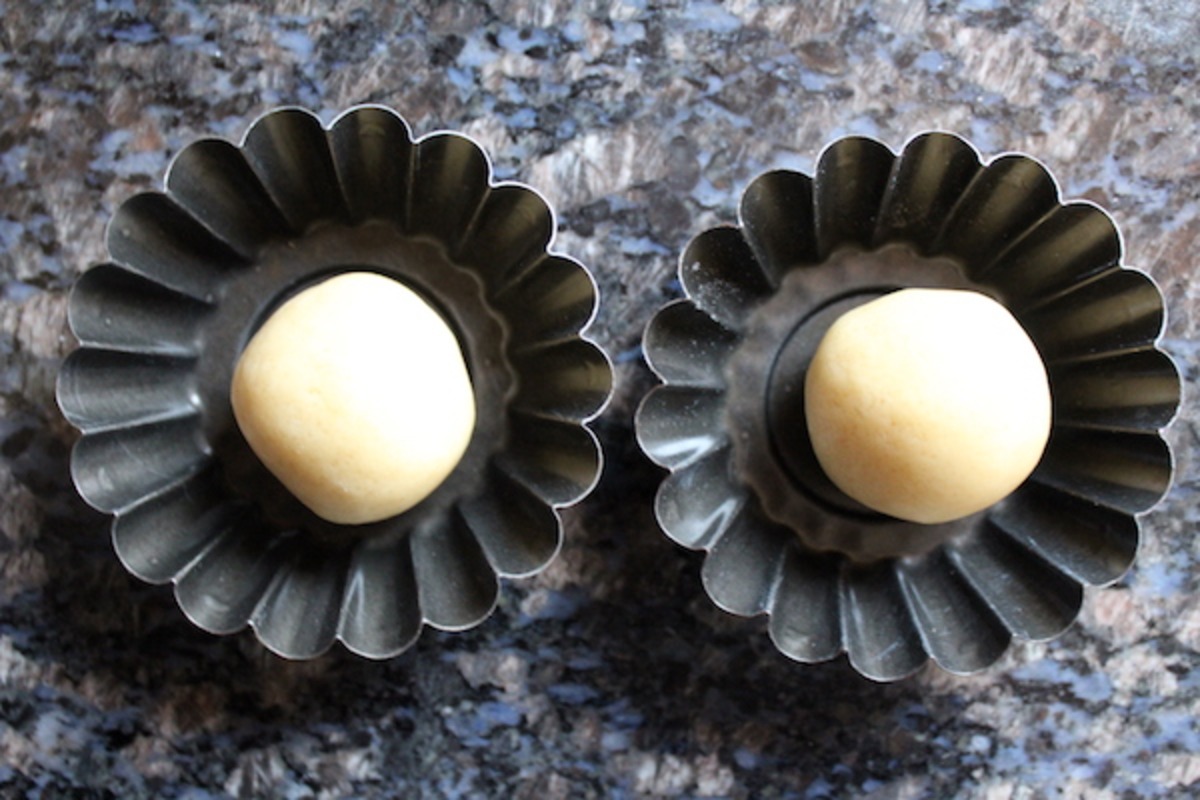
Roll the dough into balls sized to your tins. A small cookie scoop keeps them even, and the Yield Notes above give the amount for each tin size.
Set one ball in the center of each tin.
Press the Dough into the Tins
Press the dough into the bottom of the tin with your thumb, then work it up the sides in a thin, even layer.
Keep it below the rim. Dough that spills over the edge bakes onto the tin and makes the cookie hard to get out.
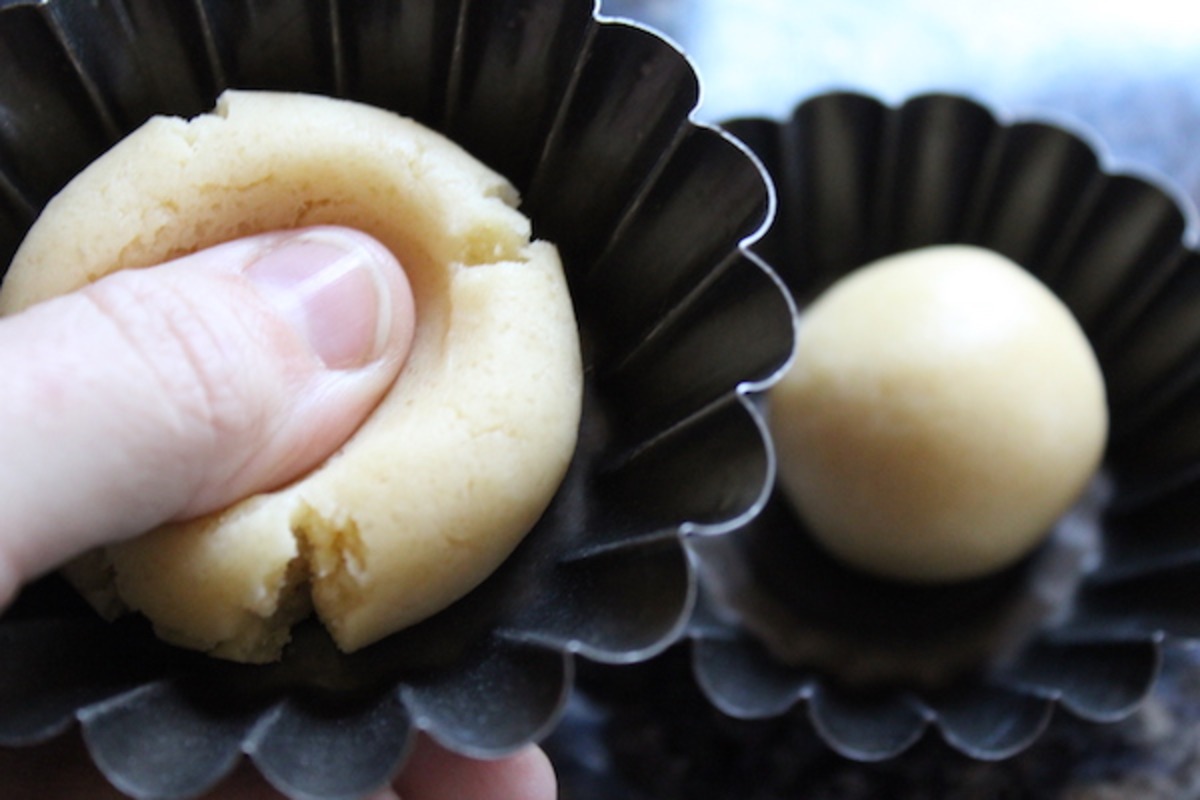
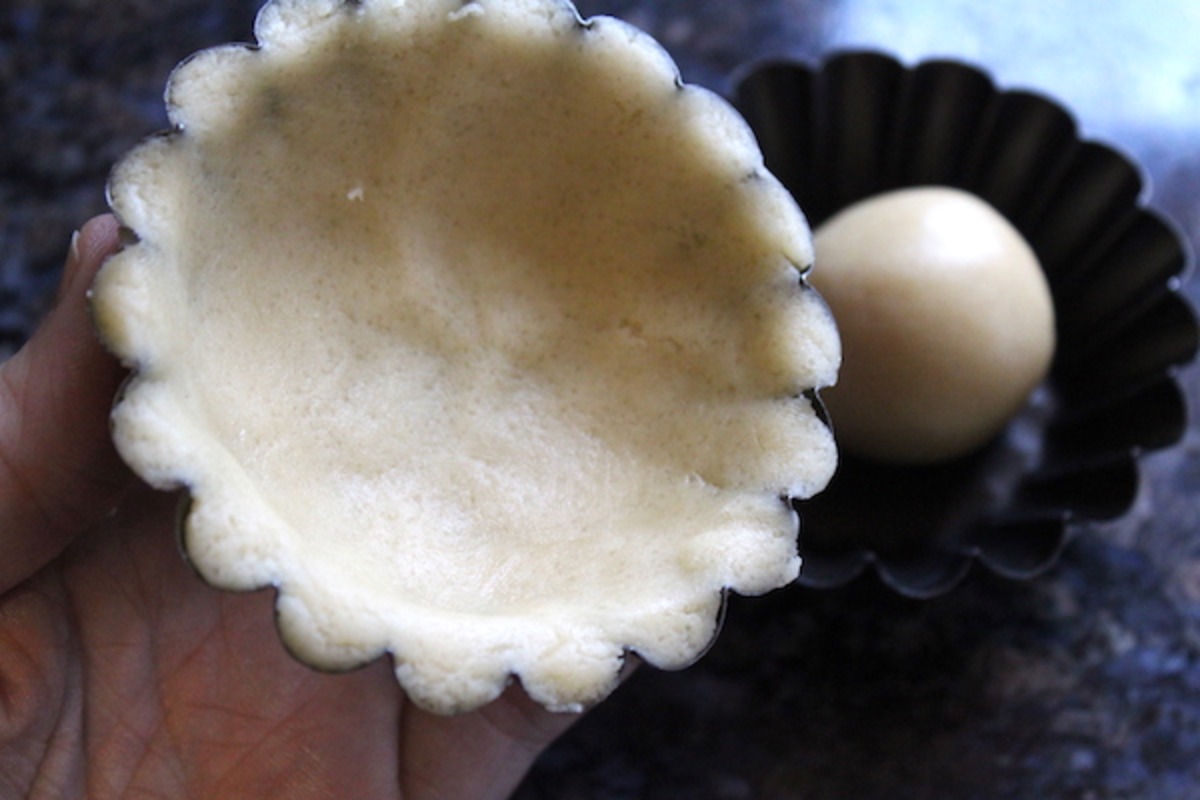
Try to keep the layer even all the way around. Thick spots stay soft and take longer to brown, and very thin spots can break when you unmold the cookies.
Work around the tin, pressing out any thick spots and patching any thin ones with a little extra dough.
Bake the Sandbakkels
Bake for 12 to 15 minutes, until the edges are golden brown. Small tins and thin cookies can finish closer to 10 minutes, so check the first round early.
Every oven bakes a little differently, so let the first round set your timing for the rest.
Unmold and Cool
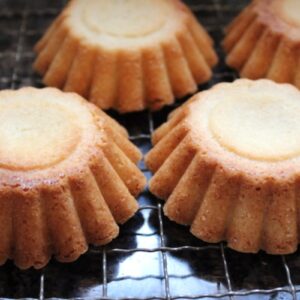
I let the cookies cool in the tins for a minute or two, then flip each tin over and give it a gentle tap on the counter. Mine pop right out.
If one holds on, squeeze the sides of the tin gently. Let the cookies cool completely on a wire cooling rack before you fill or store them.
Tips for the Best Sandbakkels
Keep the tins dry. Many bakers just wipe their tins out with a paper towel instead of washing them, which keeps them seasoned so the cookies release easily. If you do wash them, dry them completely in a warm oven so they don’t rust.
Chill the dough on a warm day. Soft, warm dough smears instead of pressing cleanly. Twenty minutes in the fridge makes it much easier to work.
Make the dough ahead. I’d guess the dough keeps 3 to 5 days in the fridge without an issue. Let it come back to room temperature so it’s pliable before you press it into the tins.
Press the next round while the first one bakes. With a second set of tins, or a few extra, you can keep the oven going and finish a full batch much faster.
Filling and Serving Sandbakkels
In Norway, people often serve sandkaker plain with coffee, or fill them with whipped cream and berries. Vanilla custard and cloudberry cream work well too, and one reader’s mom filled them with cherry pie filling and whipped cream.
Fill them just before serving, so the cookies stay crisp. Unfilled sandbakkels keep well in an airtight tin at room temperature, so you can bake them days ahead of a holiday.
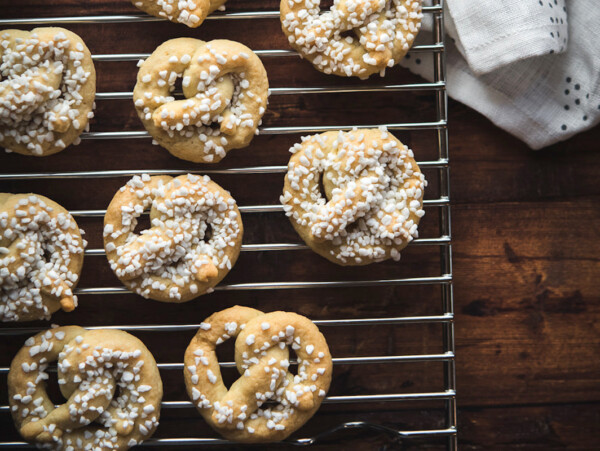
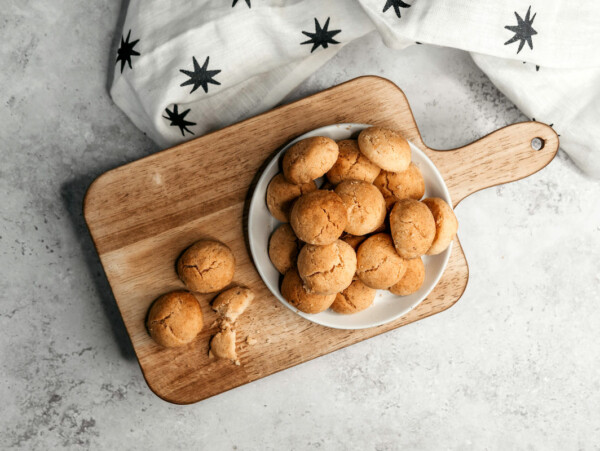
They go well on a Christmas cookie tray alongside Norwegian gingerbread, berlinerkranser, and drømmer. For more holiday baking ideas, browse my 50+ Christmas cookies from around the world or these Danish Christmas cookies.
Sandbakkels FAQs
Most reader questions on this recipe are about the tins, so that’s where most of these answers go.
About 30 to 36 in 3-inch tins, with roughly 1 1/2 tablespoons of dough in each. Smaller 2 1/2-inch tins give you closer to 50 cookies, and 4-inch tins around 20.
Set them on a rimmed baking sheet. It’s much easier to get a dozen little tins in and out of the oven that way, and they bake just the same.
Well-seasoned old tins often don’t need it, since this dough is so buttery. New tins release better with a light brush of melted butter.
Light surface rust usually scrubs off with steel wool and warm water. Wash the tin, dry it completely, and wipe on a thin coat of oil. If the rust won’t come off, or the tin has pits or flaking metal, keep it as an heirloom and bake in new tins. Replace nonstick tins at the first sign of rust.
Yes. I’d guess the dough keeps 3 to 5 days in the fridge without an issue. Let it come back to room temperature so it’s pliable before you press it into the tins. Baked sandbakkels also do well made ahead and stored in an airtight tin.
More Scandinavian Christmas Cookies
More butter cookies from Denmark and Sweden for the holiday tray.


If you tried this Sandbakkels (Norwegian Sugar Cookies) recipe, or any other recipe on Adamant Kitchen, leave a ⭐ star rating and let me know what you think in the 📝 comments below!
And make sure you stay in touch with me by following on social media!
Sandbakkels (Norwegian Sugar Cookies)
Equipment
- Rimmed Baking Sheet
Ingredients
- 1 cup butter, softened
- 1 cup sugar
- 1 large egg, beaten
- 1/4 tsp almond extract
- 3 cups all-purpose flour, spooned and leveled
- 1 pinch salt
- 1 tbsp butter, melted, optional, for brushing new tins
Instructions
- Heat the oven to 375°F. If your tins are new or the cookies have stuck before, brush them lightly with melted butter, then set the tins on a rimmed baking sheet.
- Beat the softened butter and sugar together until light and fluffy, 2 to 3 minutes.
- Mix in the egg and almond extract, then add the flour and salt and mix on low just until a soft dough comes together. If it’s too sticky to roll, chill it for 15 to 20 minutes.
- Roll the dough into balls sized to your tins (see notes), and set one in the center of each tin.
- Press the dough into the bottom of each tin with your thumb, then work it up the sides in a thin, even layer that stays below the rim.
- Bake for 12 to 15 minutes, until the edges are golden brown.
- Cool the cookies in the tins for a minute or two, then flip each tin over and tap it gently on the counter to release the cookie. Cool completely on a wire rack before filling or storing.
Notes
Nutrition
Nutrition information is automatically calculated, so should only be used as an approximation.
More Christmas Baking
More holiday cookie ideas from Norway and beyond.


Find the perfect recipe
Searching for something else? Enter keywords to find the perfect recipe!
Hello! Can the dough be made ahead of time and refrigerated, or should it be made just before baking? If so, how far in advance do you recommend?
Thanks!
You could definitely make this in advance and refrigerate it. You may need to let the dough come back to room temperature so it’s pliable before you shape it into the tins though. I would guess that you could make 3 to 5 days in advance without an issue. (They also do well baked in advance and stored in an air-tight tin.)
The recipes sound delicious 😋
Thank you!
I had some and shared the tins that were given away by mistake. They belonged to my Grandmother. I was able to find some on Amazon.
Love reading these comments, My sister and I were just messaging about the difficulty of getting them out of the tin! I just bought some nonstick tins from a shop called Uffda in Redwing Minnesota. We’ll see!
I have had these flutes molds for some time and never used them. Decided to bake cookies from around the world this Christmas so I’m going to give them a try and use the cardamom as suggested. If filled, what would go with cardamom? I’ve never used that either!
Yes, Cardamom!!!
I just now finished a batch using tins I have had for over 60 years – three different shapes: the traditional tart, a heart shape, and a star shape, five of each. My ancestors and wife’s ancestors came from Norway, my grandmother when she was 17. She made them all the time and every time we visited that is the first thing we asked for. I have made them with vanilla, my kids favorite; almond extract, my favorite; but never tried cardamom. I will try that next time. I make a “Norwegian” white bread with cardamom and it is great.
The recipe on a “Made in Sweden” box of tartlet tins calls for 1 cup of raw, peeled almond, ground plus “bittermandlar.” or bitter almond. We’ve always used a few drops of almond extract. Butter those tart tins so the cookie comes out!
These were great! My not particularly baking savvy kids mixed these and molded these all on their own once frying rosettes proved more of a distraction than I planned (apparently I’m not so baking savvy either). Ours came out of our brand new Norpro tins well (except the smallest rounds which were tricky), we just inverted the tins and gave them a little squeeze and popped the cookie out. Thanks for the recipe!