This post may contain affiliate links. Please see our disclosure policy.
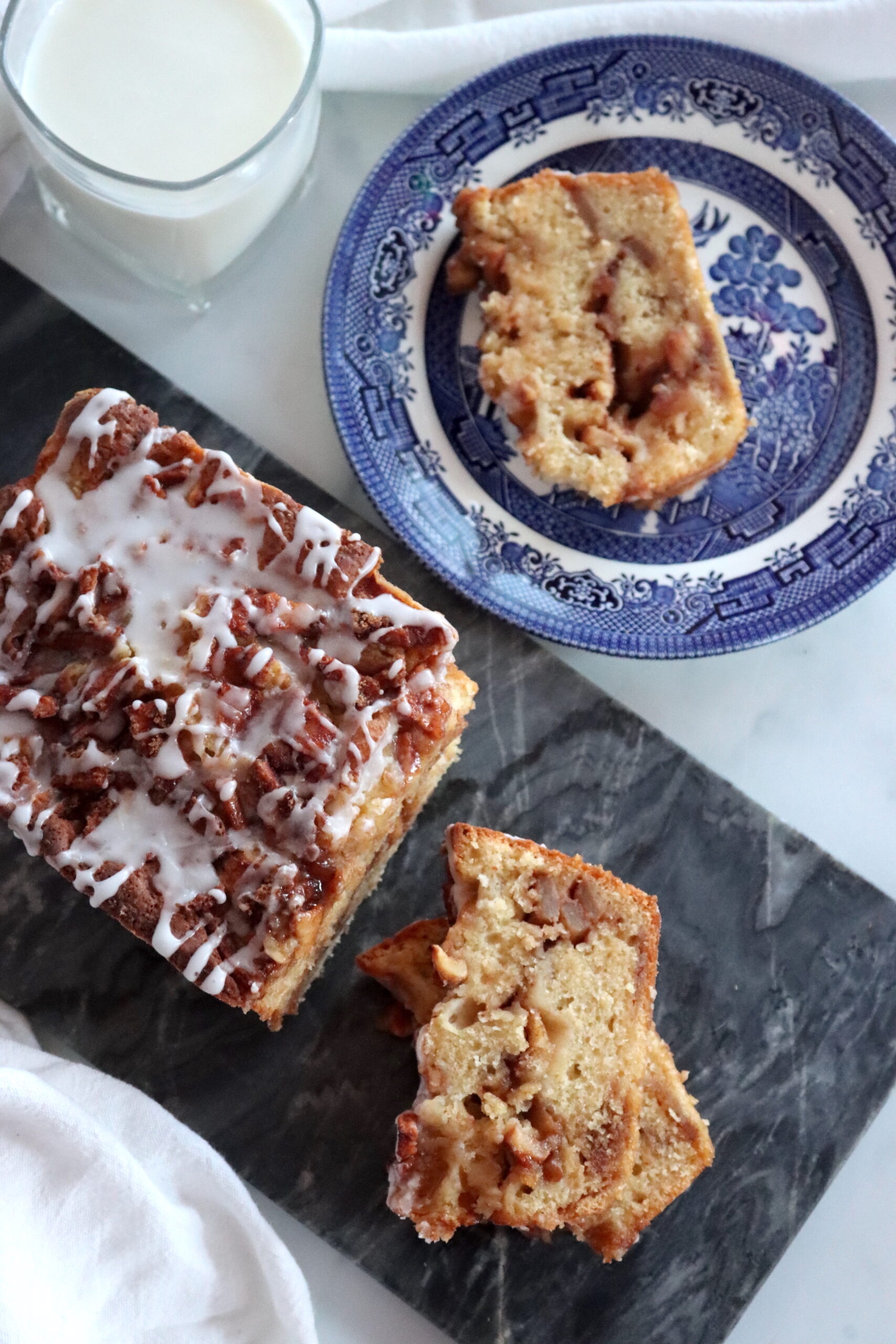
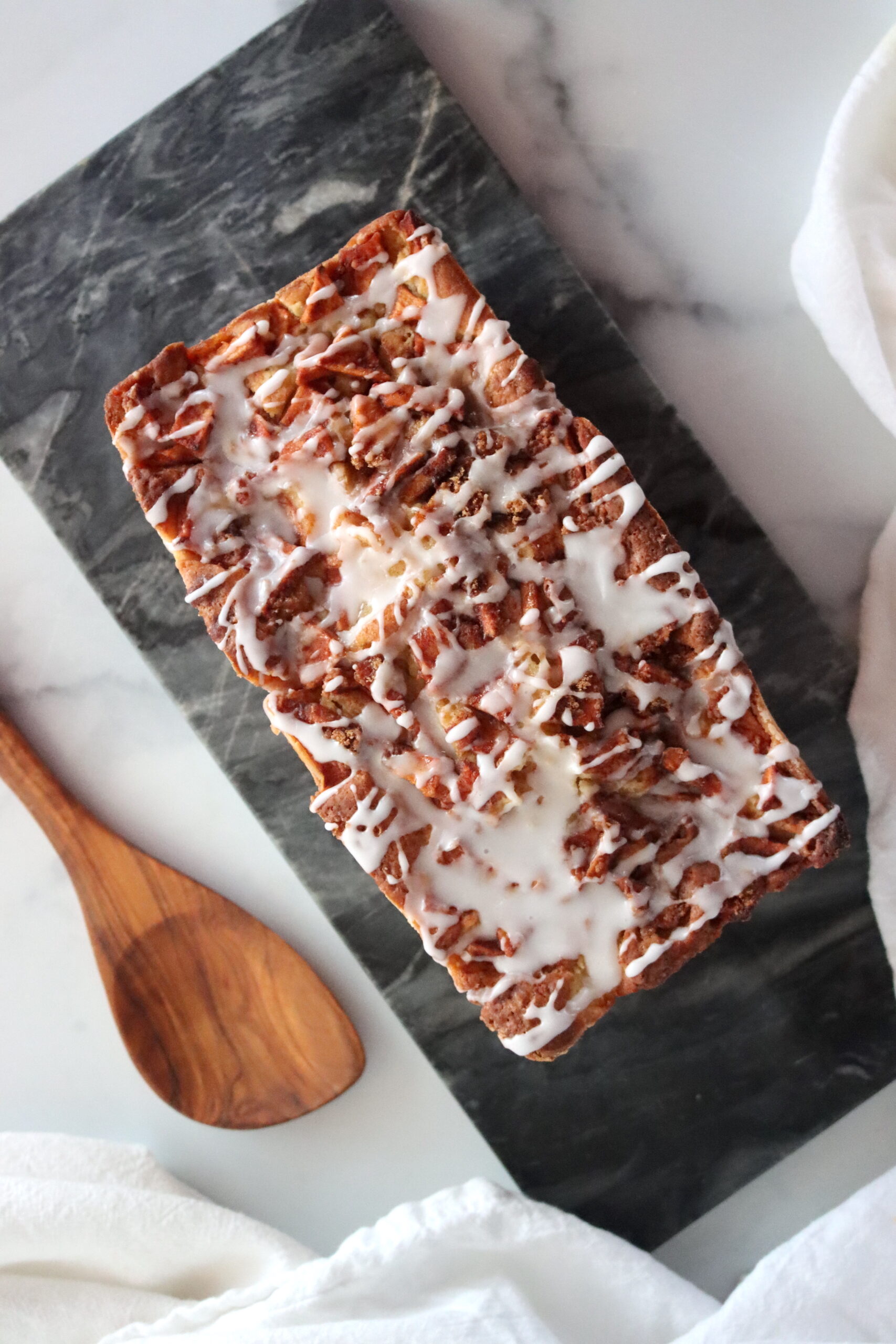
Sourdough apple fritter bread layers cinnamon apples through a buttery discard quick bread, then finishes it with a vanilla glaze that sets into a thin sweet shell.
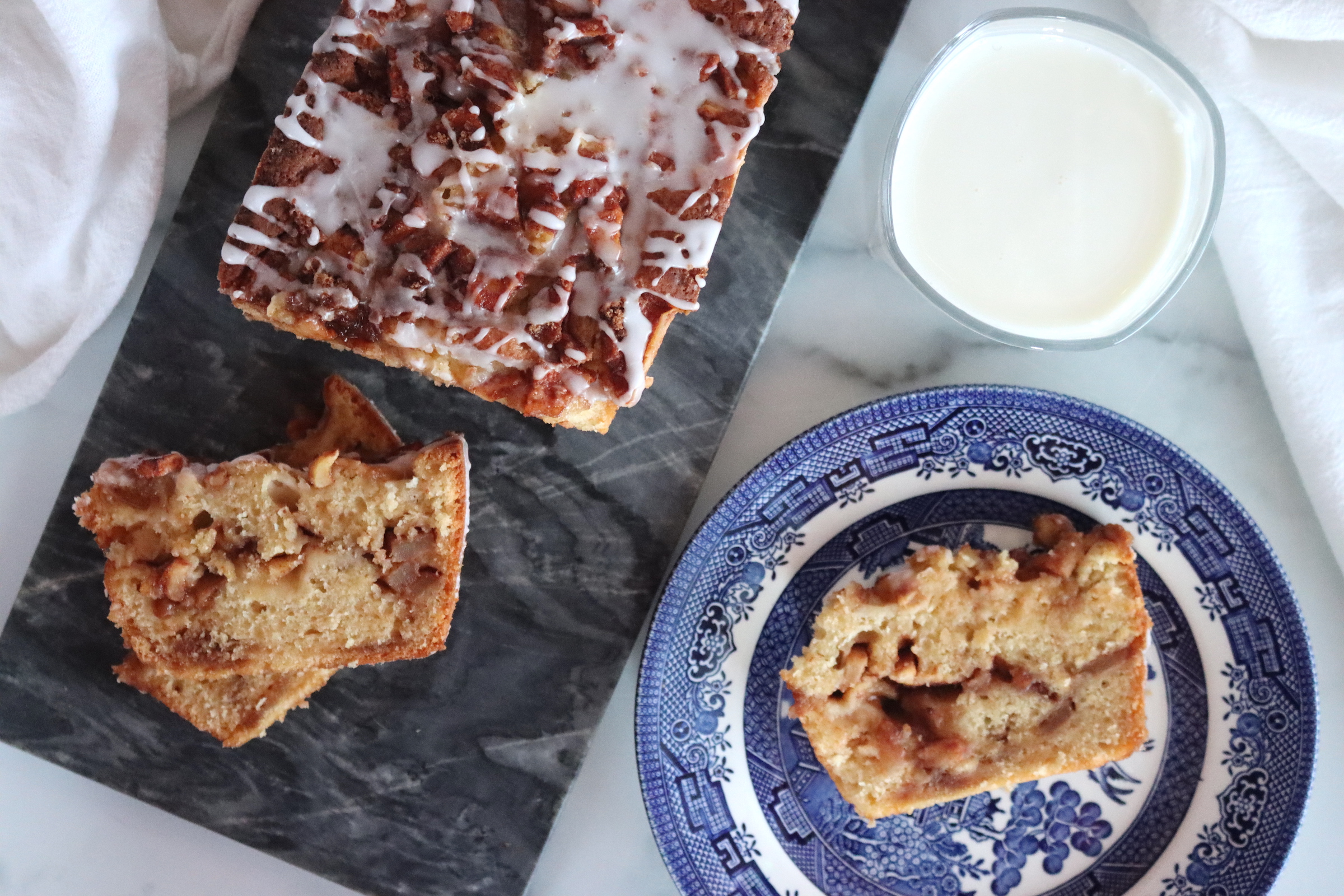
Table of Contents
- Notes from My Kitchen
- Ingredients for sourdough apple fritter bread
- How to make sourdough apple fritter bread
- Resting the batter overnight
- Tips for the best sourdough apple fritter bread
- Variations
- Serving sourdough apple fritter bread
- Sourdough apple fritter bread FAQs
- More sourdough recipes
- Sourdough Apple Fritter Bread Recipe
- More breakfast recipes
This is a quick bread, not a yeast bread, so there is no kneading and no proofing. You stir a thick batter, layer it into a loaf pan with diced cinnamon apples twice over, and bake it for about an hour. The apples go in at two levels rather than one, which is the whole trick: every slice gets fruit near the top and again through the middle instead of a single fault line of apple in the center.
A full cup of sourdough discard goes into a batter built on only 1 1/2 cups of flour, which is a high proportion and the reason this loaf tastes like something more interesting than cinnamon and sugar. The discard brings acidity that cuts the sweetness, and it keeps the crumb moist for days in a way that a straight apple quick bread does not manage.
You can bake it the same hour you mix it, or rest the batter overnight for a deeper, tangier loaf. Both versions are below, with one small change to the mixing order for the overnight one. Full amounts are in the recipe card, and if your discard jar is overflowing, my collection of 100+ sourdough recipes has somewhere for the rest of it to go.
Notes from My Kitchen

The first time I made this I used McIntosh, because that is what was in the box on the porch in October, and the apples dissolved. What came out was a good loaf with a wet cinnamon stripe running through it instead of tender chunks. It was not a failure exactly, but it was not apple fritter bread either. Now I use a firm apple that holds its shape, and I cut the dice smaller than feels right, closer to 1/4 inch, because a big chunk of apple leaves a hollow behind it as it shrinks.
The other thing I would tell a first-time baker is to tent it with foil sooner than you think. The topping is mostly brown sugar, and brown sugar goes dark fast. My loaf looked done at 45 minutes and was raw in the middle. Foil at the 40 minute mark, then bake it all the way out.
Ingredients for sourdough apple fritter bread
The recipe breaks into four short lists: the batter, the cinnamon apples, the topping, and the glaze. Nothing here is unusual, and the only equipment that matters is a 9 by 5 inch loaf pan. Exact amounts are in the recipe card at the bottom of the post.
- All-purpose flour: There is less flour here than in most quick breads, because the discard is carrying part of the load. Spoon it into the cup and level it off rather than scooping, since an overpacked cup turns an already thick batter into paste. I use King Arthur unbleached all-purpose flour.
- Brown sugar and white sugar: Both go into the batter. The brown sugar brings molasses depth and keeps the crumb soft, and the white sugar keeps it from going heavy. Brown sugar also does all the work in the topping.
- Baking powder: The only leavening in the loaf. Check that yours is fresh, because there is not much of it and a tired tin will give you a squat, dense bread.
- Salt: Keeps a very sweet loaf from tasting one-note and sharpens the cinnamon. If you use salted butter, cut the added salt in half.
- Sourdough discard: A full cup, which is a lot for this much flour and exactly why the loaf tastes the way it does. Straight from the fridge is fine. Older, more sour discard gives a tangier bread.
- Eggs: Two, for structure and richness. They are what hold a batter this heavy with fruit together. Room temperature blends in more smoothly with the melted butter.
- Unsalted butter: Melted, and used generously. It is the reason the crumb reads as buttery rather than plain. Let it cool for a minute before it meets the eggs.
- Vanilla extract: In the batter and again in the glaze. In a loaf this simple it is a headline flavor.
- Apples: Peeled and diced small. Variety matters more than any other choice in this recipe; see the note below.
- Ground cinnamon: In the apples and in the topping both. This is a cinnamon-forward bread, so use a jar you opened recently rather than the one at the back of the cupboard.
- Powdered sugar and milk: For the glaze, thinned to a drizzle. Any milk works, and cream makes it slightly opaque and richer.
Choosing the apples: Use a firm, tart apple that holds its shape when baked. Granny Smith, Braeburn, Northern Spy, Honeycrisp, and most crabapple varieties all work. Avoid McIntosh, Cortland, and other soft eating apples, which collapse into sauce inside the loaf and leave you with a wet cinnamon layer rather than distinct pieces of fruit. Peel them; the skins go leathery in a batter this wet. Dice to about 1/4 inch, which is smaller than most recipes suggest and makes a real difference to how the finished slice holds together. An apple peeler corer takes the tedium out of it if you bake with apples often. If you are working through a bag of small tart fruit, my crabapple recipes collection has more places to use them.
Discard versus active starter: Either one works and neither needs an adjustment. Discard is more acidic and gives a tangier loaf, which is the point here. A freshly fed active starter is milder and adds a little lift, though the baking powder is still doing the real leavening. This recipe assumes a 100 percent hydration starter, meaning equal weights of flour and water. If yours is stiffer, add a tablespoon or two of milk to loosen the batter enough to spread.
If you are still building a starter, my whole wheat sourdough starter guide covers it, and beginner sourdough loaf bread is the first thing to bake once it is active.
How to make sourdough apple fritter bread
The batter takes about ten minutes. The layering takes another ten. Then it is an hour in the oven and a long, patient cool, because this loaf slices badly while it is warm and beautifully once it has set.
Step 1. Heat the oven and prepare the pan. Set the oven to 350°F (175°C). Butter a 9 by 5 inch loaf pan generously, getting into the corners, then dust it with flour. Parchment works too, and it makes the loaf easy to lift out in one piece if you are giving it away.
Step 2. Melt the butter and set it aside. Melt it gently in a small saucepan or in the microwave, then let it cool for a minute or two so it does not cook the eggs when they meet.
Step 3. Whisk the dry ingredients. In a large bowl, whisk the flour, both sugars, the baking powder, and the salt together, then push a well into the center. Whisking now means less stirring later, which matters in a batter that goes tough if you work it.
Step 4. Combine the wet ingredients. In a second bowl, stir the sourdough discard, eggs, vanilla, and melted butter until smooth. There is no milk in this batter; the discard supplies all the liquid it needs.
Step 5. Mix, and stop early. Pour the wet mixture into the well and fold with a silicone spatula just until no dry flour remains. The batter will be thick, closer to a soft dough than a pourable batter, and that is correct. A few lumps are fine. Overmixing here is the difference between tender and rubbery.
Step 6. Toss the apples with cinnamon sugar. Peel and dice the apples to about 1/4 inch, then toss them in a small bowl with the sugar and cinnamon until every piece is coated. Do this close to assembly time so they do not sit and weep.
Step 7. Mix the topping. Stir the brown sugar and cinnamon together in a small bowl. There is no butter or flour in it, so it is a cinnamon sugar rather than a true streusel. It melts into a thin crackly layer on top and between the apple layers instead of staying crumbly.
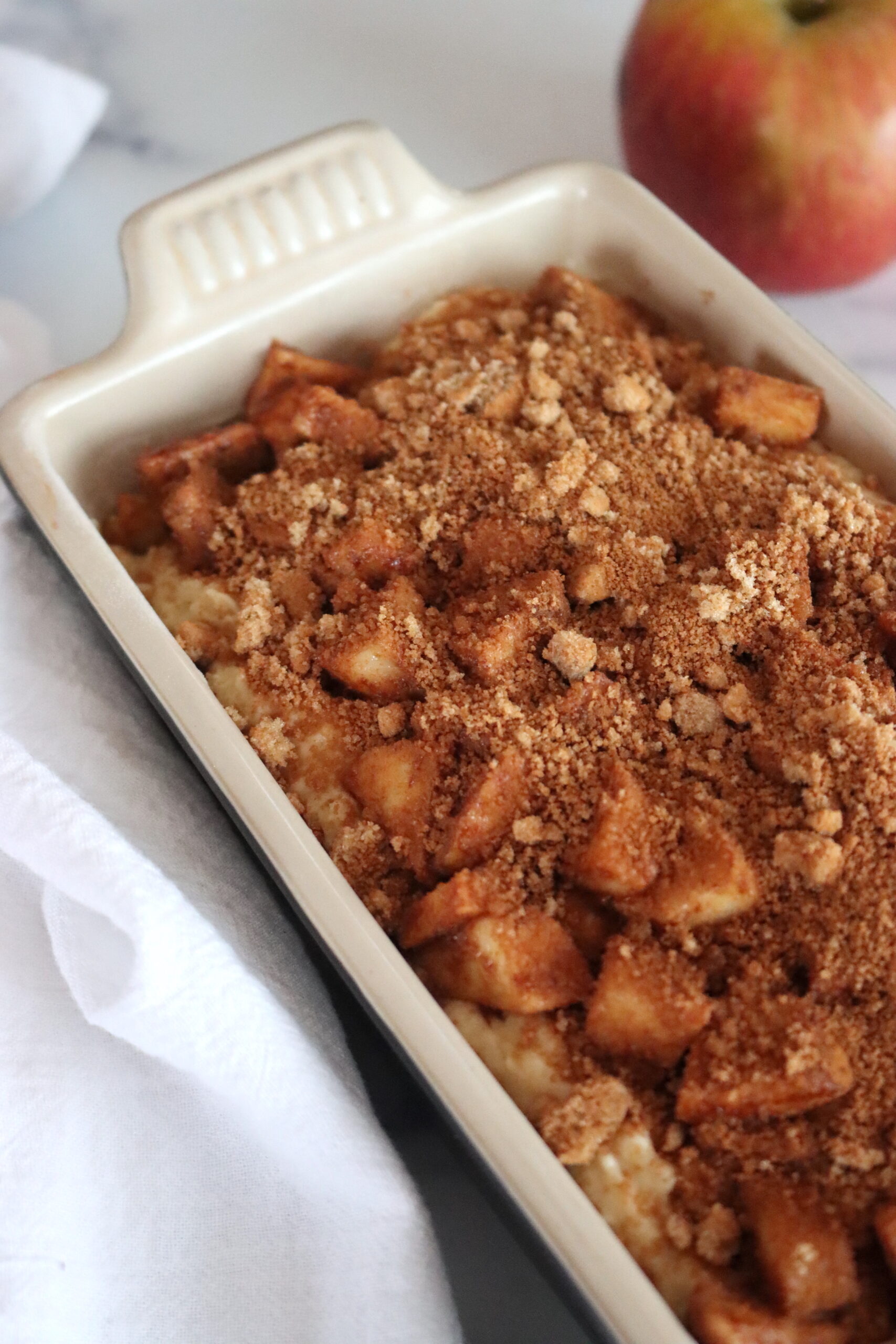
Step 8. Build the first layer. Spread half the batter into the bottom of the pan and level it. Scatter half the apples over it, pressing them lightly down into the batter, then sprinkle half the cinnamon sugar over the apples.
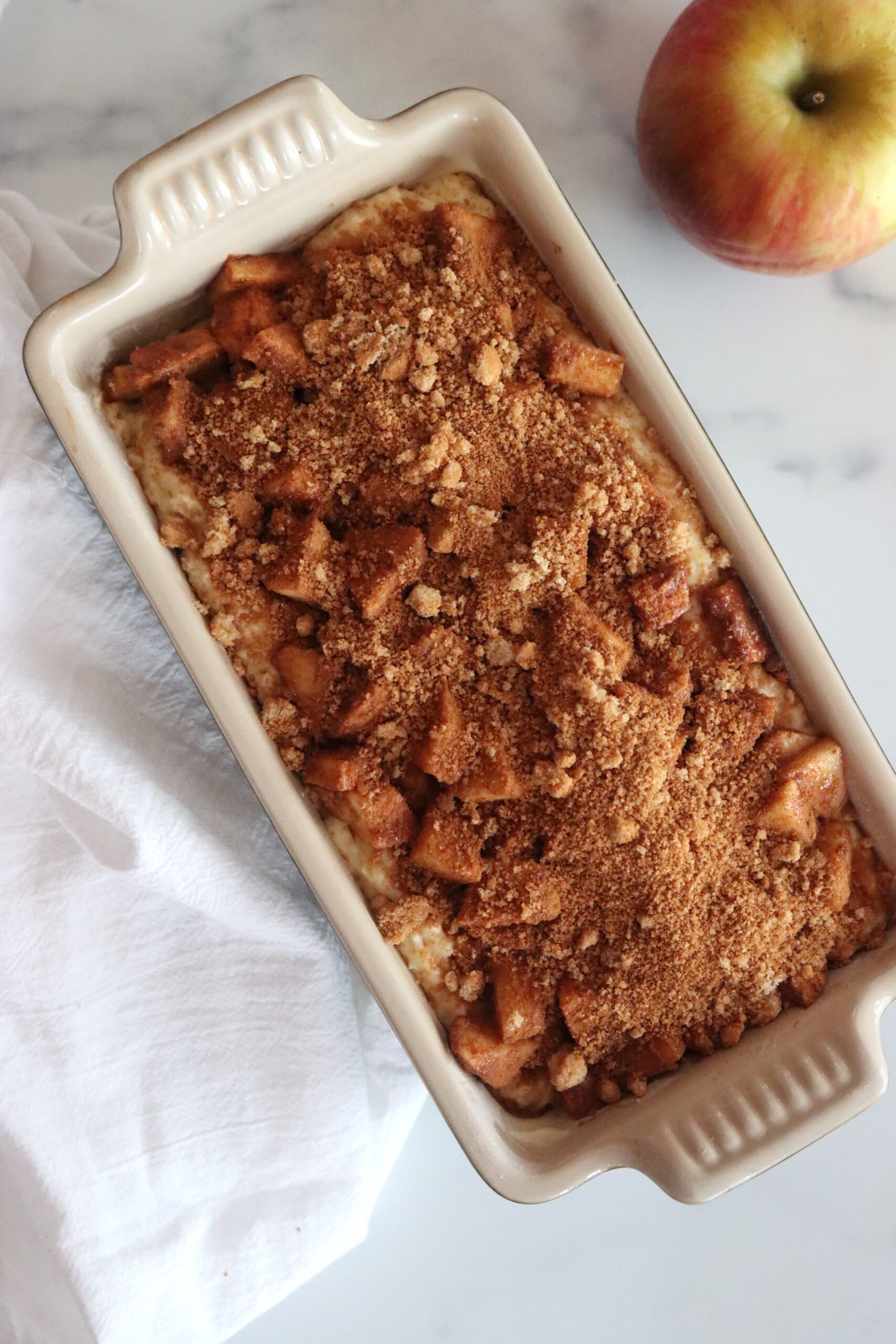
Step 9. Build the second layer. Spread the remaining batter over the apples and work it out to the edges. It will be stiff, so an offset spatula or the back of a spoon helps. Top with the rest of the apples, press them gently in, and finish with the last of the cinnamon sugar.
Step 10. Bake for 60 to 70 minutes. Check it at 40 minutes, and if the top is already deep brown, tent it loosely with foil for the rest of the bake. It is done when a toothpick pushed into the center comes out clean. Aim between the apple pieces rather than through one, since apple juice reads as wet batter and will send you baking a finished loaf for another fifteen minutes.
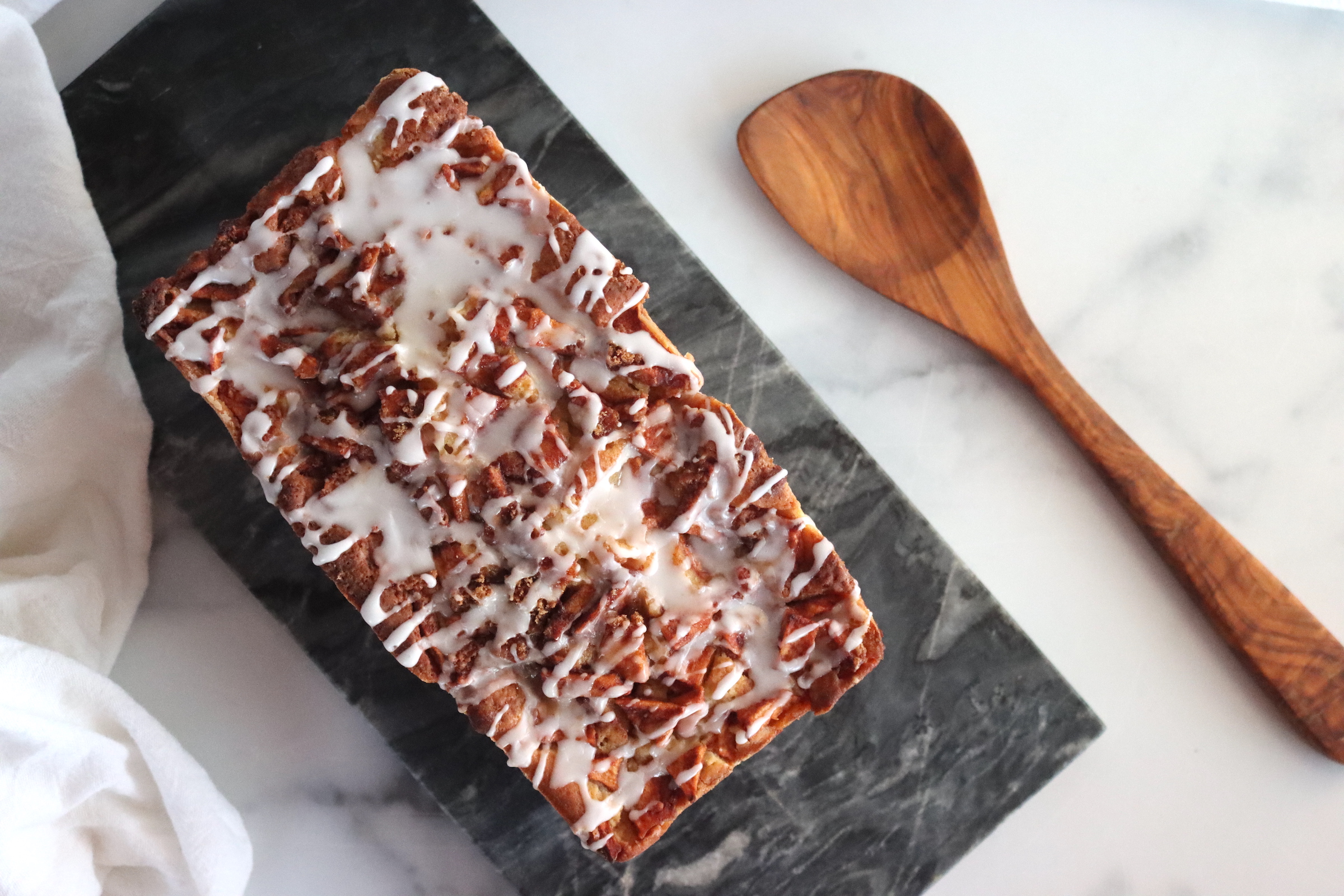
Step 11. Cool in the pan, then out of it. Give it 20 minutes in the pan so the crumb can set, then turn it out onto a wire rack. Turning it out too early tears it, and leaving it in the pan too long steams the bottom crust soft.
Step 12. Glaze the cooled loaf. Whisk the powdered sugar, vanilla, and milk until smooth, adding the milk a spoonful at a time until it drizzles off the whisk in a ribbon. Drizzle it over the loaf once it is fully cool, and let the glaze set before slicing. Glazing a warm loaf just melts the glaze into the crust and gives you a wet top instead of a set one.
Resting the batter overnight
Made straight through, this is a discard recipe: the sourdough is there for flavor and moisture, and the baking powder does the lifting. Rest the batter first and you get something closer to a long fermented bread, with a deeper tang and a slightly more open crumb.
To do it, mix the batter through step 5 but leave the baking powder out. Cover the bowl and let it sit at room temperature for 60 to 90 minutes, or refrigerate it overnight. When you are ready to bake, sprinkle the baking powder evenly over the surface and fold it in gently, then assemble and bake as written.
Holding the baking powder back is worth the extra step. Baking powder is double acting, which means it releases part of its gas the moment it hits liquid. Stir it in the night before and most of that first release is spent by morning, which is why an overnight batter mixed the ordinary way bakes up shorter and denser than the same recipe made fresh. Adding it at the end gives you the full ferment and the full rise.
Do not assemble the loaf until you are ready to bake it. Apples left sitting in cinnamon sugar overnight release a surprising amount of liquid, and that liquid ends up as a soggy seam through the middle of the bread.
Tips for the best sourdough apple fritter bread
Dice the apples smaller than you want to. A 1/4 inch dice looks fussy going in and looks right coming out. Apples shrink as they bake, so a 1/2 inch chunk leaves a small cavity behind it, and enough of those cavities in a row is where a slice breaks apart when you lift it.
Tent with foil at 40 minutes. The topping is almost entirely brown sugar, and brown sugar darkens well before the center of a dense fruit-heavy loaf is cooked. A loose foil tent for the back half of the bake is the difference between a rich brown crust and a bitter one.
Test between the apples, not through them. A toothpick that goes through a piece of hot fruit comes out wet no matter how done the loaf is. Push it into the crumb between the apple pieces, and check in two spots before you believe it.
Stop mixing while it still looks lumpy. This is a quick bread and it follows muffin rules. The moment the batter turns perfectly smooth you have developed enough gluten to make it chewy. The same rule governs my sourdough banana bread and every other discard loaf on this site.
Let it cool all the way before glazing and slicing. This loaf is genuinely better an hour after it comes out of the oven than it is fresh. Warm, the apple layers are still loose and the slices tear. Cooled, the crumb sets around the fruit and cuts cleanly.
Variations
The base recipe takes changes well. A few that work:
- A true streusel topping: If you want crumbs rather than a cinnamon sugar shell, work 1/4 cup flour and 3 tablespoons of cold butter into the brown sugar and cinnamon with your fingertips until it clumps. Use it on top only, and keep the plain cinnamon sugar for the middle layer.
- Pear fritter bread: Swap the apples for firm, barely ripe pears such as Bosc. Cut the cinnamon in the apple mixture by half and add a pinch of cardamom, which suits pears better than a heavy cinnamon hand does.
- Add nuts: Fold 1/2 cup of toasted chopped walnuts or pecans into the topping mixture. They toast further in the oven and add the crunch that the butterless topping does not provide on its own.
- Caramel or maple glaze: Replace the milk in the glaze with maple syrup for a maple version, or skip the glaze and drizzle warm caramel over the cooled loaf instead.
- Muffins instead of a loaf: Divide the batter and apples between 12 lined muffin cups, layering the same way, and bake at 350°F for 22 to 26 minutes. Handy for a crowd, and they freeze better than slices do.
- Other discard sweets: If this is your kind of baking, sourdough cinnamon raisin bundt cake and baked sourdough donuts use discard the same way, and bread machine apple cinnamon bread is the yeasted version of the same flavor.
Serving sourdough apple fritter bread
This is a breakfast loaf as much as a dessert. Thick slices with coffee is how it usually goes here, and a slice warmed for ten seconds with a little salted butter is better than it has any right to be. It also holds up as an afternoon snack with tea, or as dessert with vanilla ice cream if you want to push it that direction.
It travels well, which is why it ends up as a gift so often. Bake it in a parchment-lined pan, lift the whole loaf out by the paper once it is cool, glaze it, and wrap it. If you are giving it away, glaze it the morning you hand it over rather than the night before, since the glaze softens overnight.
Storage: Wrapped tightly at room temperature, the loaf keeps for 3 days and is arguably best on day two. The apples keep the crumb moist longer than most quick breads manage. In the refrigerator it holds for 5 days, though it firms up, so bring slices back to room temperature or warm them briefly before serving.
Freezing: Freeze it unglazed, either whole or in slices, wrapped well, for up to 3 months. Thaw at room temperature and glaze after thawing. Individually wrapped slices go straight from the freezer into a lunch bag and are thawed by mid-morning.
If apple baking is where you are this season, my Italian apple cake is the simplest of the lot, Norwegian apple pie skips the crust entirely, and apple pie shortbread bars are the version that travels best of all. For more ways to empty the discard jar, try sourdough discard crackers.
This is the best apple fritter bread ever! So moist and the apple filling is delish. My family loved it, and I’ll be baking it again.
Sourdough apple fritter bread FAQs
Use a firm, tart apple that holds its shape when baked, such as Granny Smith, Braeburn, Northern Spy, or Honeycrisp. Soft eating apples like McIntosh and Cortland break down into sauce inside the loaf and leave a wet cinnamon layer instead of distinct pieces of fruit. Peel them either way, since the skins turn leathery in a batter this moist.
No. The batter is flour, sugars, baking powder, salt, sourdough discard, eggs, vanilla, and melted butter, and the discard supplies all the liquid it needs. Milk appears only in the vanilla glaze. The batter is meant to be thick, closer to a soft dough than something pourable.
No, the loaf is very good made straight through in about an hour and a half. Resting the batter for 60 to 90 minutes at room temperature, or overnight in the refrigerator, deepens the sourdough tang. If you do rest it, leave the baking powder out until the end and fold it in just before assembling, since baking powder starts releasing its gas as soon as it hits liquid.
It came out of the oven early. Fruit-heavy loaves take longer than they look like they should, and the dark cinnamon sugar top makes them look finished well before the center is. Tent the loaf with foil at 40 minutes and keep baking to 60 or 70 minutes total, testing with a toothpick pushed into the crumb between the apple pieces rather than through one.
Wrapped tightly at room temperature it keeps for 3 days and is arguably best on the second day. In the refrigerator it holds for 5 days but firms up, so warm the slices before serving. To freeze, leave it unglazed, wrap it whole or in slices, and freeze for up to 3 months, then thaw at room temperature and glaze afterward.
More sourdough recipes
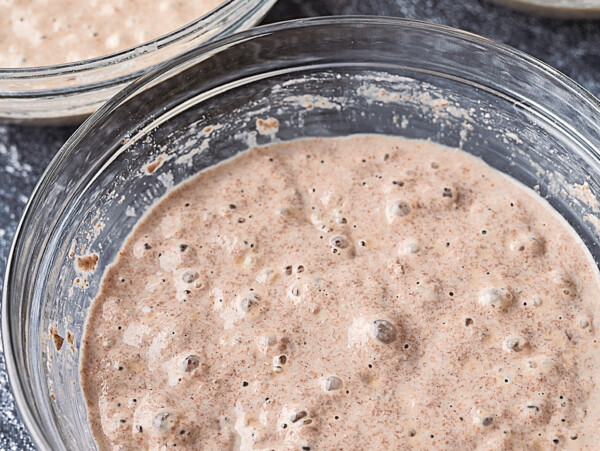
If you tried this Sourdough Apple Fritter Bread, or any other recipe on Adamant Kitchen, leave a ⭐ star rating and let me know what you think in the 📝 comments below!
And make sure you stay in touch with me by following on social media!
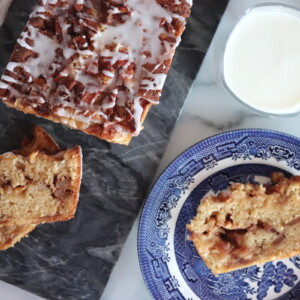
Sourdough Apple Fritter Bread
Equipment
- 1 Loaf Pan (9×5-inch)
- Mixing Bowls
- Whisk
Ingredients
For the Bread:
- 1 1/2 cups Flour, All purpose
- 1/4 cup Brown Sugar
- 1/4 cup Sugar, white cane sugar
- 1 tsp Baking Powder
- 1/2 tsp Salt
- 1 cup Sourdough Discard
- 2 large Eggs
- 1 tsp Vanilla Extract
- 6 tbsp Butter, Unsalted, melted
For the Apple Cinnamon Mixture:
- 3 medium Apples, about 300g, peeled and diced (Granny Smith or similar tart variety works best)
- 1 tbsp sugar, white cane
- 1 tsp Ground Cinnamon
For the Streusel Topping:
- 1/2 cup Brown Sugar
- 1 tsp Ground Cinnamon
For the Vanilla Glaze:
- 1/2 cup Powdered Sugar
- 1/2 tsp Vanilla Extract
- 1 to 3 tbsp Milk, adjust for desired glaze consistency
Instructions
- Preheat the oven to 350F (175C). Butter a 9 by 5 inch loaf pan generously and dust it with flour, or line it with parchment paper.
- Melt the butter in a small saucepan over low heat or in the microwave. Remove from the heat and set aside to cool slightly.
- In a large bowl, whisk together the flour, brown sugar, white sugar, baking powder, and salt. Make a well in the center and set aside.
- In a second bowl, stir together the sourdough discard, eggs, vanilla extract, and melted butter until smooth. There is no milk in the batter; the discard supplies the liquid.
- Pour the wet mixture into the well and fold gently until no dry flour remains. The batter will be thick, closer to a soft dough than a pourable batter. Do not overmix.
- Peel and dice the apples to about 1/4 inch. Toss them in a small bowl with the sugar and cinnamon until evenly coated.
- In another small bowl, stir the brown sugar and cinnamon together for the topping. No butter or flour is needed.
- Spread half the batter evenly into the bottom of the prepared pan. Scatter half the apples over it, pressing them lightly in, then sprinkle with half the cinnamon sugar topping.
- Spread the remaining batter over the apples, working it out to the edges. Top with the remaining apples, press them gently in, and finish with the rest of the cinnamon sugar topping.
- Bake for 60 to 70 minutes. Check at 40 minutes and tent loosely with foil if the top is already deep brown. The loaf is done when a toothpick pushed into the crumb between the apple pieces comes out clean.
- Cool in the pan for 20 minutes, then turn out onto a wire rack and cool completely.
- Whisk the powdered sugar, vanilla, and milk together, adding the milk a spoonful at a time until the glaze ribbons off the whisk. Drizzle over the fully cooled loaf and let it set before slicing.
Notes
Nutrition
Nutrition information is automatically calculated, so should only be used as an approximation.
More breakfast recipes
Find the perfect recipe
Searching for something else? Enter keywords to find the perfect recipe!
Delicious!!!
This was really good and easy to make. Definitely a keeper! How do you suggest to store? Room temp or fridge?
This one will keep for 1-2 days at room temp, past that I’d put it in the refrigerator. Enjoy!
This is the best apple fritter bread ever! So moist and the apple filling is delish. My family loved it and I’ll be baking it again.
Wonderful!
Hello, I have this in the fridge ready to bake soon. I noticed on step 4, it says whole milk, but the ingredients do not have milk listed? Can you clarify?
That was a type-o, I originally used milk the first time I tested this recipe but found it came out better without it (leaving the batter thicker). Thanks for catching that, I’ll go correct it!