This post may contain affiliate links. Please see our disclosure policy.
Whole wheat sourdough starter takes nothing but flour, water, and about a week of small daily feedings. The same simple method works with einkorn, spelt, rye, and other ancient grains, and once it’s bubbly, it’ll raise any sourdough bread you want to bake.
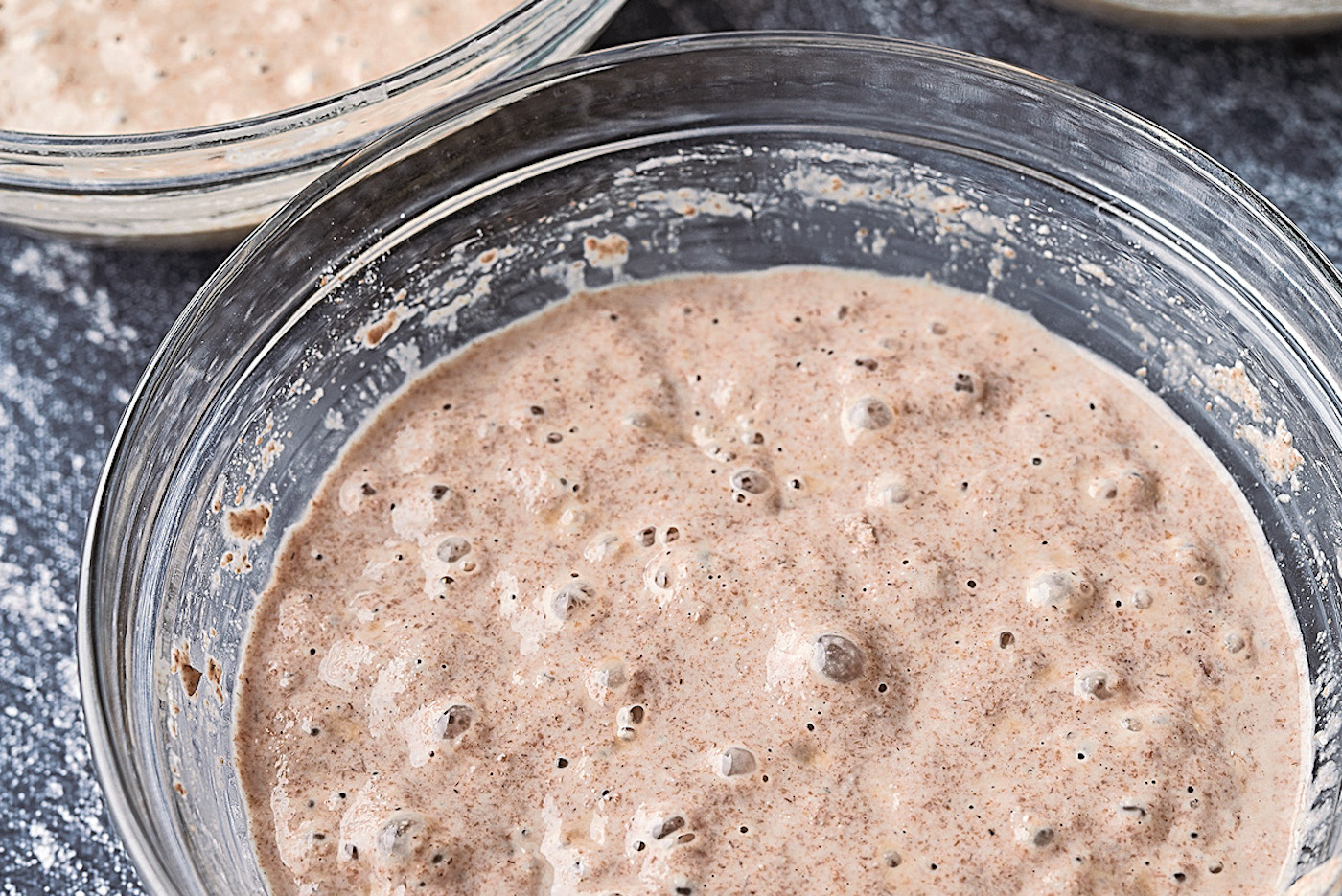
Table of Contents
- Notes from My Kitchen
- What to Expect the First Week
- Ingredients for Whole Wheat Sourdough Starter
- Yield Notes
- How to Make a Whole Wheat Sourdough Starter
- Tips for the Best Whole Wheat Sourdough Starter
- Making a Starter with Other Whole Grains
- Converting a White Flour Starter to Whole Wheat
- Feeding and Storing Your Starter
- Getting Your Starter Ready to Bake
- What to Do with Sourdough Discard
- When to Throw a Starter Out
- Baking with a Whole Wheat Starter
- Whole Wheat Sourdough Starter FAQs
- More Sourdough Recipes
- Whole Wheat Sourdough Starter Recipe
- Homemade Bread Recipes
Whole grain flour is a great place to start a sourdough culture. It carries more of the wild yeast a starter needs, along with the minerals that feed it. That’s why a whole wheat starter often gets going faster than one made with white flour.
It brings flavor to your bread, too. Loaves made with a whole grain starter can taste fuller and a little more sour.
You don’t have to bake whole wheat bread to use one, either. Elaine’s rule is that a starter made with any flour works in any dough, so this one can raise a soft sourdough bread or a beginner sourdough loaf made with white flour.
I adapted this method from Whole Grain Sourdough at Home by Elaine Boddy. Elaine teaches home bakers through her foodbod Sourdough site and books, and this one is all about whole wheat, einkorn, spelt, rye, and the other ancient grains.
Her method is easy on flour. You only discard twice in the first week, so very little goes to waste, and every step takes just a couple of minutes.
If you’d rather start with rye, there’s a separate rye sourdough starter method with its own schedule. Once your starter is bubbling, there are more than 100 sourdough recipes to put it to work, from sandwich bread to cookies.
Notes from My Kitchen

I’ve made a lot of sourdough starters over the years, and I’ve had plenty of them fail, since it’s an imprecise process. My very first rye starter turned into a smelly mess and went into the compost. A few years later, I tried again with my daughter as my kitchen helper, reminding me to stir it, and that one took off.
I love the flavor a whole grain starter brings, rye most of all, and even a mostly white loaf picks some of it up. My kids like their sourdough mild, though, so when I’m baking for them, I use the starter right at its peak and keep the rise short and warm. That way, one jar of starter makes both kinds of bread.

What to Expect the First Week
A new starter has a few ups and downs before it settles in. On day 2 it might puff up with bubbles and look ready to go. That early rise usually comes from bacteria in the flour rather than yeast, so don’t worry when it goes quiet for a few days afterward.
Around days 3 and 4, a whole grain starter can smell pretty bad. Eggy, cheesy, and sharp like vinegar are all normal. As the mix gets more acidic, those early bacteria fade out, and the yeast and lactic acid bacteria that make sourdough take over.
You may also see the top turn darker than the starter underneath. Just stir it back in. Keep feeding on schedule, even on the days when nothing seems to be happening.
Ingredients for Whole Wheat Sourdough Starter
Any whole wheat flour will make a starter, including white whole wheat and flour you grind yourself. Other whole grains work too, and each one acts a little differently in the jar.
- Whole wheat flour: Regular whole wheat flour from the grocery store is fine. Elaine recommends a strong whole wheat flour, ideally 13 to 15 percent protein, like King Arthur whole wheat flour. A very strong flour can look like a stretchy blob at first and take a while to absorb the water, so just keep stirring.
- Water: Tap water works as long as it doesn’t smell strongly of chlorine. If yours does, use filtered water. Use room temperature water, or slightly warm water if your kitchen is cool.
You’ll also need a jar and a scale.
- A quart jar: A straight-sided glass jar that holds about a quart gives the starter room to double and makes the rise easy to see. Elaine uses Weck jars with the glass lid resting on top, which lets the gas escape.
- A digital scale: Weighing keeps the flour and water even, and a digital scale makes it easy to see how much starter is in the jar. A silicone spatula is handy for stirring and scraping down the sides.
Yield Notes
Day 1 starts with 50 grams each of flour and water, and each daily feeding after that adds 30 grams of each. Over the week, that’s about 230 grams of flour. With two discards along the way, you’ll have a little over 200 grams of starter on day 7.
That’s plenty to bake your first loaf and still keep about 50 grams going in the fridge.
If you measure by volume, 50 grams of whole wheat flour is about 7 tablespoons, and 30 grams is about 1/4 cup. Spoon the flour into the measure and level it off. For the water, 50 grams is 3 1/2 tablespoons, and 30 grams is 2 tablespoons.
How to Make a Whole Wheat Sourdough Starter
Plan on about a week, with a couple of minutes of stirring each day. Feed it at about the same time every day, and keep it somewhere between 70 and 78°F, the range King Arthur Baking recommends for a new starter.
If your kitchen is cooler than that, everything takes longer, so find a warmer spot. A few hours early or late on a feeding won’t hurt a thing.
Day 1: Mix the Flour and Water
Weigh 50 grams of whole wheat flour and 50 grams of water into a clean jar. Stir until there’s no dry flour left. It’ll be a thick paste.
Scrape down the sides, and rest the lid on top without sealing it. Leave it on the counter for 24 hours.
Days 2 and 3: Feed Without Discarding
Each day, stir in 30 grams of flour and 30 grams of water. Mix until smooth, scrape down the sides, and cover it loosely again.
You might see a big burst of bubbles on day 2, or nothing at all. Either way, keep going. If it puffs up a lot, just stir it back down.
Day 4: Discard Half and Feed
Scoop out about half of the starter. You don’t need to weigh it, and eyeballing it is fine.
Feed what’s left in the jar with 30 grams of flour and 30 grams of water, then stir and cover. It may smell sharp and vinegary by now, which means it’s getting more acidic.
Day 5: Feed and Wait
Add another 30 grams of flour and 30 grams of water, with no discard today.
Day 5 is often a quiet day, and the starter may look less active than it did. That’s part of the process. Keep feeding, and the yeast will catch up.
Day 6: Discard Half Again
Remove about half of the starter again, then feed it 30 grams of flour and 30 grams of water.
It should start rising a little after each feeding. Put a rubber band around the jar at the level of the starter right after you feed it, so you can see how far it climbs.
Day 7: Check the Rise
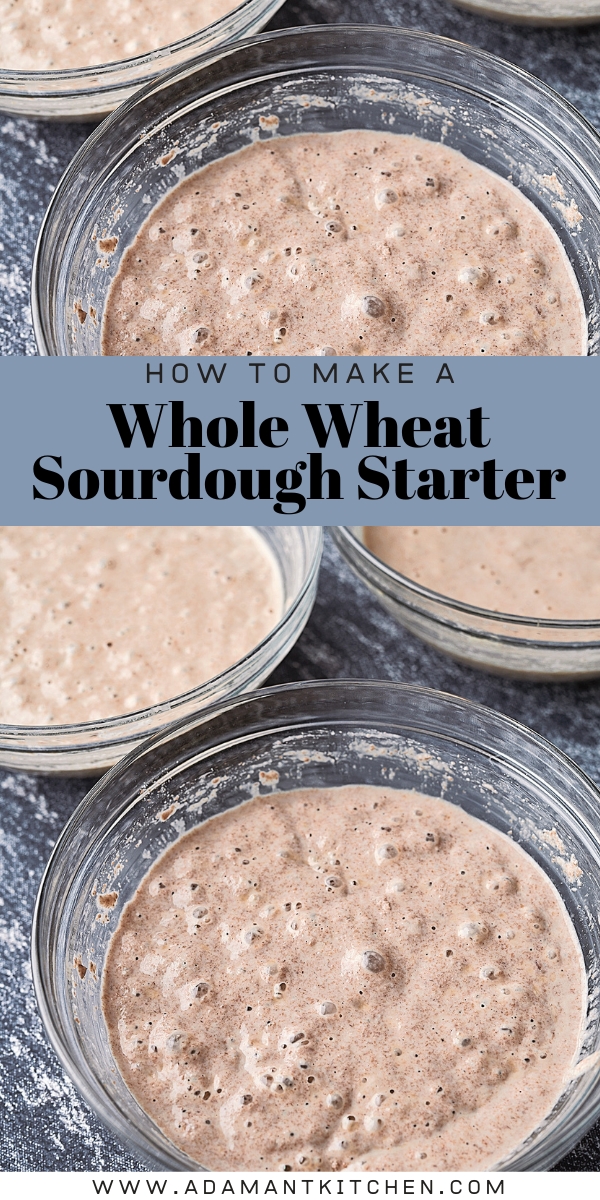
Give it one more feeding of 30 grams of flour and 30 grams of water. It’s ready when it rises well after every feeding, roughly doubling within about 6 to 8 hours, with bubbles all through it and a pleasant sour smell.
If yours isn’t there yet, don’t start over. Keep feeding it once a day and discarding half every other day, the same as days 4 through 7, until it rises reliably. Some starters take a few extra days, especially in a cool kitchen.
Move It to the Fridge
Once it’s rising reliably, your starter is ready to bake with. Use what you need for your first loaf, and keep about 50 grams in the jar.
Close the lid and store it in the fridge. From now on, it only needs feeding when you want to bake, or about once a week if you aren’t baking.
Tips for the Best Whole Wheat Sourdough Starter
Scrape down the sides. Dried bits of starter on the sides of the jar can grow mold. Scrape them down into the starter at every feeding, and move it to a clean jar if the sides get crusty.
Watch the starter, not the clock. Warmth speeds a starter up, and cold slows it down. Below about 68°F it slows down a lot, so find it a warmer spot. Near the top of the 70 to 78°F range it moves faster, so check on it sooner.
Use the fridge in hot weather. A starter in a hot kitchen works through its food quickly and can turn thin and runny. Park it in the fridge during the hottest part of the day. If it does go thin, stir in a spoonful or two of flour without any water until it’s thick again.
Making a Starter with Other Whole Grains
The same method works with other whole grain flours. Each one looks and acts a little differently in the jar, and each gives your bread a slightly different flavor and texture.
Use the whole grain version of the flour, not a white or sifted one. Once a starter is going strong, you can usually swap any of these for another in a sourdough recipe.
Einkorn Sourdough Starter
Einkorn makes a starter that looks sloppy and brown rather than light and bubbly. When you first mix it, it turns into a paste and is slow to take up the water, so keep stirring until the water works in.
Einkorn’s gluten is weak, so the starter stays loose and may not rise as high as a wheat starter. Look for bubbles all through it and a pleasant sour smell. It can take a few weeks before it’s strong enough for a full loaf, so be patient with it.
Even then, an einkorn starter may need a longer rise, or a little more starter, in a bread recipe written for wheat.
Spelt Sourdough Starter
Use whole grain spelt rather than white spelt. The whole grain flour gives the starter more texture and strength.
Once it’s going, a spelt starter has a smooth top with lots of bubbles and texture underneath when you stir it. It smells great once it gets going.
Rye Sourdough Starter
Whole grain dark rye makes a thick, heavy starter. At first, use 15 grams (1 tablespoon) more water than flour, then go back to equal weights once the starter is rising reliably.
Rye has a lot of flavor, and even a little in the starter shows up in the bread. My sourdough rye hearth bread works with either a rye starter or a whole wheat one.
If you already have a wheat starter, I’d convert it to rye slowly, mixing in more rye flour at each feeding. Switching all at once can throw it off.
Emmer Sourdough Starter
Emmer makes a lively, very active starter. Like einkorn, it’s slow to take up the water at first, so stir it well and often for the first couple of days.
It changes quickly, though. Instead of staying a paste, an emmer starter turns bouncy and bubbly, and it smells wonderful once it gets going.
Khorasan Sourdough Starter
Khorasan wheat, often sold under the Kamut brand name, makes a thick starter that can look spongy rather than bubbly.
Stir it, and you’ll see the bubbles and texture under the smooth top. A khorasan starter makes a firm dough and bread with great flavor.
Converting a White Flour Starter to Whole Wheat
If you already have a sourdough starter, you don’t need to start from scratch. Converting it to whole wheat is a great way to get one going.
I’d start by feeding it half whole wheat and half white flour for about a week. Then switch to all whole wheat, and it should be good and strong about a week after that, maybe sooner depending on your starter.
It works the other way too. You can feed a whole wheat starter white flour any time, and the flour in your dough never has to match the flour in your starter.
Feeding and Storing Your Starter
An established starter lives in the fridge with the lid on. The cold slows it way down, so it only needs feeding about once a week when you aren’t baking.
To feed it, stir it down, keep about 50 grams in the jar, and discard the rest or save it for discard recipes. Feed it 50 grams of whole wheat flour and 50 grams of water. Leave it on the counter for an hour or two, until it starts to bubble, then put it back in the fridge.
That layer of grayish liquid you sometimes see on top is hooch. It’s alcohol and water from hungry yeast, and it means the starter is ready for a meal. Stir it back in, or pour it off if there’s more than about 1/2 inch or it has turned dark.
Missed a week or two? It happens. A neglected starter usually comes back with a few feedings. If there’s a lot of liquid on top, it may need a couple of days of feeding twice a day.
Getting Your Starter Ready to Bake
Take the starter out of the fridge, and let it come up to room temperature with the lid on. You can feed it cold, but it’ll be thick and slow to get going.
Then give it the same feeding, 50 grams each of flour and water. When it has risen well and looks domed and full of bubbles, it’s at its peak and ready to use.
If your recipe calls for more starter, feed it more. Add equal weights of flour and water that add up to what the recipe needs.
For a recipe that calls for 100 grams of starter, feed your 50 grams with 50 grams of flour and 50 grams of water. Take 100 grams for the dough at its peak, and the rest goes back in the fridge. I often double my sourdough recipes and bake two loaves at a time for my family, so I feed it enough for both.
A starter that’s been in the fridge a long time can be slow, and it may take up to 12 hours to show any life. Feed it every 12 hours until it doubles within 6 to 8 hours of a feeding, then bake.
What to Do with Sourdough Discard
Discard is just the starter you take out before a feeding. In the first few days, it’s a small amount and can smell off, so composting it is fine.
Once the starter smells pleasantly sour, save the discard in a covered jar in the fridge. Add to it each time, until you have enough for a recipe that doesn’t need the starter to do the rising.
Discard goes into sourdough discard crackers, sourdough chocolate chip cookies, and whole wheat sourdough banana bread. You can also share it. A friend can feed a spoonful of your starter a few times and have one of their own.
When to Throw a Starter Out
A starter is hard to kill, and most of what looks wrong is normal. Gray liquid on top, a darker top layer, and a sharp vinegar smell all just mean it’s hungry.
A beer or cheese smell on a bubbly, active starter doesn’t worry me either. Feed it, and it’ll bounce back.
Throw it out if you see pink or orange streaks, or fuzzy mold, on the starter or on the dried bits on the sides of the jar. Wash the jar well, and start again.
Baking with a Whole Wheat Starter
A whole wheat starter works in sourdough recipes that call for an active starter. Swap it in one for one for a white flour starter you feed with equal weights of flour and water.
If your loaves come out flat or dense, timing is usually the problem. Whole wheat starters rise and fall faster than white ones, so use yours while it’s domed and bubbly, not after it has dropped back down. A cool kitchen slows the dough too, so give it a warm spot and go by how the dough looks rather than the clock.
For a first loaf, my beginner sourdough loaf bread is a good place to start. The sourdough Pullman loaf makes a soft sandwich bread, and sourdough bread with roasted garlic and rosemary is a crusty round loaf.
When I want more tang, I let the dough rise overnight on the counter instead of in the fridge. The sourdough flavor comes through much more, and it still rises well.
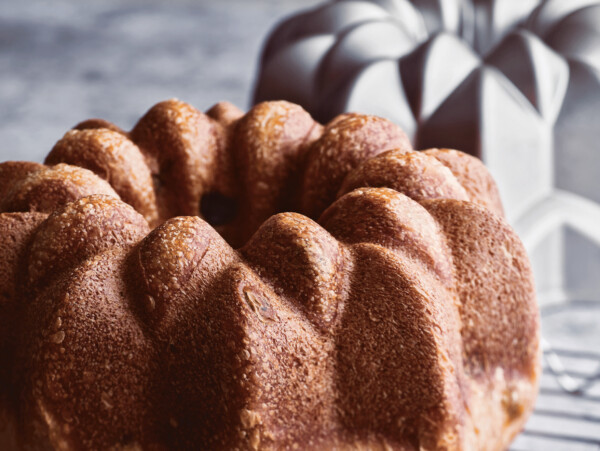
Your starter is also lively enough for a same-day sourdough pizza crust or a sourdough cinnamon raisin bundt cake.
Whole Wheat Sourdough Starter FAQs
Readers ask most about einkorn, discard, and how to feed a starter, so those answers are here.
Usually it’s too cool, or it’s still in the quiet stretch after the first few days. Move it somewhere around 70 to 78°F, and keep feeding it on schedule. If it has turned thin and runny, stir in a spoonful or two of flour without water to thicken it back up.
Yes. The protein advice is for regular whole wheat flour, so it doesn’t apply to einkorn. Use the same equal weights of flour and water, and stir it well. Expect a sloppier starter that can take a few weeks to get strong enough for bread.
No. While you’re making it, you only discard twice. After that, you discard down to about 50 grams before each feeding. That keeps the jar from filling up and gives the starter plenty of fresh food for its size.
Yes, if you bake often. Keep about 50 grams, and feed it 50 grams each of flour and water about once a day. In a warm kitchen it gets hungry sooner, so the fridge is easier if you only bake once a week or so.
It’ll usually come back. Pour off any dark liquid, then feed it once or twice a day until it doubles within 6 to 8 hours of a feeding again. The only reason to throw it out is pink or orange streaks, or mold.
More Sourdough Recipes
Put your new starter to work.


If you tried this Whole Wheat Sourdough Starter recipe, or any other recipe on Adamant Kitchen, leave a ⭐ star rating and let me know what you think in the 📝 comments below!
And make sure you stay in touch with me by following on social media!
Whole Wheat Sourdough Starter
Equipment
Ingredients
Day 1
- 50 g whole wheat flour, see notes for cups
- 50 g water, room temperature
Each daily feeding, days 2 to 7
- 30 g whole wheat flour
- 30 g water, room temperature
Instructions
- Day 1: In a clean quart jar, stir the day 1 flour and water together until there’s no dry flour left. Scrape down the sides, rest the lid on top without sealing it, and leave it at room temperature, ideally 70 to 78°F, for 24 hours.
- Days 2 and 3: Each day, stir in one daily feeding of flour and water, scrape down the sides, and cover the jar loosely.
- Day 4: Remove and discard about half of the starter, then stir in one daily feeding.
- Day 5: Stir in one daily feeding, without discarding any starter.
- Day 6: Remove and discard about half of the starter again, then stir in one daily feeding.
- Day 7: Stir in one daily feeding. The starter is ready when it roughly doubles within 6 to 8 hours of each feeding and smells pleasantly sour. If it isn’t there yet, keep feeding it once a day and discarding half every other day until it is.
- Use what you need for your first loaf, close the lid on the rest, and store it in the fridge (see notes for weekly feeding).
Notes
Nutrition
Nutrition information is automatically calculated, so should only be used as an approximation.
Homemade Bread Recipes
More breads to bake at home.
Find the perfect recipe
Searching for something else? Enter keywords to find the perfect recipe!
Adapted with permission from Whole Grain Sourdough at Home by Elaine Boddy. Page Street Publishing Co. 2020. Photos from the book, used with permission.

This is exactly what I’m looking for! Being pre diabetic I want a whole grain recipe. I’m very excited to get started!!
Glad I could help!
Hi there! I am having trouble making a decent bread with my whole wheat starter. Do you have a recipe for one?
Thanks!
A whole wheat starter works in any of my sourdough bread recipes, and the beginner sourdough loaf is a good one to start with: https://adamantkitchen.com/beginner-sourdough-loaf-bread/ The biggest thing is timing. Whole wheat starters rise and fall faster than white flour ones, so use yours at its peak, when it’s doubled and domed, not after it’s fallen back. If your loaves still come out flat, feed it all-purpose flour for a feeding or two before you bake, since an established starter doesn’t need whole grain flour.
Question:
When you say “Be sure to feed it once a week to keep it healthy. When you’re ready to bake, remove the starter from the fridge, let it come to room temperature, and feed it a couple of times before using it in your dough recipe.” Do mean discard half and add 100g of flour and 100 g of water once a week? Also how much do you feed it when you take it out the fridge? I’m confused. Thank you for answering my question.
Close. Once a week, keep 100 g of starter and discard the rest, then feed it 100 g of whole wheat flour and 100 g of water. Leave it on the counter for an hour or two until it starts to bubble, then put it back in the fridge. When you’re ready to bake, let it come to room temperature and give it that same feeding every 12 hours until it doubles within 6 to 8 hours of a feeding, then use it while it’s bubbly and domed. A whole wheat starter usually gets there faster than a white flour one.
Hi
Is your whole wheat sourdough bread starter recipe the same if I use Einkorn whole wheat flour? The flour I have is not 13-15% protein. Does that change the recipe?
Thanks
Yes, the method and amounts are the same with einkorn, 100 g of flour to 100 g of water by weight. The protein note is for regular whole wheat flour, so it doesn’t apply here. Einkorn looks like a thick paste at first and soaks up water slowly, so stir it well at each feeding. It’s ready when it bubbles and doubles within 4 to 12 hours of a feeding, and it can take a few weeks before it’s strong enough for bread.
A question: A friend wants to start making whole wheat sourdough breads, grinding her own flour. Will it work for me to give her a bit of my regular sourdough starter to get a head start? I was thinking she could feed it a couple of times with her whole wheat flour and then be ready to bake.
Yes! You can convert a regular sourdough starter to whole wheat and it’s a great way to get it started. Just start feeding it half whole wheat for about a week, then convert to all whole wheat and it should be good and strong about another week after that. (Maybe faster, depending on your exact culture.)