This post may contain affiliate links. Please see our disclosure policy.
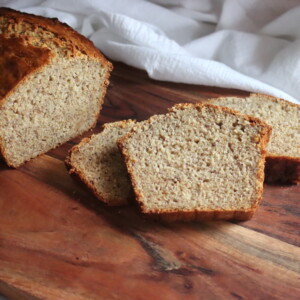
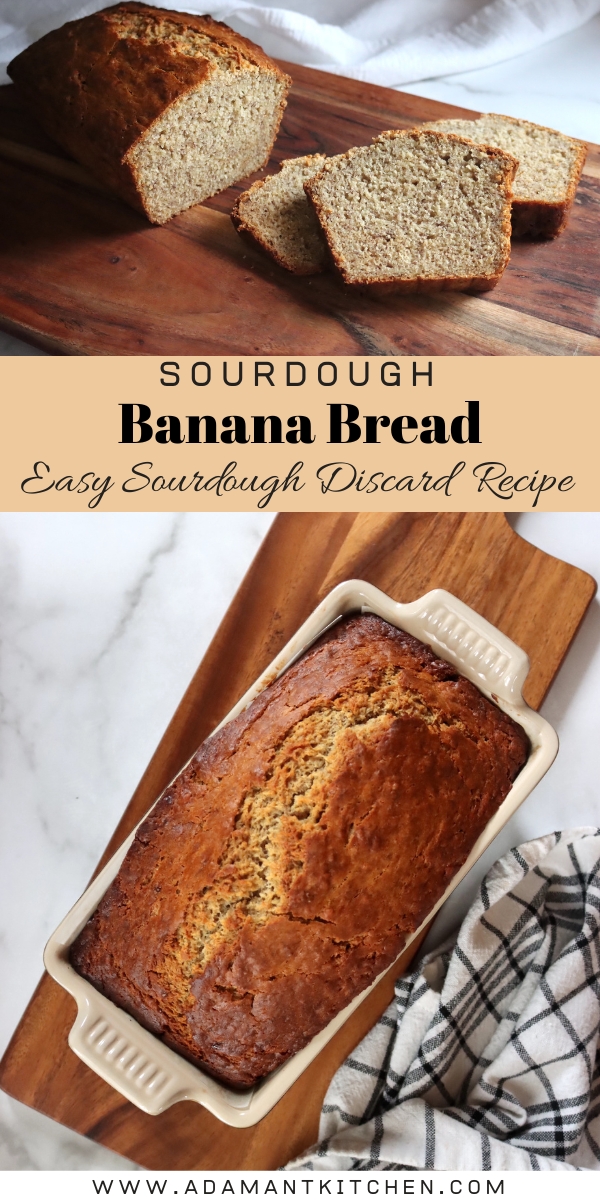
Sourdough banana bread turns half a cup of discard into the moistest banana bread you have made, with just enough tang to keep all that sweetness in check.
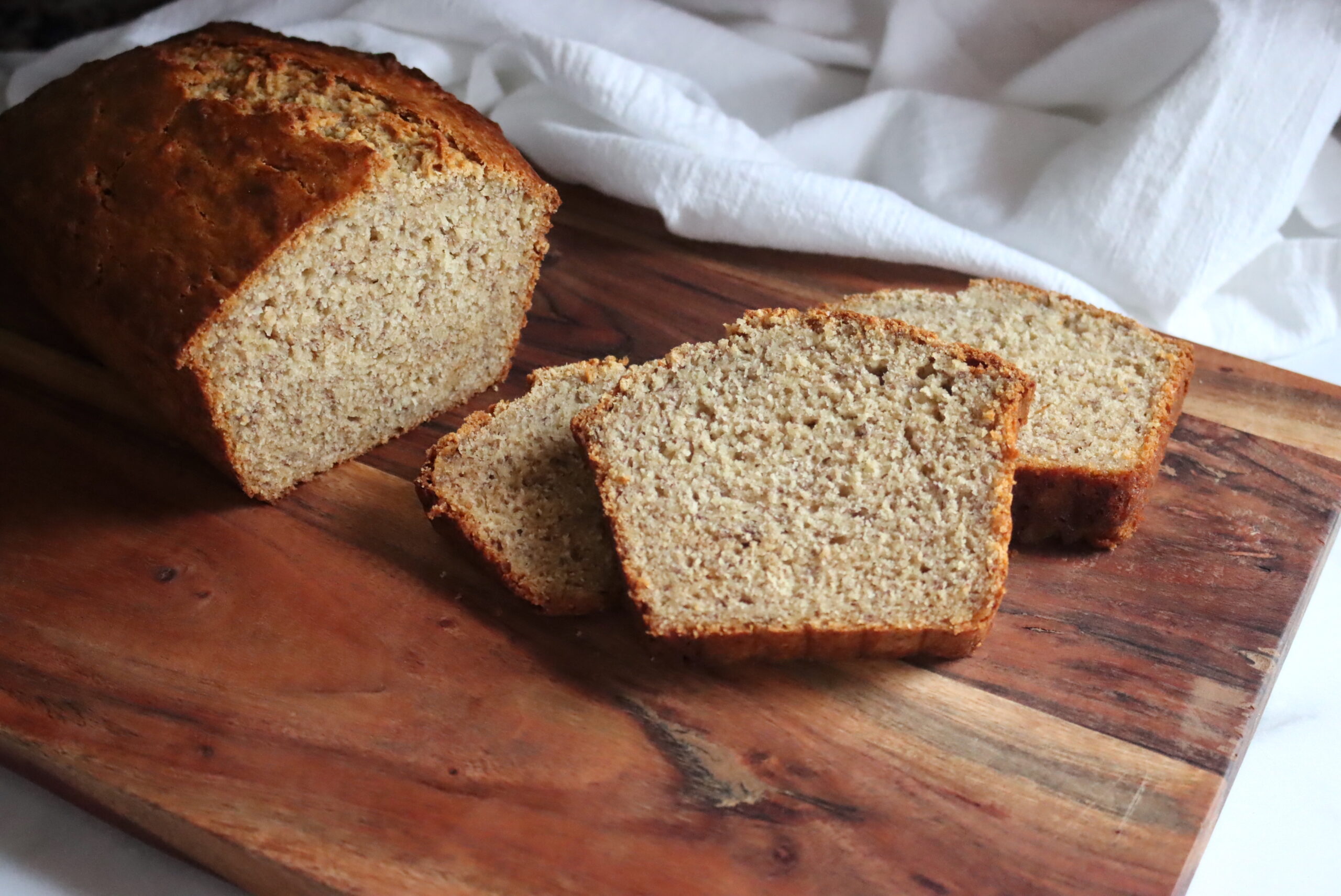
This is a discard recipe, not a fermented one. You cream the butter and sugar, stir in bananas and starter, fold in flour, and bake. There is no rise, no proof, and no waiting, which makes it the easiest possible entry point into sourdough baking if the idea of a boule still feels out of reach.
What sets it apart from ordinary banana bread is the banana ratio. There is nearly 400 grams of mashed banana against 240 grams of flour, which is why the loaf bakes low and slow for over an hour and comes out dense and custardy rather than cakey. The discard adds acidity that keeps that much fruit and sugar from tasting cloying, and it works with the baking soda to give the loaf lift.
It uses the blackest bananas on your counter and the discard jar you were about to pour out, which is a good day’s work for one loaf pan. If your discard jar refills faster than you can bake, my collection of 100+ sourdough recipes has plenty more to do with it.
Notes from My Kitchen

I used to count bananas instead of measuring them, and my loaves were inconsistent for months before I worked out why. Three bananas can be 300 grams or 450 grams depending on the bunch, and in a recipe where the fruit outweighs the flour, that swing is the difference between a proper loaf and a wet seam down the middle. Now I mash into a measuring cup and stop at 1 3/4 cups, and every loaf comes out the same.
The other thing I got wrong early was pulling it too soon. A toothpick that comes out truly clean means this loaf is already dry, because there is so much banana that a little moisture on the pick is normal. I bake to temperature now instead of guessing, and 205°F in the center is the number. It took me three loaves to trust it.
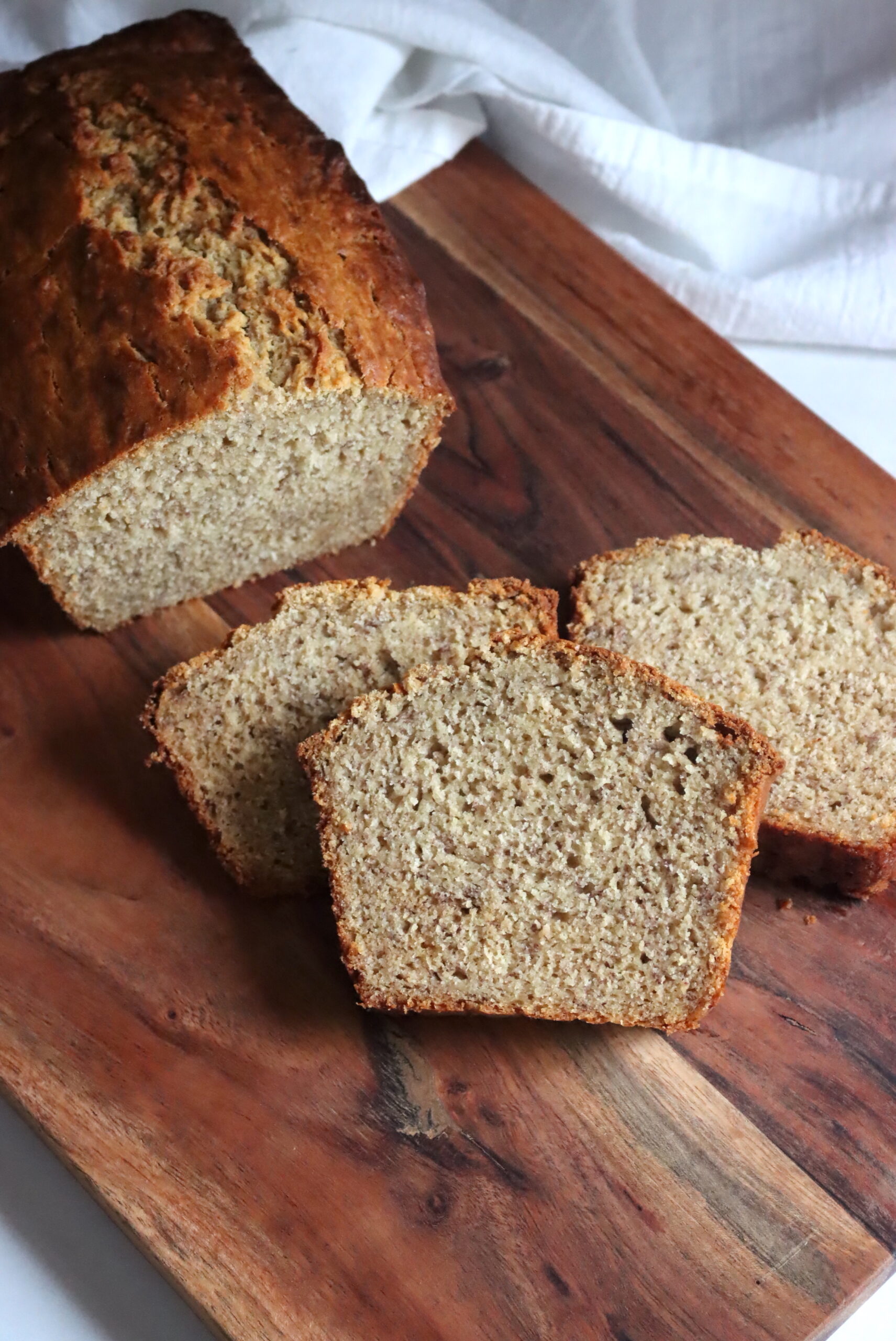
Ingredients for sourdough banana bread
Everything here is a standard baking staple apart from the discard. The butter needs to be at room temperature, because the first step creams it with the sugar rather than melting it, and cold butter will not whip smooth. You will need a 9 by 5 inch loaf pan, or a 12 by 4 inch tea loaf pan if you want taller, narrower slices. Exact amounts are in the recipe card at the bottom of the post.
- Bananas: The most important ingredient and the one people get wrong. They should be heavily speckled to fully black, well past what you would eat. Measure the mashed fruit rather than counting bananas; see the note below.
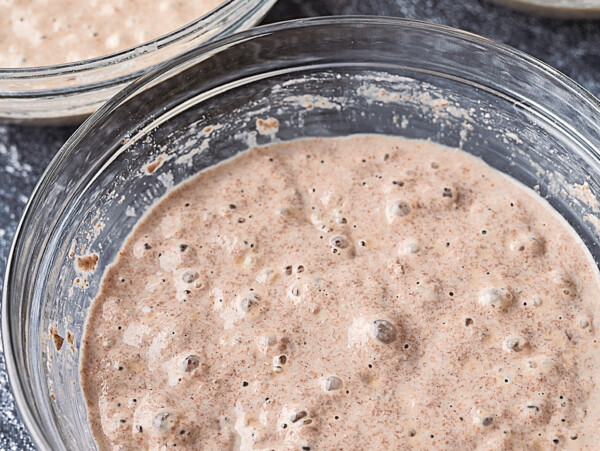
- Sourdough discard: Unfed starter straight from the fridge. It brings acidity that cuts the sweetness, a little tang, and it reacts with the baking soda to help the loaf rise. Fed starter also works and gives a milder, riper flavor.
- Unsalted butter: At room temperature, not melted. Creaming soft butter with the sugar beats air into the batter, and that air is part of what lifts a loaf this heavy with fruit.
- Light brown sugar: Firmly packed. The molasses in it deepens the banana flavor and keeps the crumb soft for days.
- Maple syrup: Adds sweetness and moisture without the graininess of more sugar. Honey works, but it is hygroscopic, so it pulls in moisture and makes the loaf slightly sticky and shorter lived. I use real maple syrup, which is easy enough to come by in Vermont.
- All-purpose flour: Unbleached, spooned and leveled. There is not much of it relative to everything else, so an overpacked cup throws the whole balance off. I use King Arthur unbleached all-purpose flour.
- Baking soda and baking powder: Both, and they do different jobs. The soda reacts with the acid in the discard and the bananas, and the powder provides a second, independent lift. Neither one alone is enough for a loaf this dense.
- Eggs: Two large, for structure. They are what holds this much fruit together.
- Cinnamon and nutmeg: A warm background rather than a headline. Freshly grated nutmeg is worth the thirty seconds if you have a whole one.
- Salt: A full teaspoon, which is more than most banana breads use and exactly right against this much sugar and fruit.
- Vanilla extract: Rounds everything out. Use real extract here.
- Nuts, raisins, or chocolate chips: Optional, and entirely a matter of taste. Toasted walnuts are the classic, chocolate chips are what my kids vote for.
How ripe is ripe enough: Yellow bananas with a few brown spots are not ready. You want fruit that is at least half covered in black, soft enough to mash with a fork, and sweet-smelling. Underripe bananas are starchy rather than sugary, and they will give you a bland, pale loaf no matter how good the rest of the recipe is. If yours are not there yet, spread them unpeeled on a sheet pan and bake at 300°F for 15 to 20 minutes until the skins go glossy black, then cool and mash. It is not quite the same as counter-ripened, but it is close and it takes twenty minutes instead of four days.
Measure the banana, do not count it: Bananas vary enormously in size, and this recipe uses more banana by weight than flour. Three bananas from one bunch can be 300 grams and three from another can be 450 grams, which is the difference between a loaf that bakes properly and one with a wet streak through the middle. Mash into a measuring cup, or weigh it, and stop at 1 3/4 cups or 397 grams. That is roughly 4 medium bananas.
Discard versus fed starter: Either works with no adjustment to anything else. Unfed discard is more acidic, so it gives a slightly tangier loaf and a bit more reaction with the baking soda. A freshly fed starter is milder and gives what I would call a riper, rounder flavor. This recipe assumes a 100 percent hydration starter, meaning equal weights of flour and water. If you are still building one, my whole wheat sourdough starter guide covers it, and beginner sourdough loaf bread is the natural next step once it is active.
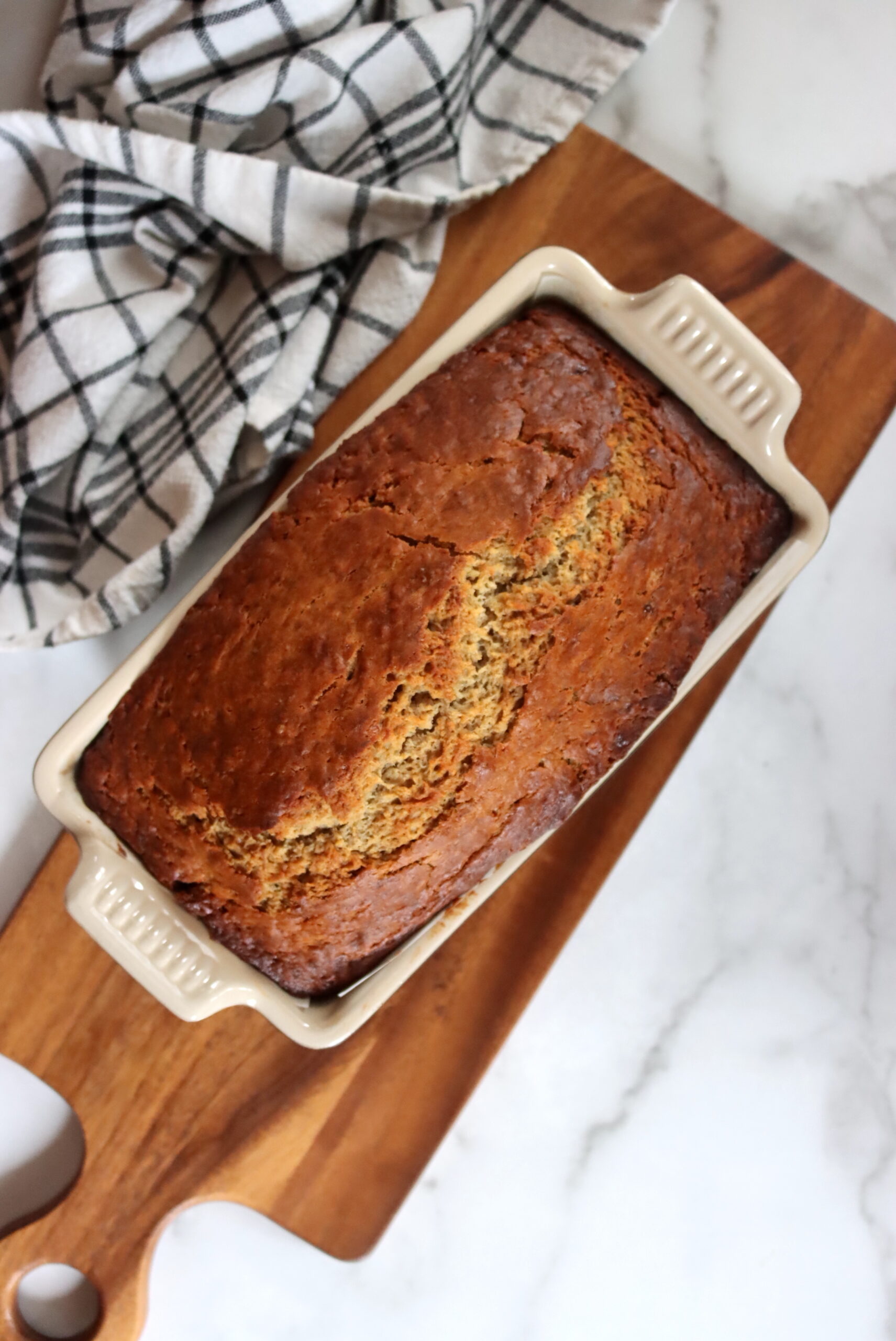
How to make sourdough banana bread
Fifteen minutes of mixing and then a long, low bake. The oven does the difficult part, and the only real skill involved is knowing when to take it out.
Step 1. Heat the oven and grease the pan. Set the oven to 325°F (163°C), which is lower than most quick breads and deliberately so. Lightly grease a 9 by 5 inch loaf pan, or a 12 by 4 inch tea loaf pan.
Step 2. Cream the butter with the sugar and everything dry except the flour. In a large bowl, whip the room temperature butter, brown sugar, vanilla, cinnamon, nutmeg, baking soda, baking powder, and salt together until smooth and light. A stand mixer makes short work of it, and a hand mixer or a sturdy spoon and some patience will get you there too. Getting the spices and leaveners in at this stage means they are evenly distributed before the batter gets delicate.
Step 3. Add the wet ingredients one at a time. Drop in the mashed bananas, maple syrup, eggs, and sourdough discard, mixing well after each addition. Adding them separately rather than all at once keeps the batter from breaking, which it will do if you dump a cup of cold discard into creamed butter all at once.
Step 4. Fold in the flour, and stop early. Add the flour and stir gently with a silicone spatula just until it disappears. Fold in the nuts, raisins, or chocolate chips now if you are using them. Overmixing at this stage develops gluten and turns a tender loaf rubbery, so a few streaks are better than a smooth batter.
Step 5. Fill the pan and bake for 45 minutes. Scoop the batter into the pan and smooth the top. Bake for 45 minutes, then lay a piece of aluminum foil loosely across the surface to keep the top from getting too dark for the rest of the bake.
Step 6. Bake another 25 minutes and check the center. Give it a further 25 minutes, or 20 minutes if you used a tea loaf pan. A toothpick pushed into the center should come out mostly clean, with a few moist crumbs but no wet batter. If you have an instant-read thermometer, 205°F to 210°F in the center is a far more reliable test than the toothpick on a loaf with this much fruit in it.
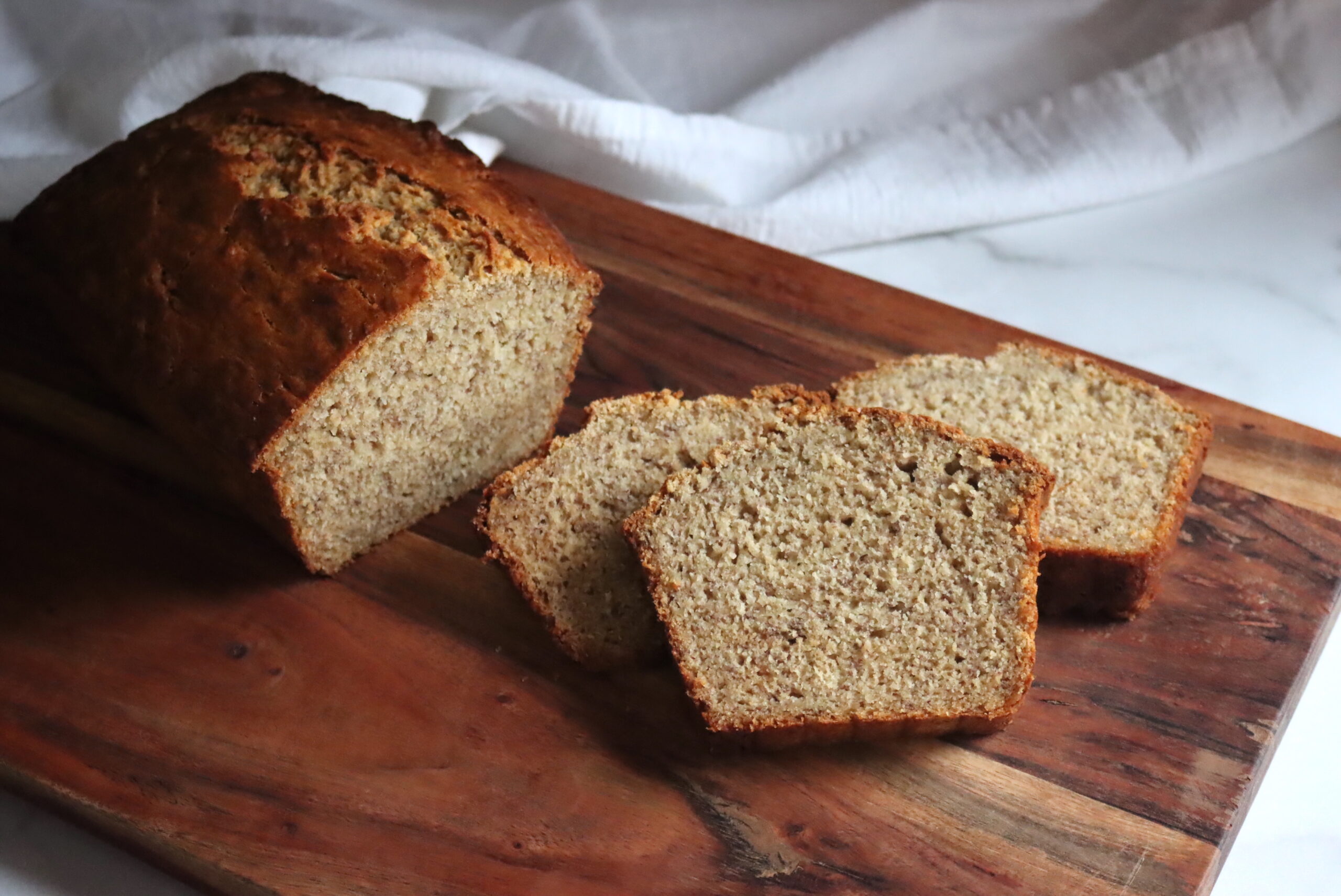
Step 7. Cool in the pan, then out of it. Give the loaf 10 minutes in the pan so the crumb can firm up, then turn it out onto a wire rack and let it cool completely. This loaf is genuinely difficult to slice warm and cuts cleanly once cool, so the wait pays off.
Tips for the best sourdough banana bread
Use the blackest bananas in the house. This is the single biggest lever on the finished loaf, bigger than the flour you buy or the pan you use. Speckled is not enough. If they look like you should throw them out, they are perfect.
Bake to temperature, not to a clean toothpick. With nearly 400 grams of banana in one loaf, a toothpick that comes out completely dry means you have gone past done. Aim for a few moist crumbs, or better, take the center to 205°F on an instant-read thermometer.
Put the foil on at 45 minutes, not later. Brown sugar and maple syrup both darken quickly, and the loaf still has 25 minutes to go at that point. A loose foil tent is the difference between a rich crust and a scorched one.
Do not rest this batter before baking. Some sourdough discard recipes improve with a rest, but this one does not, because the baking soda starts reacting with the acid in the discard and bananas the moment they meet and that reaction does not restart in the oven. Get it into the pan and into the oven. If you want to rest a discard batter overnight, my sourdough apple fritter bread is built for it, with the leavening held back until the end.
Room temperature butter matters here. The first step is a creaming step, and cold butter will not hold the air that helps lift a batter this heavy. If you forgot to set it out, cut it into small cubes and give it fifteen minutes on the counter rather than melting it, which changes the texture of the finished crumb entirely.
Variations
The base loaf takes additions well. A few worth trying:
- Walnut or pecan: Fold in 3/4 cup of toasted chopped nuts with the flour. Toasting them first for 8 minutes at 350°F makes a noticeable difference against this much sweetness.
- Chocolate chip: Same 3/4 cup, folded in at the end. Semisweet holds up better than milk chocolate against the tang of the discard.
- Whole wheat: For a nuttier, denser loaf with more fiber, use my whole wheat sourdough banana bread, which is built around whole grain flour rather than simply swapping it in here.
- Honey instead of maple: Swap the maple syrup for an equal amount of honey. The loaf will be slightly stickier and will not keep quite as long, since honey draws in moisture from the air.
- Muffins: Divide the batter between 18 lined muffin cups and bake at 350°F for 22 to 25 minutes. Note the higher temperature; muffins are shallow enough that the low, slow approach is unnecessary.
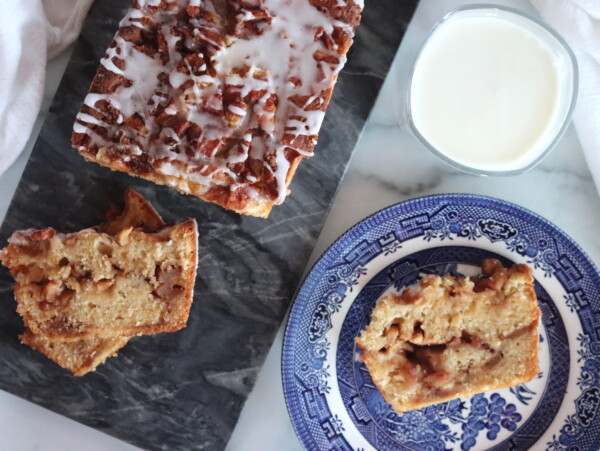
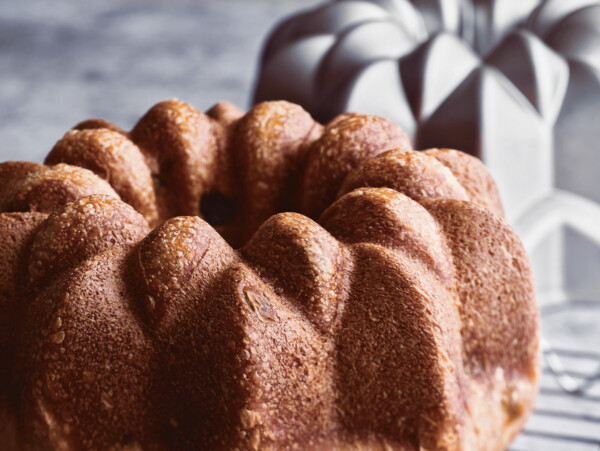
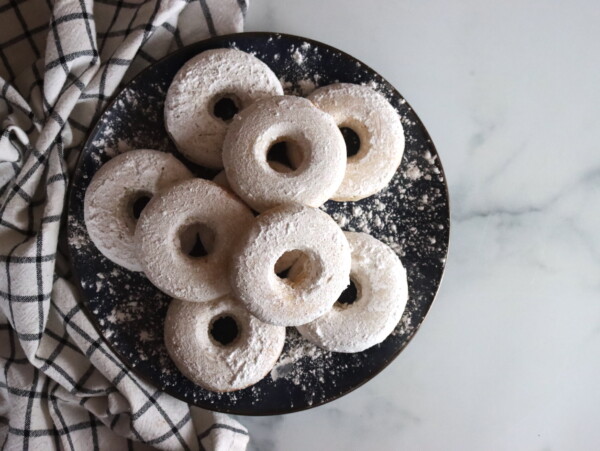
- More discard baking: If this is the corner of sourdough you enjoy, sourdough cinnamon raisin bundt cake, baked sourdough donuts, and sourdough chocolate chip cookies all work the same way.
Serving sourdough banana bread
Sliced thick and eaten plain is how most of this loaf disappears here, usually standing at the counter. It is equally good as a proper breakfast alongside coffee, and a slice keeps a lunchbox interesting for the rest of the week.
Toasted is the upgrade worth knowing about. A thick slice under the broiler or in a toaster oven caramelizes the cut surface, and then butter, cream cheese, or a spoonful of Greek yogurt with berries turns it into something closer to a plated breakfast. For dessert, warm a slice and add vanilla ice cream and a drizzle of maple syrup.
Storage: Wrapped tightly at room temperature, the loaf keeps for 3 to 4 days, and like most banana bread it is better on the second day than the first. Do not refrigerate it; the cold firms up the crumb and dulls the flavor without buying you much time.
Freezing: This loaf freezes better than almost anything else in the discard rotation. Cool it completely, wrap it whole or in individual slices, and freeze for up to 3 months. Wrapped slices go straight from the freezer into a lunch bag and thaw by mid-morning, or into the toaster from frozen if you want it warm.
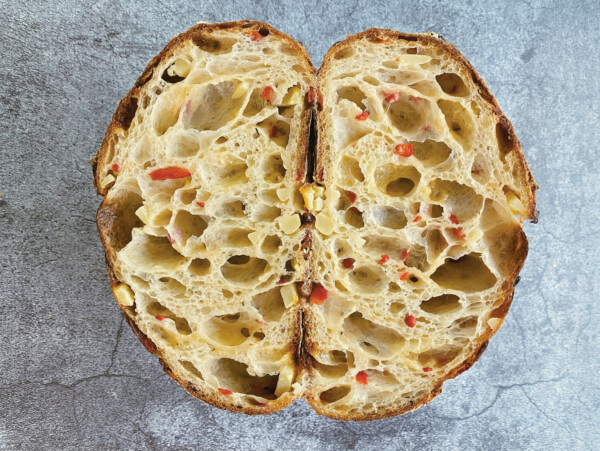
For more ways to work through the discard jar, try sourdough discard crackers or sourdough pizza crust. When you are ready to bake an actual loaf of sourdough, soft sourdough bread is the gentlest place to start.
Sourdough banana bread FAQs
At least half black, soft enough to mash with a fork, and noticeably sweet-smelling. Yellow bananas with a few spots are still starchy rather than sugary and will give you a bland, pale loaf. To ripen them quickly, bake them unpeeled on a sheet pan at 300°F for 15 to 20 minutes until the skins turn glossy black, then cool and mash.
Yes, and frozen overripe bananas are excellent here. Thaw them completely, then measure the mashed fruit and its liquid together to 1 3/4 cups, since that released liquid is sugar and flavor rather than something to drain away. Frozen bananas mash more smoothly than fresh ones, so the crumb comes out slightly more uniform.
Yes, with no other changes. Unfed discard is more acidic and gives a slightly tangier loaf, while a freshly fed starter is milder and rounder in flavor. Both react with the baking soda, and the baking powder provides lift independently either way.
Because there is more banana in the loaf than flour, nearly 400 grams against 240 grams. That much fruit means a wet, heavy batter that needs a long, gentle bake to set all the way through, and a hotter oven would darken the crust badly before the center cooked. Expect 70 minutes total, with foil over the top for the last 25.
A toothpick in the center should come out with a few moist crumbs clinging to it, not wet batter and not perfectly dry. A completely clean toothpick on a loaf this moist usually means it is already overbaked. The reliable test is an instant-read thermometer: 205°F to 210°F in the center means it is done.
More sourdough recipes
If you tried this Sourdough Banana Bread, or any other recipe on Adamant Kitchen, leave a ⭐ star rating and let me know what you think in the 📝 comments below!
And make sure you stay in touch with me by following on social media!
Sourdough Banana Bread
Equipment
- 9 by 5 Loaf Pan
Ingredients
- 8 tbsp butter, unsalted, at room temperature
- ½ tsp baking soda
- ½ cup unfed sourdough starter, discard, or active starter
- 1 ½ tsp baking powder
- ⅔ cup light brown sugar, firmly packed
- 1 tsp vanilla extract
- 2 cups all-purpose flour
- 1 tsp cinnamon
- ¼ tsp nutmeg
- 1 tsp salt
- 1 ¾ cups mashed banana
- ¼ cup maple syrup
- 2 large eggs
- ¾ cup chopped nuts, or raisins or chocolate chips (optional)
Instructions
- Preheat the oven to 325F (163C). Lightly grease a 9 by 5 inch loaf pan.
- In a large mixing bowl, whip together the butter, brown sugar, vanilla, cinnamon, nutmeg, baking soda, baking powder, and salt until smooth and light.
- Add the mashed bananas, maple syrup, eggs, and sourdough discard, mixing well after each addition.
- Gently stir in the flour until just combined. Fold in the nuts, raisins, or chocolate chips if using. Do not overmix.
- Scoop the batter into the prepared pan and smooth the top. Bake for 45 minutes, then lay a piece of aluminum foil loosely across the surface to keep the top from over-browning.
- Bake another 25 minutes, or 20 minutes if using a tea loaf pan. A toothpick inserted in the center should come out with a few moist crumbs but no wet batter. An instant-read thermometer should read 205F to 210F in the center.
- Cool in the pan for 10 minutes, then turn out onto a wire rack and cool completely before slicing.
Notes
Nutrition
Nutrition information is automatically calculated, so should only be used as an approximation.
More breakfast recipes
Find the perfect recipe
Searching for something else? Enter keywords to find the perfect recipe!
I love getting a bit of sourdough into our favorite recipes and this one works wonderfully!