This post may contain affiliate links. Please see our disclosure policy.
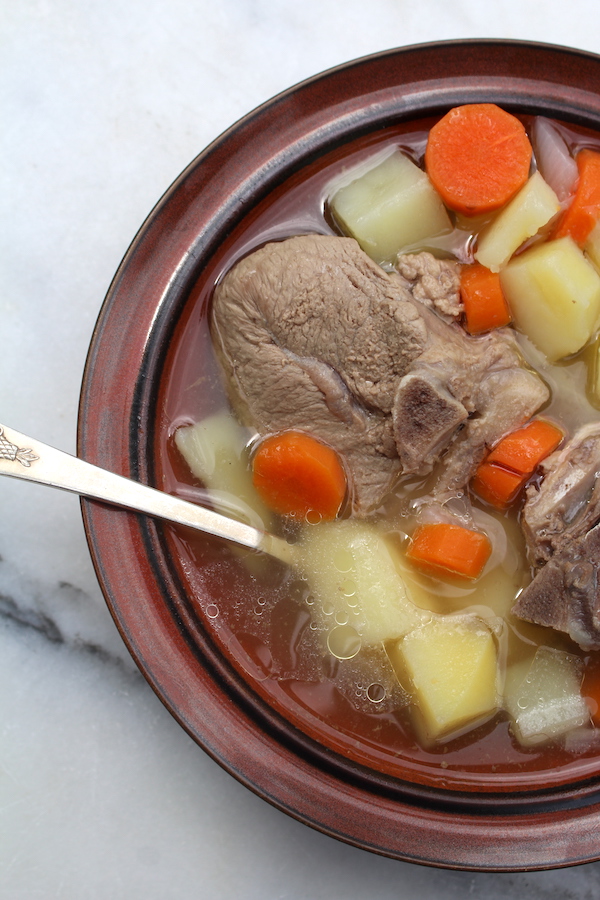
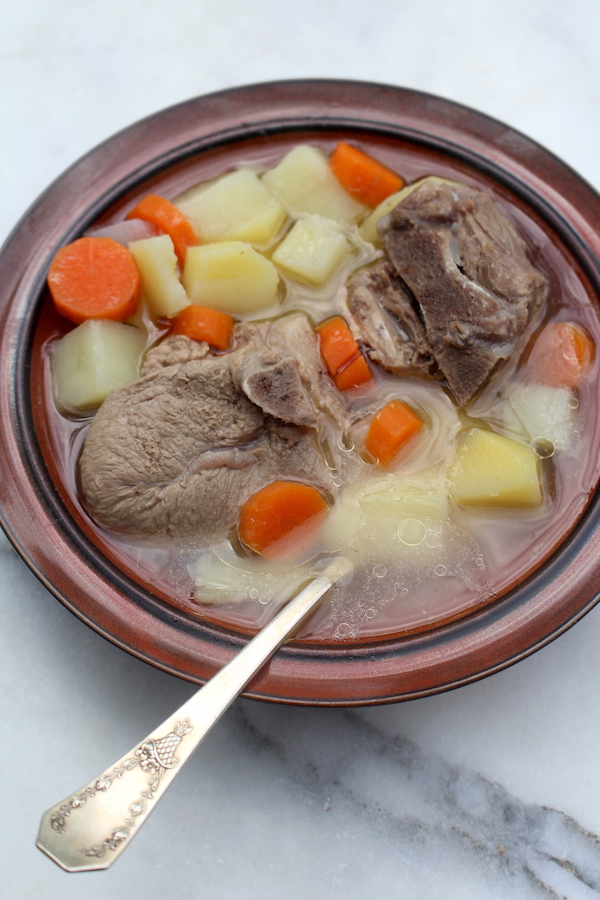
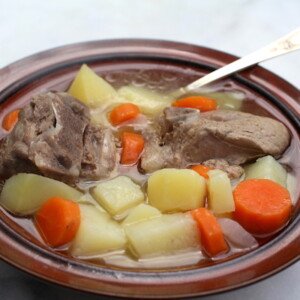
Icelandic lamb soup, known in Iceland as kjötsúpa, is bone-in lamb and winter root vegetables simmered in nothing but water until the meat falls off the bone and the pot has made its own broth.
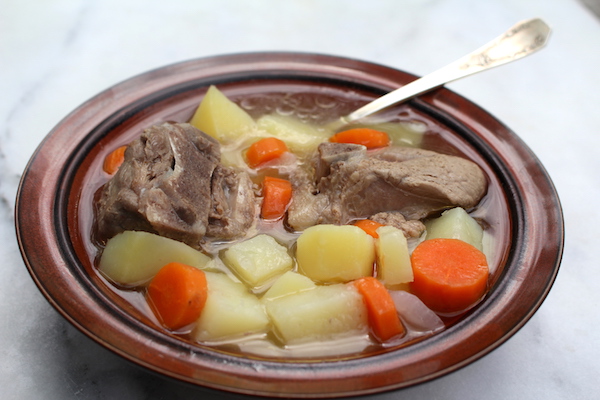
Table of Contents
- Notes from My Kitchen
- Ingredients for Icelandic lamb soup
- How to make Icelandic lamb soup
- What makes it traditional kjötsúpa
- Icelandic lamb stew: thickening kjötsúpa with barley, rice, or oats
- Tips for the best Icelandic lamb soup
- Variations
- Serving Icelandic lamb soup
- Icelandic lamb soup FAQs
- More Scandinavian recipes
- Kjötsúpa (Traditional Icelandic Lamb Soup) Recipe
- More Icelandic recipes
There is no stock, no garlic, no bay leaf, and no browning step. You put raw bone-in lamb in cold water, bring it up slowly, simmer it for an hour, then add coarsely chopped root vegetables and cook them another twenty to thrity minutes. That is the entire recipe, and the restraint is the point rather than an omission.
This version follows The Nordic Cookbook by Magnus Nilsson, which is explicit that adding stock or modern seasonings turns kjötsúpa into an ordinary meat soup from anywhere. I have cooked it that way on a Vermont woodstove through more than one January, and the plain version really is better. The lamb and the rutabaga carry the whole thing.
It is the same principle behind plokkfiskur, the Icelandic fish stew that is essentially fish, potatoes, and milk. For the rest of the Nordic table, see my Scandinavian holiday recipes. Full amounts and times are in the recipe card at the bottom of the post.
Notes from My Kitchen

The lamb neck that went into my first pot of this was never meant to be soup. It was sitting in the refrigerator earmarked for pottkjøtt, the Norwegian potted mutton set in its own jelly, and then a friend called to say he had tacked a week in Iceland onto the end of a work trip to Sweden. I pulled The Nordic Cookbook off the shelf looking for something to tell him to eat there, landed on kjötsúpa, and the neck got reassigned on the spot.
What I did not expect was how much the skimming mattered. That first time I wandered off during the initial boil, came back to grey foam that had been stirred back down into the pot, and ended up with a cloudy broth that tasted fine and looked like dishwater. Now I stand at the stove with a spoon for the first ten minutes, and that is the entire difference between this and the clear amber bowl they hand you in Reykjavík.
Ingredients for Icelandic lamb soup
Six ingredients plus water, and the water is doing real work here rather than standing in for something better. The only piece of equipment that matters is a heavy pot with a lid, six quarts or larger, because you are covering several pounds of bone-in meat with liquid and then adding several more pounds of vegetables to the same pot.
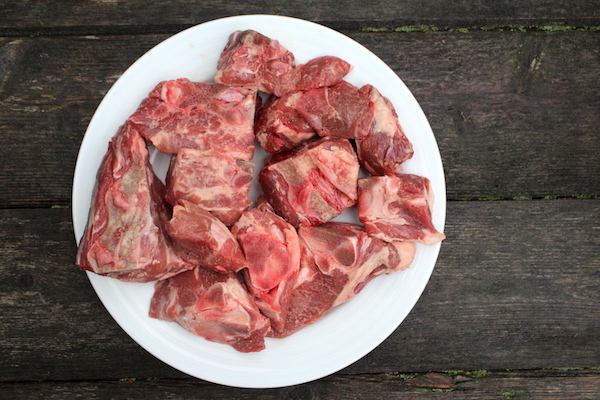
- Bone-in lamb or mutton: A slow braising cut from the front of the animal, meaning neck or shoulder. The bone is not optional, since the collagen and marrow coming out of it are what turn plain water into broth. Skip leg, which is too lean to give anything up over an hour of simmering.
- Water: Enough to cover the meat by an inch or so, and nothing else. Broth or stock makes the finished soup too savory and flattens the sweetness the root vegetables bring.
- Rutabaga: Sold as swede in Britain and Ireland. This is the flavor that makes the soup taste Icelandic rather than generic, sweet and faintly mustardy in a way turnip is not. It is also the slowest vegetable in the pot, so cut it no larger than the potatoes.
- Carrots: Cut into thick coins or chunks rather than thin rounds, so they hold their shape through twenty minutes of simmering instead of dissolving into the broth.
- Waxy potatoes: Yukon Gold, red potatoes, or any boiling potato. Russets fall apart and cloud the broth, which undoes the skimming you just did. Peeling is optional and Icelandic cooks often do not bother.
- Onion: One is plenty. It is the one ingredient here that some Icelandic versions leave out entirely, and if you want the strictest reading of the tradition you can skip it.
- Salt and black pepper: The only seasonings. Don’t be tempted to add other seasoning here, it is not traditional.
What to ask the butcher for: The cut you want has a lot of bone relative to meat, which is exactly what most butcher counters have trouble selling. Lamb neck is ideal and often the cheapest thing in the case. If you cannot find whole neck, lamb shoulder chops are the same muscle sliced into slabs and work identically, bone and all. Bone-in shoulder roast, cut into rough three-inch pieces, is the third option. For more on why bones are the point, see my guide to cooking marrow bones.
Lamb versus mutton: Icelandic sheep are typically slaughtered at four to five months, so what Icelanders call lamb is younger and milder than most of what is sold as lamb elsewhere. Mutton, from an older animal, gives a stronger and slightly gamier soup that many people prefer here, and it needs closer to ninety minutes rather than sixty to come fully tender. Either one works. If you are cooking your way through a whole animal, cauliflower stew with lamb uses the same braising cuts.
How to make Icelandic lamb soup
This is mostly waiting. There are about ten minutes of real attention at the beginning while you skim, then an hour where the pot does the work, then twenty minutes at the end once the vegetables go in. Nothing gets browned, nothing gets sautéed, and there is no stage where the recipe can run away from you.
Step 1. Start the meat in cold water. Put the lamb in a heavy six-quart pot, such as a Dutch oven or a stainless steel stock pot, and pour in enough cool water to cover it by an inch. Starting cold rather than dropping the meat into boiling water draws the collagen and albumin out gradually, which is what gives you broth instead of grey water with meat in it.
Step 2. Bring it up slowly. Raise the heat gently until the surface just begins to move, then back it off. You want the barest simmer, with a bubble breaking every second or two. A hard boil emulsifies the fat into the liquid and permanently clouds the broth.
Step 3. Skim, and keep skimming. Grey foam will rise for the first ten minutes or so. Lift it off with a spoon and discard it. This is the single step that separates a clear soup from a murky one, and it cannot be done later, because once you stir that foam back down it stays down. For the same reason it matters in homemade bone broth.
Step 4. Cover and simmer for about an hour. The meat is ready when it gives up under a fork and the pieces are starting to separate from the bones. Mutton and larger pieces can take up to ninety minutes. There is no penalty for going long here.
Step 5. Add the vegetables and season. Put in the rutabaga, carrots, potatoes, and onion, and stir in the salt and pepper. Add the rutabaga first by a minute or two if your pieces came out larger than the rest, since it is the one that will still be firm when everything else is done.
Step 6. Simmer until the rutabaga gives way. Twenty minutes is the usual number, but test the rutabaga rather than the potato. A knife should slide through it with no resistance at all. If your chunks are big, this can run to thirty minutes, and nothing is hurt by the extra time.
Step 7. Taste, then serve hot. Adjust the salt now that the broth has reduced and the vegetables have given up their sweetness. Ladle it out bones and all, or lift the bones out first if you would rather not deal with them at the table.
What makes it traditional kjötsúpa
Kjötsúpa translates literally as meat soup, and Icelandic meat soup is what you will see it called on plenty of menus. It belongs to the same family as Norwegian fårikål and Swedish kalops, the national meat-and-root-vegetable dishes that came out of what stored well through a northern winter. If you keep your own roots over the winter, Mike and Nancy Bubel’s Root Cellaring is the book that explains why rutabaga sweetens in storage and lamb does not.
Magnus Nilsson is blunt about what keeps it Icelandic. The vegetables should be winter ones, coarse and sweet. Thyme, garlic, and bay leaves show up in modern recipes and are probably very tasty, but as he puts it, they reduce the soup to any other meat soup from anywhere. The same goes for using stock instead of water, which he says creates an overly savory soup that loses the balance between vegetables and meat.
That is worth taking seriously before you start improving it. The soup tastes underseasoned in the pot and then tastes exactly right in the bowl, because the sweetness of rutabaga and carrot against unsalted lamb broth is the flavor you are after. Salt it, pepper it, and stop there the first time. Then decide.
Icelandic lamb stew: thickening kjötsúpa with barley, rice, or oats
Plenty of Icelandic households thicken the pot with a starch, which turns a brothy soup into something closer to a stew. This is traditional, not a shortcut, and it is why you will see the same dish described as Icelandic lamb stew about as often as Icelandic lamb soup.
Use about 1/4 cup of grain for a pot this size. Which grain you pick changes when it goes in:
- Rolled oats: Add with the vegetables. They dissolve almost completely and give the broth body without anything to chew, which is the most common version in Iceland.
- Rice: Add with the vegetables. Twenty minutes is right for long grain white rice, and the grains stay distinct.
- Pearl barley: Add about forty minutes before the soup is done, meaning twenty minutes into the lamb simmer, so it gets twenty minutes with the meat and twenty more with the vegetables. Barley added at the end stays hard and chalky.
Grain absorbs a surprising amount of liquid as it sits, so a thickened pot will be noticeably stiffer the next day. Loosen it with a splash of water when you reheat.
Tips for the best Icelandic lamb soup
Test the rutabaga, not the potato. The potatoes will be done before the rutabaga is, every time. If you pull the pot when the potatoes are soft you get firm, sharp-tasting rutabaga in the bowl, which is the most common complaint about this soup. Cut the rutabaga smaller than everything else, or give it a five minute head start.
Do not brown the meat. Every instinct built by other braises says to sear the lamb first, and it is the wrong instinct here. Browning gives you a darker, heavier, roastier soup and a cloudy broth. If that is what you want, it is a perfectly good soup, but it is no longer kjötsúpa. My German goulash soup is the version of this idea that does start with a hard sear.
Let it go cold, then lift the fat. Lamb throws a lot of fat, and skimming it hot is a losing game. Refrigerate the pot overnight and the fat sets into a cap you can lift off in one piece. The soup is better on day two anyway.
Cut the vegetables coarse. Big pieces are the whole texture of the dish. Anything small enough to eat on a spoon without cutting has been cut too small, and it will also break down and cloud the broth during the simmer.
Salt at the end, not the beginning. An hour of simmering reduces the liquid by a fair amount. Salt going in at the start ends up concentrated by the time you eat, and there is no fixing an oversalted pot of soup.
Variations
The traditional version is deliberately plain, but there are a few departures worth knowing about.
- Parsnip for rutabaga: The most common substitution readers make, usually because rutabaga is hard to find. Parsnip is sweeter and softer, so cut it larger and add it with the potatoes rather than ahead of them. Some Reykjavík restaurants use finely chopped parsnip cooked down almost into the broth, treating it more like an aromatic than a vegetable.
- Meat served separately: Lift the lamb out onto a platter before the vegetables go in, cook the vegetables in the broth, and serve the meat alongside. It makes the bones easier to deal with and it is how the dish is often plated in Icelandic homes.
- Leftover roast lamb: Use the picked bones and any remaining meat from a roast. Simmer the bones for the full hour to build broth, then add the cooked meat back with the vegetables so it does not shred to nothing. Any garlic and rosemary from the roast will carry through into the soup.
- Cabbage, leek, or celeriac: All three store through a northern winter and all three belong. Add cabbage in the last ten minutes only. If you like the leek and potato direction, my potato, leek and nettle soup takes it somewhere else entirely.
- Fish instead of lamb: Not a variation on this recipe so much as its sibling. Finnish salmon soup is the same Nordic logic applied to what came out of the water instead of off the hill.
Serving Icelandic lamb soup
This is a one-bowl dinner. There is meat, there is starch, and there are vegetables, and nothing else is required. In Iceland it comes with dense dark rye bread, rúgbrauð, and salted butter, and if you have a dark rye in the house that is the pairing to make. There is a rúgbrauð recipe in The Nordic Baking Book if you want to bake one, though it takes most of a day at a very low oven temperature. A slice of braised red cabbage on the side pushes it toward a proper Nordic winter table.
Serve it in wide shallow bowls rather than mugs, since the pieces are large and people need room to work. Put a spoon and a fork at each place. Most of the meat slides off the bone under spoon pressure, but the fork earns its keep.
Storage: Cool the pot within two hours, then refrigerate. It keeps 4 days in the refrigerator and genuinely improves after the first night, both because the fat caps and lifts off cleanly and because the broth deepens. The potatoes soften a little each day, which is the limiting factor rather than the meat.
Freezing and reheating: Freeze for up to 3 months. Potatoes go grainy when frozen and thawed, so if you know a batch is headed for the freezer, hold the potatoes back and add them fresh when you reheat. Reheat gently on the stove; a hard boil will shred the meat and cloud whatever clarity you worked for. To put it up on a shelf instead, lamb has to be pressure canned, and canning lamb and mutton covers the times and pressures.
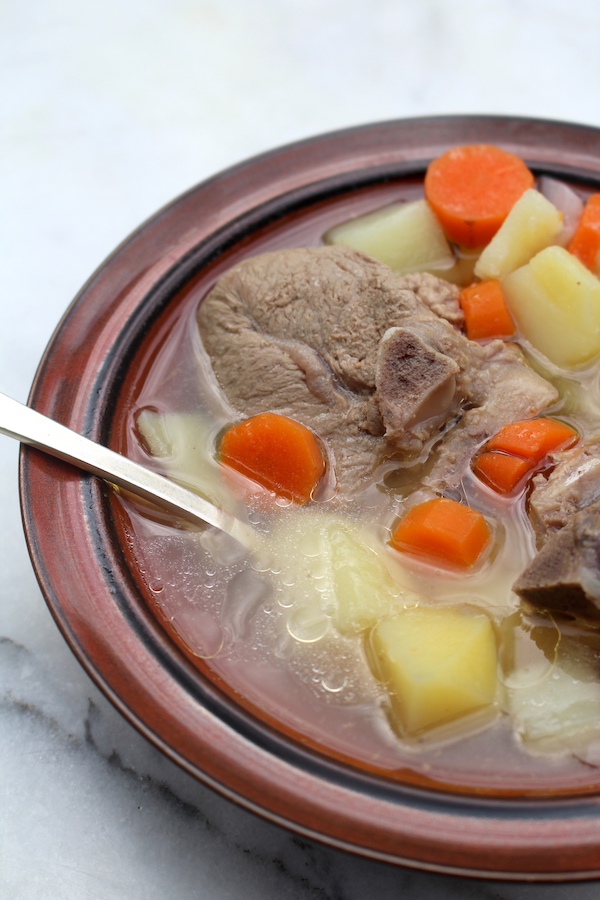
I had this soup at Skalli Bistro in Kópavogur, and this recipe hit the spot! I added the veggies in a little early and the lamb was nice and tender. I used parsnip as I could not find rutabaga.
Icelandic lamb soup FAQs
Ask for lamb neck if they have it, since it is the classic cut for kjötsúpa and usually the cheapest thing in the case. If they only carry shoulder chops, buy those instead. Shoulder chops are the same muscle sliced into slabs, and they behave identically in the pot as long as the bone is still in them. Bone-in shoulder roast cut into rough three-inch pieces is the third option.
Yes, and it is the substitution most readers end up making because rutabaga can be hard to find. Parsnip is sweeter and cooks faster, so cut the pieces larger and add them at the same time as the potatoes rather than giving them a head start. The soup will taste noticeably sweeter and less peppery than the rutabaga version, but it is still recognizably kjötsúpa.
Not for a traditional kjötsúpa. Browning builds roasted flavors and clouds the broth, which moves the soup away from the clear, clean, faintly sweet thing it is supposed to be. If you brown by habit on every braise, try it once without and compare. Nothing terrible happens if you sear it, you just end up with a different and heavier soup.
That sweetness is the rutabaga, with help from the carrots and onion. Root vegetables held in cold storage convert starch to sugar over the winter, and an hour in unsalted lamb broth concentrates it. It is characteristic of the dish rather than a mistake. If you want it dialed back, use fewer carrots, skip the onion, or add a little more salt and black pepper at the end.
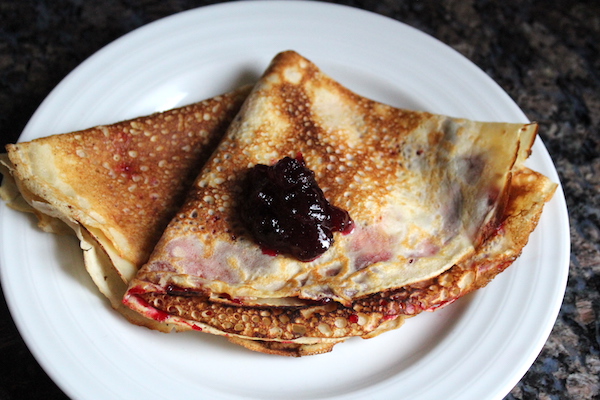
Dark rye bread and salted butter, and not much else. The soup is a complete meal with meat, potatoes, and vegetables already in the bowl. If you are building a larger Icelandic spread, follow it with pönnukökur, the thin Icelandic pancakes rolled with sugar or jam.
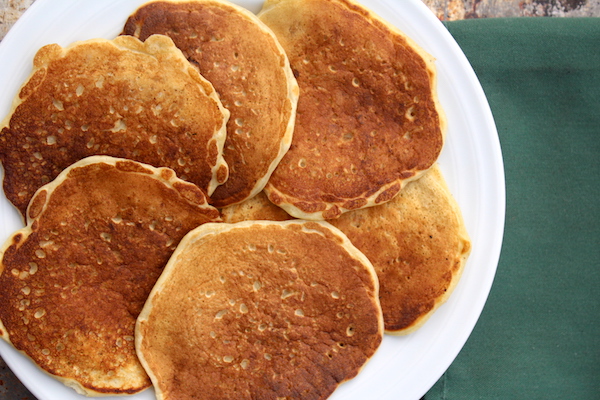
For the rest of the Icelandic table, pönnukökur are the thin pancakes that end almost every meal, lummur are the thick oatmeal pancakes made from yesterday’s porridge, and kleina are the twisted fried donuts sold in every Icelandic bakery.
More Scandinavian recipes
If you tried this Icelandic Lamb Soup, or any other recipe on Adamant Kitchen, leave a ⭐ star rating and let me know what you think in the 📝 comments below!
And make sure you stay in touch with me by following on social media!
Kjötsúpa (Traditional Icelandic Lamb Soup)
Equipment
- Heavy soup pot or Dutch oven, 6 quart or larger
- slotted spoon
- Ladle
Ingredients
- 2 to 2 1/2 lbs bone-in lamb or mutton, shoulder or neck, cut into rough pieces
- 2 quarts water, or enough to cover the meat by 1 inch
- 1 large rutabaga, swede, peeled and chopped into rough chunks
- 4 large carrots, chopped into thick chunks
- 6 medium waxy potatoes, chopped into rough chunks
- 1 large onion, chopped
- 1 Tbsp salt, or to taste
- 1/2 tsp ground black pepper, or to taste
Instructions
- Place the lamb in a large soup pot, such as a 6-quart Dutch oven, and add enough cool water to cover the meat by about 1 inch.
- Bring slowly up to a boil over medium heat, then reduce the heat until the surface is barely moving.
- Skim the grey foam off the surface with a spoon as it rises during the first 10 minutes, and discard it.
- Cover and simmer for about 1 hour, until the meat is very tender and beginning to fall from the bones. Mutton and larger pieces may take up to 1 1/2 hours.
- Add the rutabaga, carrots, potatoes, and onion. Stir in the salt and pepper.
- Simmer uncovered for about 20 minutes, until the vegetables are tender. Test the rutabaga rather than the potato, since it is the slowest to cook.
- Taste and adjust the salt. Serve hot, either with the bones in the bowl or with the bones lifted out first.
Notes
Nutrition
Nutrition information is automatically calculated, so should only be used as an approximation.
More Icelandic recipes

Find the perfect recipe
Searching for something else? Enter keywords to find the perfect recipe!
I had roast lamb yesterday so made this with the (cooked) bones and remaining meat. They were roasted with garlic and rosemary so some of that flavour came through to the soup.
It was delicious and despite the non-traditional ingredients, still tasted very similar to the lanb soup I had in Iceland
So glad you like it!