This post may contain affiliate links. Please see our disclosure policy.
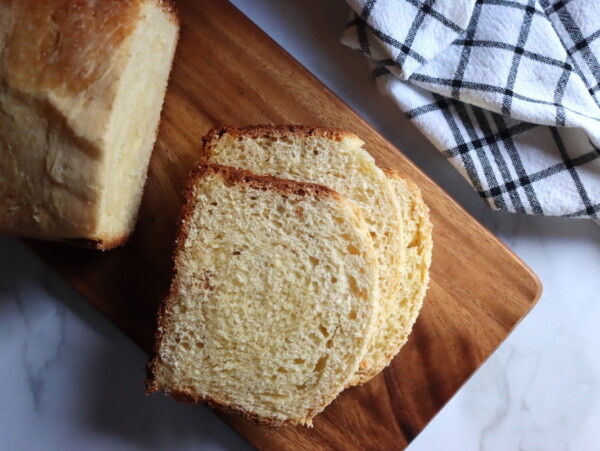
Bread machine english muffin bread gives you all the chewy, tangy, nook-and-cranny character of english muffins in a sandwich-loaf shape, with five minutes of active prep. The vinegar and baking powder are the secret to that classic english muffin flavor.
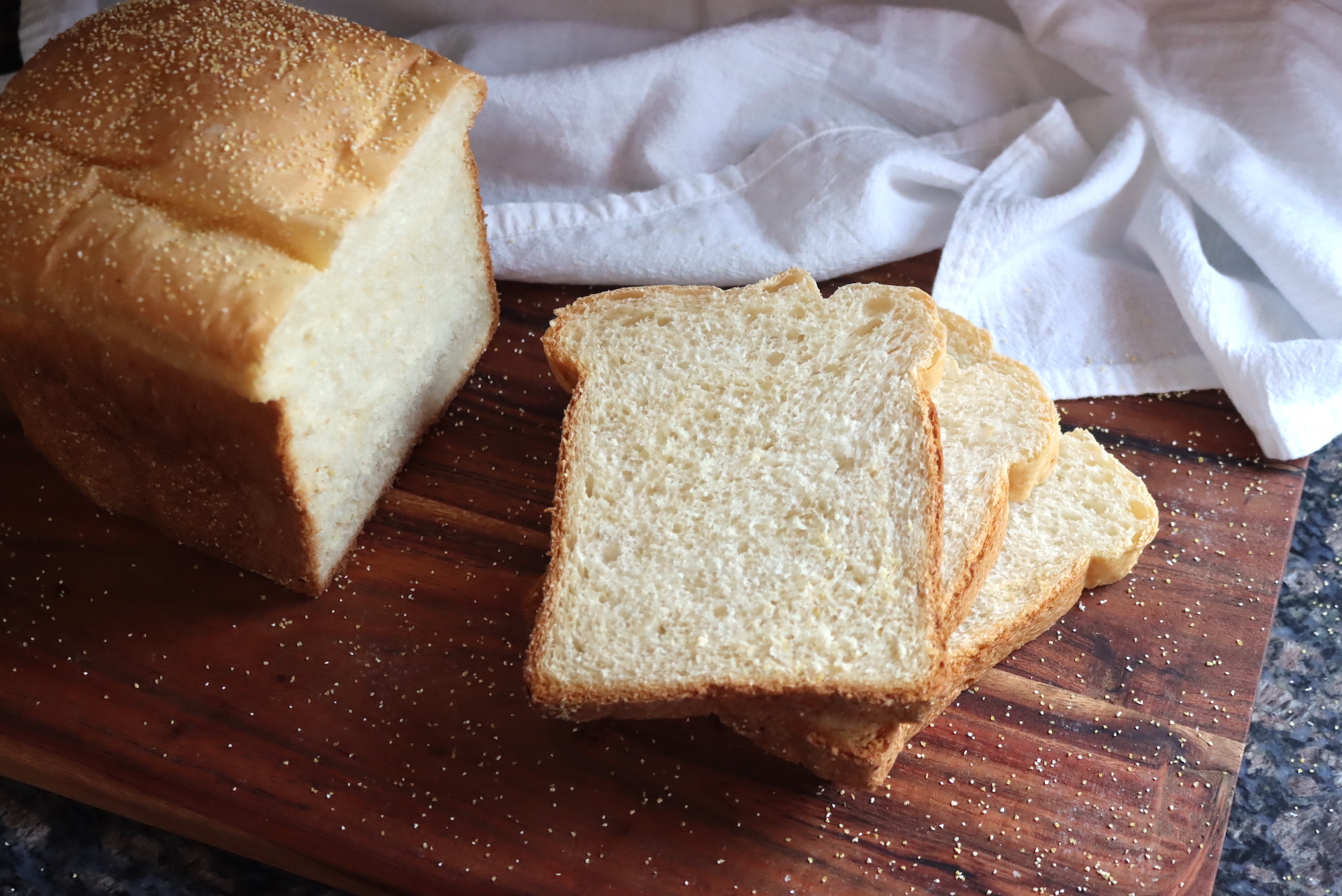
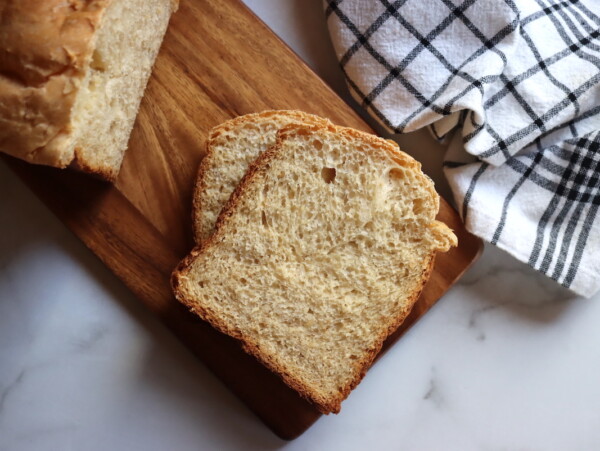
English muffin bread is one of those recipes that sounds fussy but is actually one of the easiest sandwich loaves you can make in a bread machine. It has the same tangy flavor and open, holey crumb as classic english muffins, but you skip the part where you stand at the stove flipping muffin rings on a griddle. Sliced and toasted, it tastes nearly identical, and it’s perfect for everything you’d use english muffins for: butter and jam, eggs benedict, breakfast sandwiches, melts.
What makes this bread taste like english muffins (and not just plain white bread) are two unusual ingredients: a teaspoon of vinegar and a half teaspoon of baking powder. The vinegar gives the bread its slight tang, and the baking powder works alongside the yeast for the open, holey crumb that catches melted butter so well. Skip either and you’ll get a perfectly nice white bread, but not english muffin bread.
I’ve tested this in my Zojirushi Home Bakery Supreme and a Cuisinart bread machine; the recipe card has 2-pound and 1 1/2-pound amounts. See the Variations section below for whole wheat, cinnamon raisin, and dairy-free versions, or browse my full collection of bread machine recipes.
Why you’ll love this family favorite recipe!

I came to this recipe because we go through a lot of english muffins. My kids both love them for breakfast and for after-school snacks, and the store-bought ones disappear within days of buying them. Making real english muffins by hand (with the rings, the griddle, the flipping) is more work than I want to do on a Tuesday morning, so this loaf is the compromise: same taste, sandwich-loaf shape, and the bread machine does all the work. We slice it thick, toast it, and treat it exactly like a 1.5-pound english muffin. It fills the same slot in the week as a soft sandwich loaf like my Bread Machine Honey White Bread, but with a more breakfast-leaning personality. Even my husband, who is otherwise an english muffin purist, can’t tell the difference once it’s toasted.
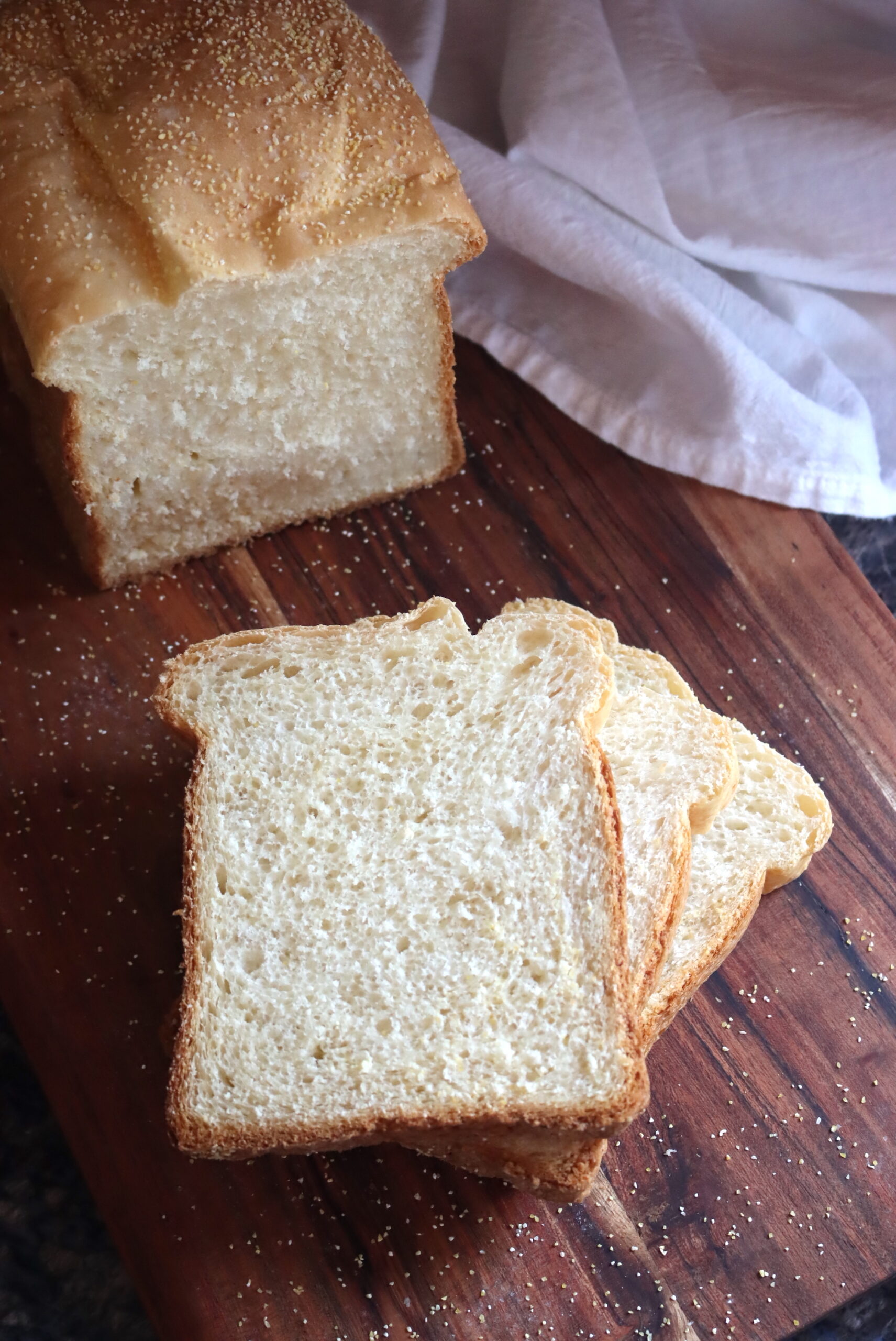
Quick Look at the Recipe
- Makes: 1 loaf, about 10 slices
- Active prep: 5 minutes (10 if you do the cornmeal step)
- Total time: about 3 hours (basic white cycle)
- Loaf size: 2 lb (1 1/2 lb amounts in recipe notes)
- Machine setting: Basic White cycle, light or medium crust
- Flour: 4 1/2 cups all-purpose flour (bread flour also works)
- Yeast: 2 3/4 tsp SAF instant yeast (also sold as bread machine yeast)
- Distinctive ingredients: 1 1/2 tsp vinegar + 3/4 tsp baking powder. These are what give it the english muffin character.
Ingredients for Bread Machine English Muffin Bread
The ingredient list looks like a typical sandwich bread plus two unusual additions: a small amount of vinegar (for tang) and baking powder (for open crumb). Both are essential to the english muffin character.
The recipe is written for a 2-pound loaf, the default on most modern bread machines, with 1 1/2-pound amounts in the recipe notes. To make a 1-pound loaf on a small machine, cut the 2-pound amounts in half. Add the ingredients in two batches: liquid first into the bottom of the pan, then dry on top.
- Apple cider vinegar (or white vinegar): Just 1 1/2 teaspoons, but it’s what gives english muffin bread its signature tang. Apple cider vinegar adds a slightly mellower flavor; white vinegar is sharper. Both work. Don’t substitute lemon juice; the flavor is different.
- Milk: Lukewarm. Whole, 2%, or skim all work. Non-dairy milk (almond, oat, soy) also works fine; one reader confirmed almond and oat milk both produce good results.
- Water: Lukewarm. The amount may need slight adjustment based on the humidity of your kitchen and the absorbency of your flour; see the kneading step below.
- Butter: Cut into pieces or melted; both work. The bread machine handles either. Vegetable oil or any neutral oil (canola, grape seed, avocado oil, etc.) substitutes 1:1.
- Sugar: A small amount feeds the yeast and helps the crust brown.
- Salt: Essential for flavor and yeast regulation.
- Baking powder: The other secret ingredient (along with vinegar). Works alongside the yeast to create the open, holey crumb that english muffin bread is known for. Don’t skip; without it, you’ll get a normal sandwich bread.
- All-purpose flour: All-purpose works well here. King Arthur All-Purpose is what I use most often. Bread flour also works and gives a slightly chewier loaf.
- SAF instant yeast: SAF instant yeast is what I use. Bread machine yeast is the same product. For active dry yeast, add 1/2 tsp extra and dissolve in the water for 10 minutes before starting.
- Cornmeal (optional): For dusting the loaf before the final rise, to mimic the cornmeal coating on traditional english muffins. See the Recipe Tips for how to add this.
Flour notes: All-purpose is the right choice here for the soft, slightly tender crumb that english muffin bread should have. Bread flour works and gives a slightly chewier result if you prefer that. If your dough looks dry during the first minutes of kneading, drizzle in 1 tablespoon of water at a time. The water amount can vary based on humidity and the absorbency of your particular flour.
For yeast, SAF instant yeast and bread machine yeast are the same product, placed in a well on top of the flour with the dry ingredients. If you only have active dry yeast, use 3 1/4 tsp instead of 2 3/4 tsp and dissolve in the water for 10 minutes before starting.
How to Make Bread Machine English Muffin Bread
Set it and walk away, with one optional fancy step at the end (the cornmeal coating) for that authentic english muffin look.
Step 1. Add the liquid ingredients to the bread pan first. Vinegar, then milk, then water, then the butter (cut into pieces or melted).
Step 2. Add the flour on top of the liquid, covering it completely. Think of the flour as an island floating on top of the liquid. The yeast needs to stay dry until the machine starts kneading.
Step 3. Make a small well in the flour. Add the sugar, salt, and baking powder around the edges, and the yeast in the center. Keep the salt and yeast from touching directly.
Step 4. Select the Basic White cycle and light or medium crust. Press start.
Step 5. Watch the first 2 to 3 minutes of kneading. The dough should form a smooth ball that pulls away from the sides. If it looks dry, drizzle in 1 tablespoon of water at a time. If it’s stuck to the sides, add 1 tablespoon of flour at a time. English muffin bread dough is slightly stickier than typical sandwich dough; that’s normal.
Step 6. Optional: cornmeal coating. If you want the authentic cornmeal-dusted english muffin look, you can either roll the dough in cornmeal after the last knead and before the final rise (see Recipe Tips for timing), or simply sprinkle 1 to 2 tablespoons of cornmeal on top of the dough during the final rise. The simpler sprinkle method gives most of the visual effect with no fuss.
Step 7. Remove when the bake cycle finishes. Turn the loaf out onto a wire rack and let it cool completely before slicing, ideally at least 1 hour. The crumb sets as it cools; cutting warm tears the open holey structure that gives this bread its character.
Recipe Tips
Eat it toasted. Like real english muffins, this bread really comes alive when toasted. The open crumb crisps up beautifully and creates the perfect surface for melted butter, jam, or any breakfast topping. Untoasted, it’s still good but doesn’t have the same character.
Knowing when the second rise is happening: on most machines the kneading happens in the first 30 to 40 minutes (you can hear the paddle), then the dough rises quietly for about an hour, then the machine punches down briefly, rises again for about 45 minutes, and bakes for the last hour. So roughly: kneading first 30 to 40 minutes, baking last 60 minutes, and rising in the middle. The cornmeal step (if you want to do it) happens right after the final punch-down, about an hour before the cycle ends.
For the most authentic cornmeal coating: after the final punch-down (about an hour before the bake cycle ends), open the lid and gently roll the dough top in 1 to 2 tablespoons of cornmeal, pressing lightly so it sticks. Or just sprinkle cornmeal on top of the dough during the final rise. The roll method gives all sides a coating; the sprinkle method only coats the top, which is enough for most purposes.
Watch the dough during the first 2 to 3 minutes of kneading. The water amount in this recipe is sensitive to humidity and the brand of flour. If the dough looks dry, add water 1 tablespoon at a time. If too wet, add flour the same way. For more rise and dough troubleshooting, see my Bread Machine Troubleshooting Guide.
Cool completely before slicing. Cutting warm tears the open crumb and the structure that makes this taste like english muffins. A full hour on a wire rack is worth the wait.
Variations
This recipe is the baseline for several easy variations. Each is a simple tweak from the base recipe:
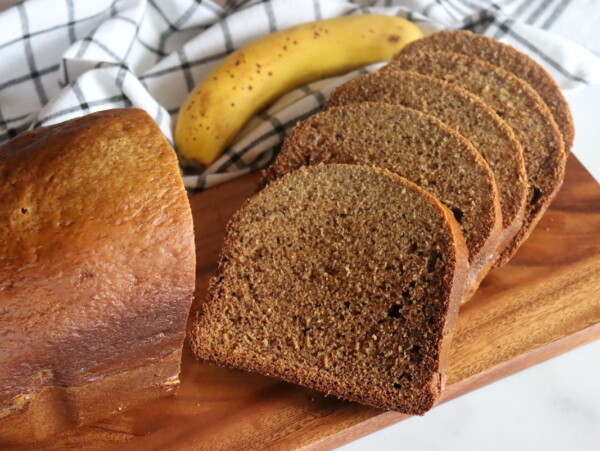
- Whole wheat english muffin bread: Replace 2 cups of the all-purpose flour with King Arthur Whole Wheat Flour (keep the other 2 1/2 cups as white). Add 1 to 2 tablespoons of extra water if the dough looks dry. The loaf will have a heartier flavor and slightly less open crumb. For a milder whole wheat flavor, use King Arthur Golden Wheat (white whole wheat) instead. For a fully whole wheat sandwich loaf without the english muffin character, see my Bread Machine Whole Wheat Bread.
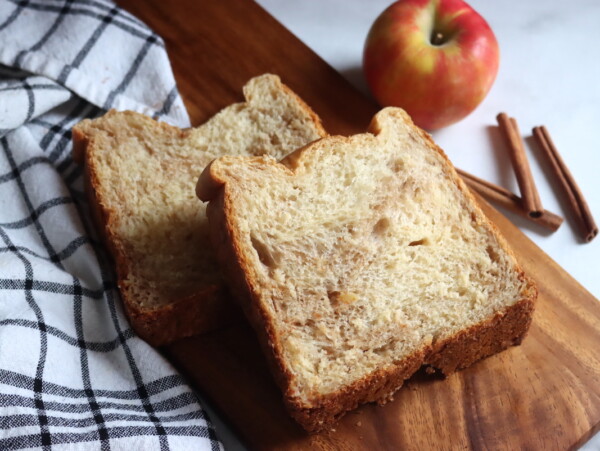
- Cinnamon raisin english muffin bread: Add 1 teaspoon of cinnamon to the dry ingredients with the flour, and add 1/2 cup of raisins at the mix-in beep about 20 to 30 minutes into the cycle. Excellent toasted with butter for breakfast. For a more classic cinnamon raisin loaf without the english muffin character, see my Bread Machine Cinnamon Raisin Bread.
- Dairy-free version: Use almond, oat, or soy milk in place of regular milk (1:1), and substitute the butter with olive oil or any neutral oil. Multiple readers have confirmed this works well.
- Sourdough english muffin bread: Replace 1/2 cup of the water with 1/2 cup of active sourdough starter (discard works too). Reduce the yeast to 1 tsp. The vinegar and baking powder still go in. The loaf will have a more pronounced tang.
- Knead in the machine, bake in the oven: Use the dough cycle. When it finishes, turn the dough into a greased 9×5 loaf pan, sprinkle with cornmeal, rise covered for 60 to 90 minutes until 1 inch above the pan rim, and bake at 375°F for 30 to 35 minutes until the internal temperature reaches 190°F. Cool completely before slicing.
- More breakfast-friendly bread machine recipes: Try my Bread Machine Cinnamon Raisin Bread, my Bread Machine Honey Oat Bread, my Bread Machine Maple Oat Bread, my Bread Machine Brioche for a richer breakfast loaf, or my Bread Machine White Bread for the most basic everyday loaf.
Delicious! Good when still slightly warm after baking, but really is great when toasted! Thanks for the recipe!
FAQs
The default recipe makes a 2-pound loaf. Use the 1 1/2-pound amounts in the recipe notes if you have a smaller machine. For a 1-pound loaf, cut the 2-pound amounts in half. The recipe is the same in all three sizes; just the proportions change.
Yes. Any milk works in this recipe, including non-dairy options like almond, oat, soy, or coconut milk. The flavor will be very slightly different (oat milk is the most neutral substitute), but the texture and rise are the same.
No. The butter can go in cold (cut into pieces) or melted; the bread machine handles either. Cutting cold butter into smaller pieces helps it incorporate faster, but melting works fine if you’d rather. Don’t use butter that’s still hot, since it can warm the dough and affect the rise.
Both are what give english muffin bread its distinctive character. The vinegar adds the slight tang that english muffins are known for, and the baking powder works alongside the yeast to create the open, holey crumb that catches butter and jam so well. Skip either and you’ll get perfectly nice white bread, but not english muffin bread.
4 to 5 days at room temperature in a bread bag or wrapped in a clean dish towel. This bread is best toasted, so day-2 and day-3 slices are excellent. Do not refrigerate; refrigeration speeds up staling. For longer storage, slice and freeze in a zip-top bag; frozen slices toast straight from the freezer.
Bread Machine Recipes
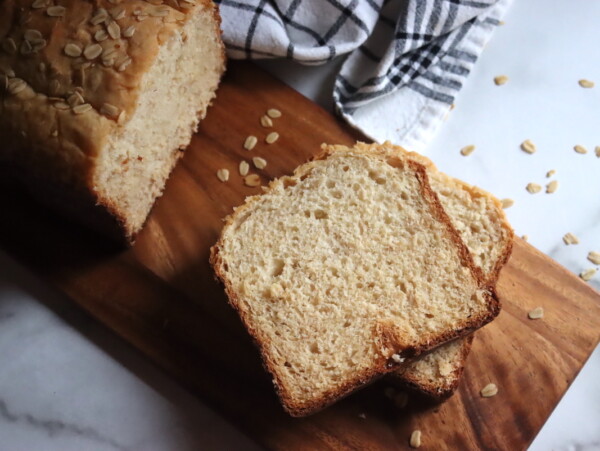
If you tried this Bread Machine English Muffin Bread recipe, or any other recipe on Adamant Kitchen, leave a ⭐ star rating and let me know what you think in the 📝 comments below!
And make sure you stay in touch with me by following on social media!
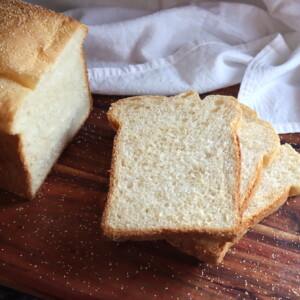
Bread Machine English Muffin Bread
Ingredients
Liquid Ingredients (add first):
- 1 1/2 tsp apple cider vinegar, or white vinegar
- 1 1/4 cups milk, lukewarm
- 1/3 cup water, see notes
- 2 1/2 Tbsp butter, cut into pieces or melted
Dry Ingredients (on top of wet):
- 4 1/2 cups All Purpose Flour, or bread flour
- 2 tsp sugar
- 2 tsp salt
- 3/4 tsp baking powder
- 2 3/4 tsp SAF instant yeast, or 3 1/4 tsp active dry yeast
Optional:
- 1 to 2 Tbsp cornmeal for coating, added during the final rise; see notes
Instructions
- Add liquid ingredients to the bread pan first: vinegar, milk, water, butter.
- Add the flour on top, covering the liquid completely.
- Make a small well in the flour. Place the sugar, salt, and baking powder around the edges, and the yeast in the center.
- Select the Basic White cycle, light or medium crust setting.
- Press start. Watch the first 2 to 3 minutes of kneading. The dough should form a smooth ball; it will be slightly stickier than typical sandwich dough. Add 1 tablespoon of water if dry, or 1 tablespoon of flour if wet.
- Optional cornmeal coating: about 1 hour before the cycle ends (after the final punch-down, during the second rise), open the lid and either sprinkle cornmeal on top of the dough or gently roll the dough in cornmeal, then return to the machine.
- Let the machine complete the cycle.
- Remove the loaf onto a wire rack. Cool completely (at least 1 hour) before slicing. Best toasted.
Notes
- 1 tsp apple cider vinegar (or white vinegar)
- 1 cup (240 ml) milk, lukewarm
- 1/4 cup (60 ml) water, see below
- 2 Tbsp (28 g) butter, cut into pieces or melted
- 3 1/2 cups (420 g) all-purpose flour
- 1 1/2 tsp sugar
- 1 1/2 tsp salt
- 1/2 tsp baking powder
- 2 1/4 tsp (7 g) SAF instant yeast (also sold as bread machine yeast)
- SAF instant yeast or bread machine yeast: 2 3/4 tsp (2-pound) / 2 1/4 tsp (1 1/2-pound). Same product, interchangeable 1:1.
- Active dry yeast: add 1/2 tsp extra and dissolve in the water for 10 minutes before starting. Not compatible with the delay timer.
Nutrition
Nutrition information is automatically calculated, so should only be used as an approximation.
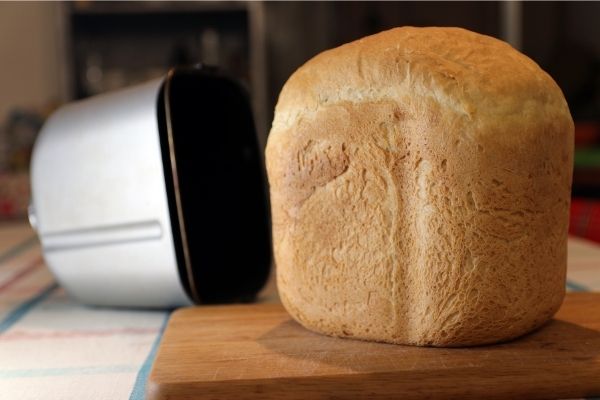
50+ Bread Machine Recipes
Bread machine recipes can be hard to find, as bread makers were most popular before the internet became a thing. …
Find the perfect recipe
Searching for something else? Enter keywords to find the perfect recipe!
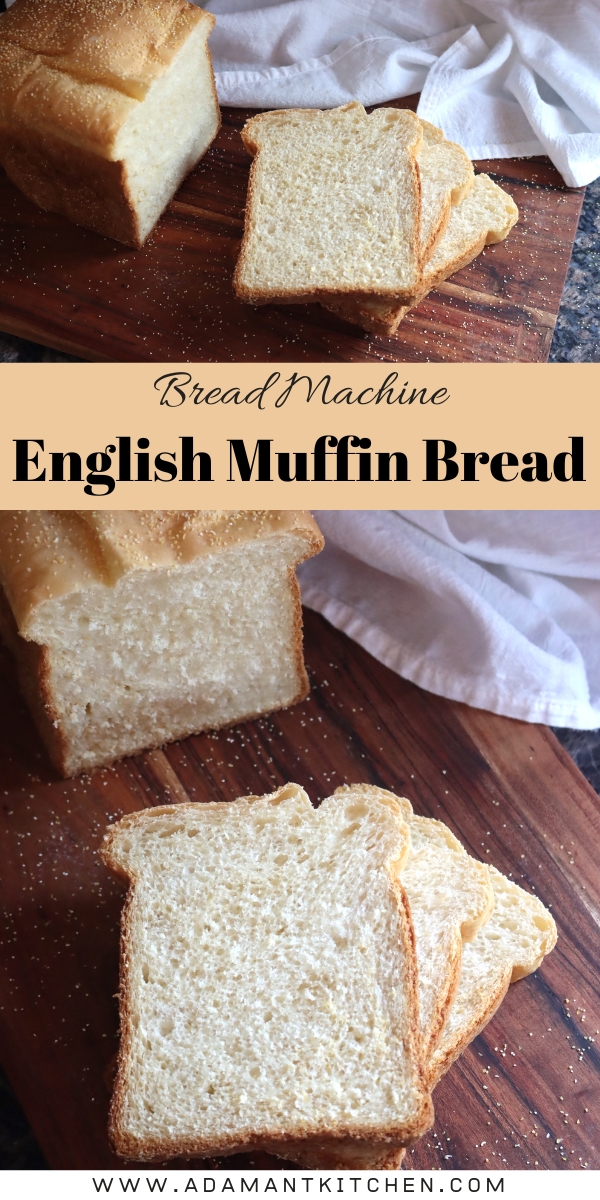
The loaf’s crumb is fantastic and the taste is delicious. The best bread machine recipe ever!!!
So glad you like it!
Best way to store this bread?
Keep it at room temperature in a bread bag or wrapped in a clean dish towel, and it’ll last 4 to 5 days. Skip the fridge, since refrigerating bread actually makes it go stale faster. For longer storage, slice it and freeze the slices in a zip-top bag. They toast right from the freezer. Enjoy!
Delicious! Good when still slightly warm after baking, but really is great when toasted! Thanks for the recipe!
Can I use almond or oat milk instead of regular milk?
Yup, any milk works fine, even milk substitutes.
The recipe for a 2lb. loaf calls for 9 cups of flour. Is this correct or is it a typo?
Thanks,
Fred
The recipe as it is written in the recipe card is for a 2 pound loaf (with 4 1/2 cups flour). I assume you’re doubling that?
1