This post may contain affiliate links. Please see our disclosure policy.
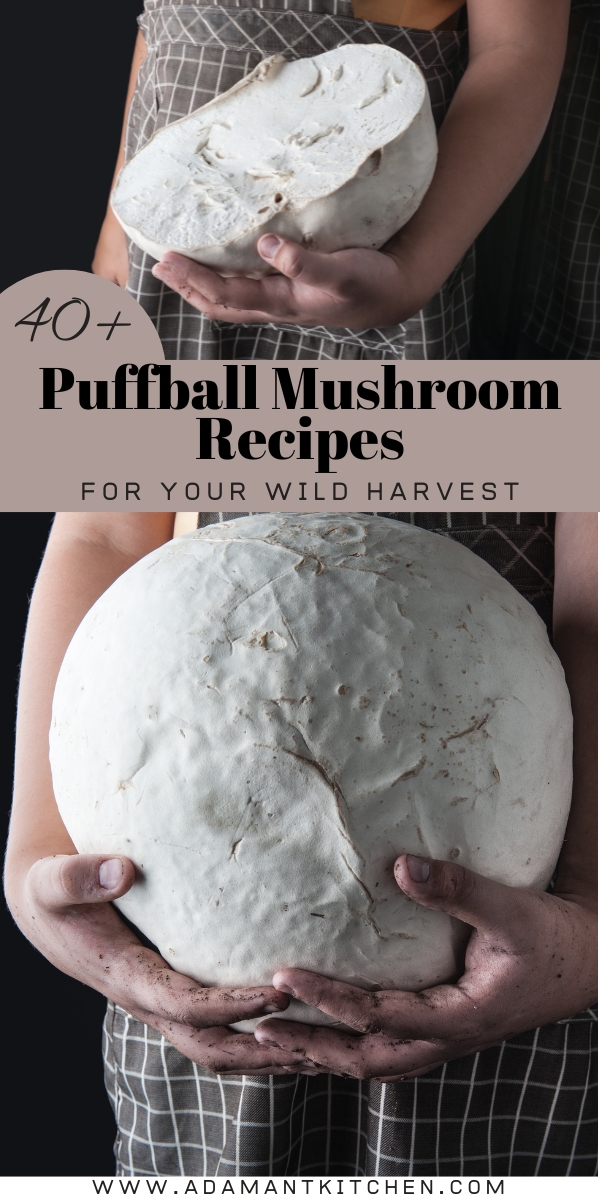
Puffball mushroom recipes can turn a chance find into a wonderful dinner, and they’re often big, so you might get to try multiple from one mushroom. Wild puffball mushrooms pop up in lawns and pastures in late summer, and their round white tops stand out across a field. The small ones fry up golden in butter or simmer into soup, and giant ones slice into thick steaks.
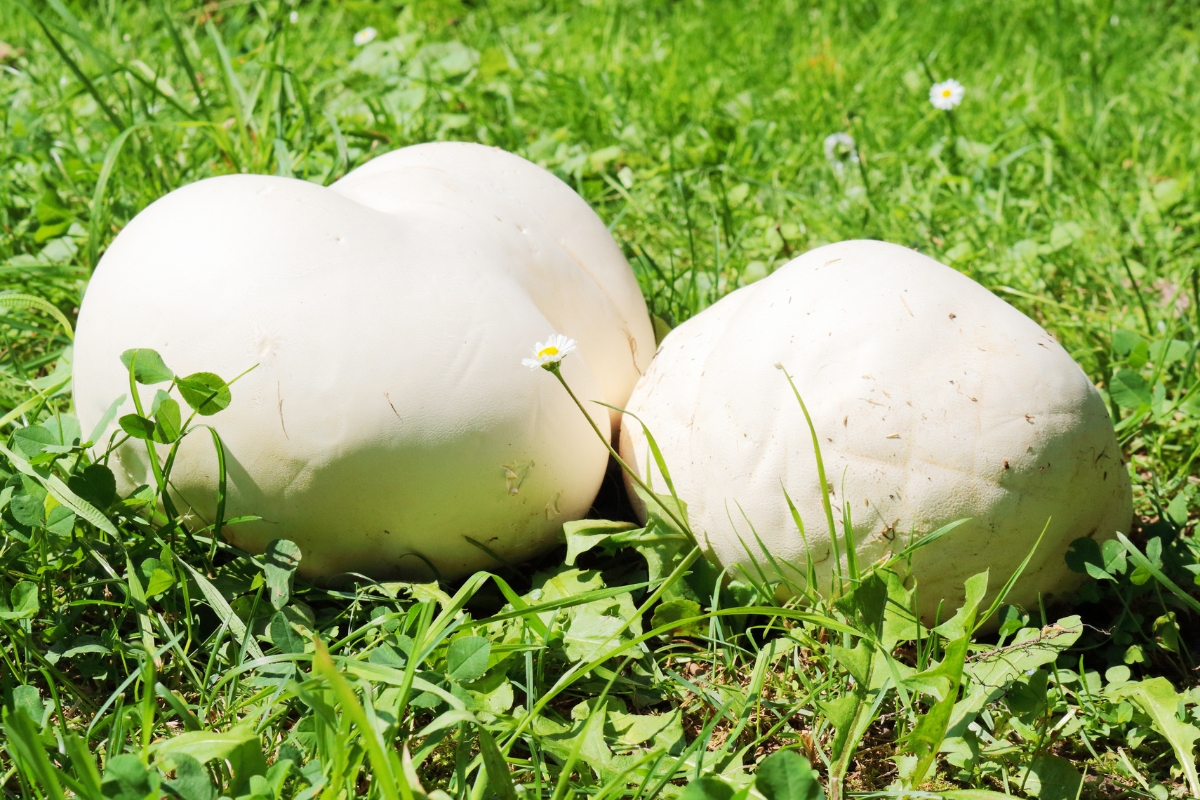
Table of Contents
- What Are Puffball Mushrooms?
- How Do Puffball Mushrooms Taste?
- Notes from My Kitchen
- Choosing and Harvesting Puffballs
- Cleaning and Storing Puffballs
- Puffball Mushroom Recipes
- Grilled and Sautéed Puffballs
- Puffball Soups and Sauces
- Puffball Breakfast Recipes
- Puffball Main Dishes
- Puffball Pasta Recipes
- Puffball Snacks and Appetizers
- Cooking with Puffball Powder
- Preserving Puffball Mushrooms
- Puffball Mushroom Recipes FAQs
- More Wild Mushroom Recipe Roundups
My daughter found one of our puffball patches when she was 3. She’d been foraging with me for about a year by then, and she was always excited to learn a new mushroom.
Puffballs make a good first wild mushroom, and for the most part, they’re easy to identify. Before you pick one, read up on foraging puffball mushrooms so you know the look-alikes, then try a few more from my list of beginner-friendly wild mushrooms.
Giant puffballs get most of the attention, since one can feed a whole family. The smaller kinds cook up every bit as well, and they’re a lot more common.
What Are Puffball Mushrooms?
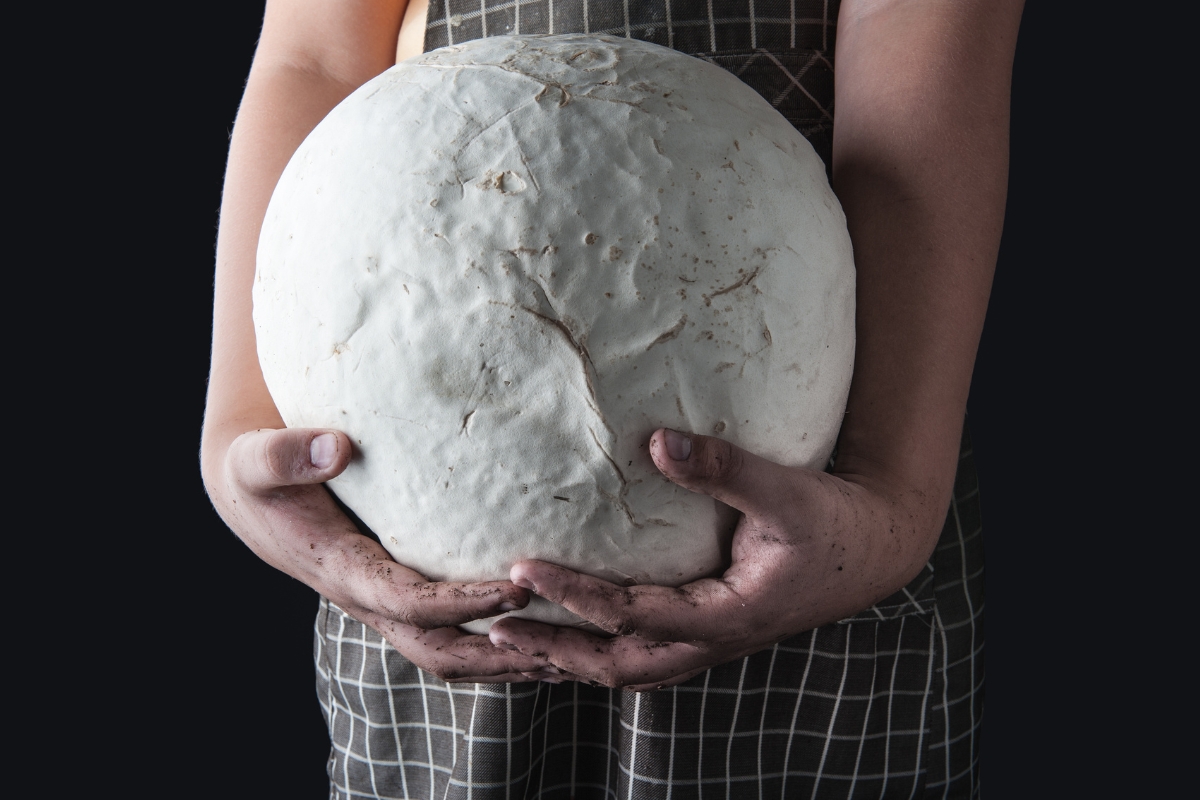
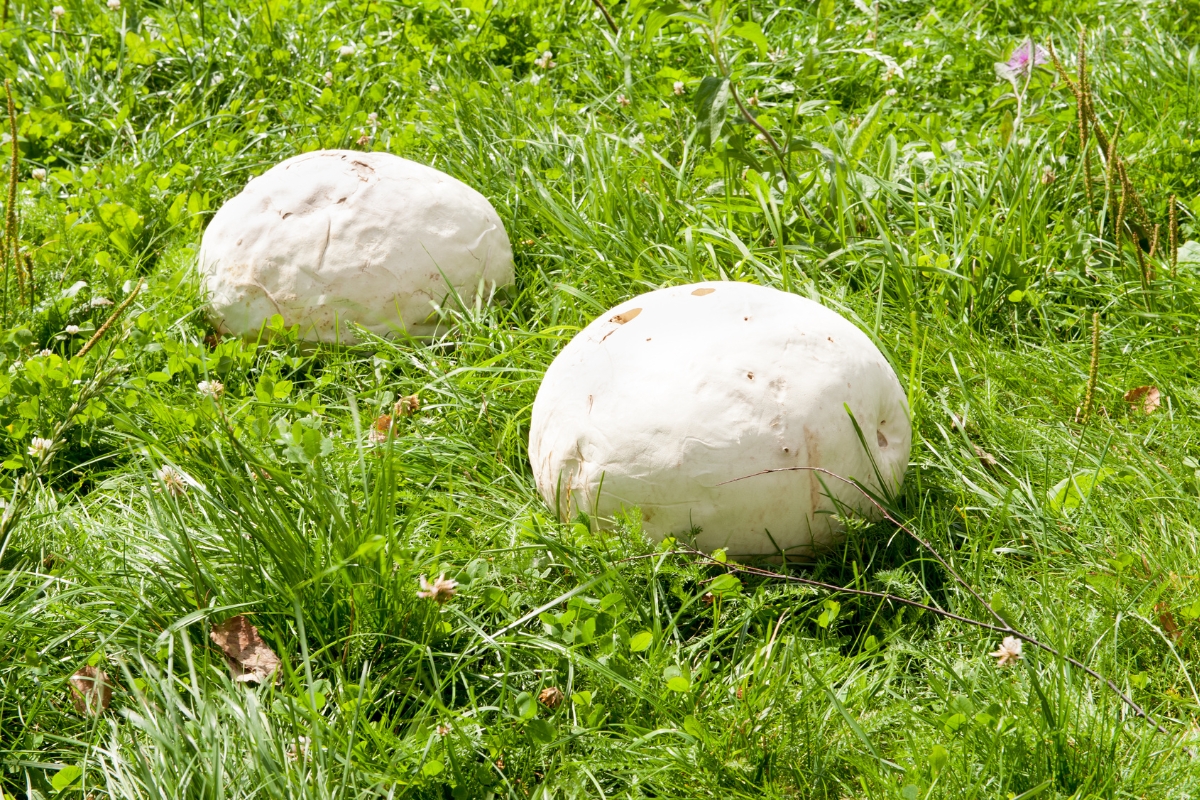
Puffballs are round mushrooms with no cap, no gills, and no real stem. Instead of dropping spores from gills, the whole inside of the mushroom turns into spores as it ages.
The giant puffball, Calvatia gigantea, can grow larger than a soccer ball. Smaller edible puffballs in the genus Lycoperdon are often closer to the size of a golf ball, and they turn up in open woods, along trails, and in disturbed ground.
Giant puffballs grow on the ground in lawns, pastures, meadows, and open woods, not on wood. Look for them from late summer into fall, along with the other mushrooms to forage in fall.
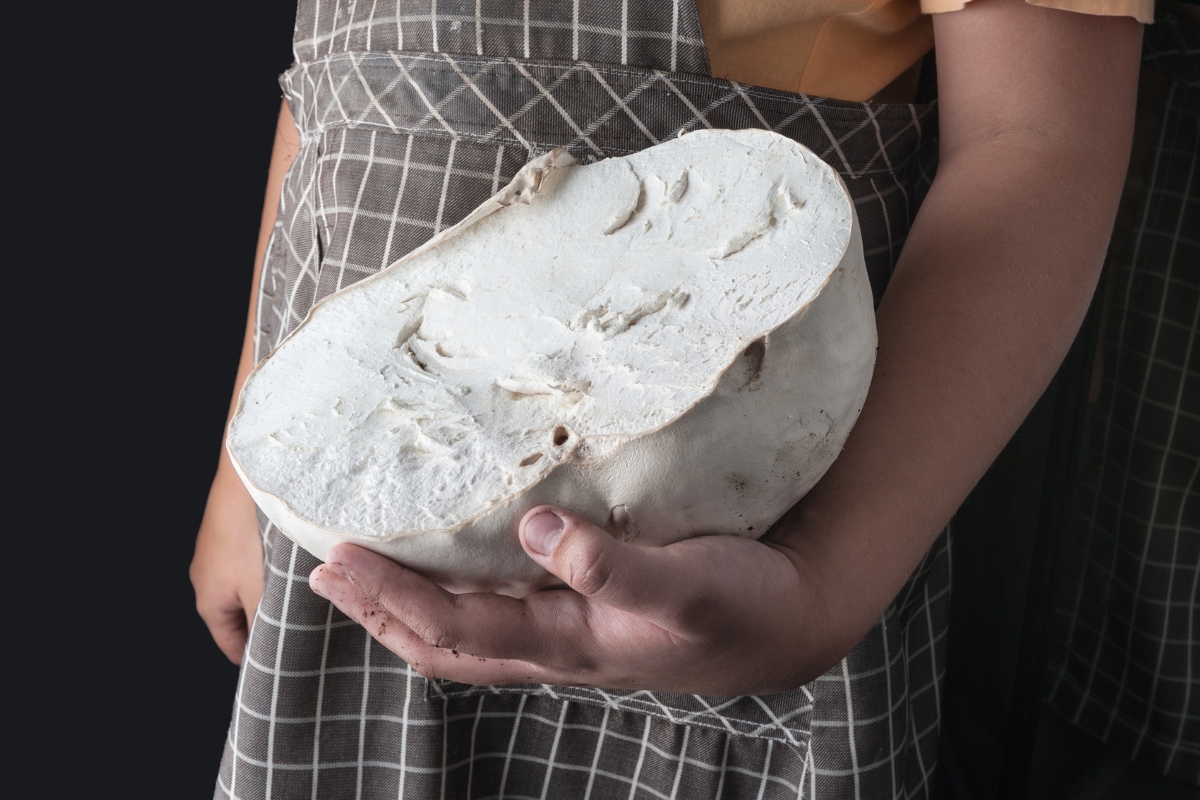
An edible puffball is pure white and firm inside, like a fresh marshmallow. Once the inside turns yellow, olive, or brown, it’s turning to spores and it’s past eating.
How Do Puffball Mushrooms Taste?
Puffballs taste mild and a little earthy, with a soft, spongy texture a lot like tofu. They don’t have the strong woodsy flavor of a morel or a chanterelle.
That mild flavor makes them easy to cook with. They soak up butter, garlic, herbs, and sauce, and a hot pan browns the outside while the inside stays tender.
If you love a rich mushroom dish like my chanterelle risotto, try puffballs in risotto, too. They make a milder, creamier version.
Notes from My Kitchen

Most of the puffballs I find are small ones, so I usually just cube them up and add them to whatever I’m cooking. The kids will happily eat them breaded and fried like French fries. And when we find old ones that have gone to spores, my daughter loves to stomp on them and send the spores flying for next year.
If you find giant puffballs, they work great in steaks, pizza crusts, and lasagna noodles. Small ones work anywhere a recipe calls for diced puffball, as long as they’re still white inside.
Choosing and Harvesting Puffballs
Slice every puffball in half from top to bottom before you eat it. A young Amanita can look like a small puffball, but cut open, it shows the outline of a cap, gills, and stem inside. An edible puffball is solid white all the way through.
Leave behind anything with a thick, tough rind and a firm inside with purple or black marbling, too. That’s likely a poisonous earthball (Scleroderma), and even a young one has that thick rind.
Choose puffballs that feel firm and heavy, and check the bottom where they sit in the grass. Bugs usually get in from there, so if there are only a few, trim off the bottom and keep the rest.
A mesh mushroom bag keeps your finds from bruising on the walk home, and loose dirt falls out through the mesh. If you’re new to wild mushrooms, have an experienced forager check what you’ve picked.
Cleaning and Storing Puffballs
Brush off any dirt before you slice them. The skin on a young puffball is thin and fine to eat, but you can peel it if it feels tough.
Puffballs don’t keep long, so refrigerate them as soon as you get home and cook them within a few days. I forgot about a few once, and they all turned to spores.
I always recommend cooking puffballs thoroughly. Like other wild mushrooms, they’re harder on the stomach raw.
Puffball Mushroom Recipes
These puffball mushroom recipes cover grilled slices, soups, breakfast, hearty dinners, pasta, snacks, and baking with puffball powder.
If you’ve got more puffballs than you can eat this week, dry or freeze the extras. Frozen puffball works in soups and sauces, and dried puffball powder goes into gravy and baking all winter.
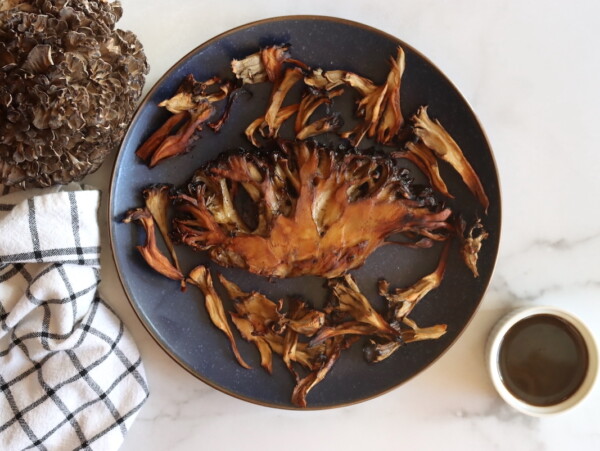
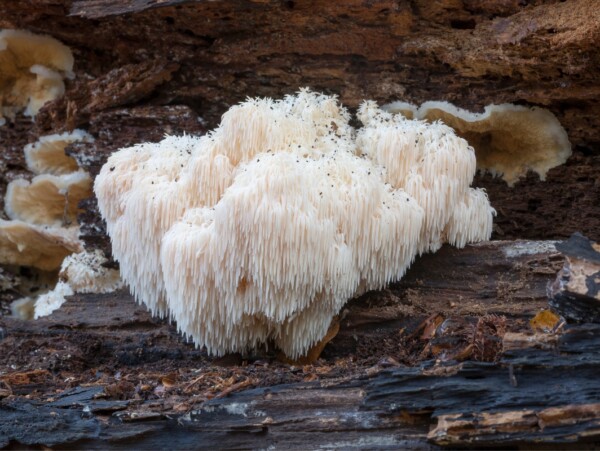
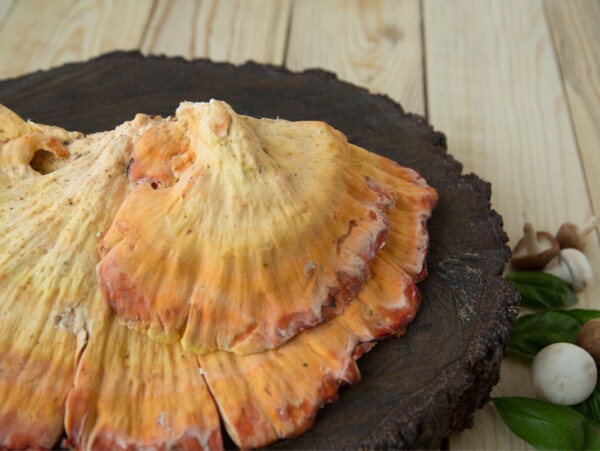
When puffball season winds down, there are more wild mushrooms to cook. My lists of maitake mushroom recipes, lion’s mane mushroom recipes, and chicken of the woods recipes are a good place to start.
Grilled and Sautéed Puffballs
A large puffball cuts into thick slabs that grill a lot like eggplant. Brush them with oil or butter so the outside browns while the inside stays tender.
There’s a rosemary and garlic version, grilled puffball bruschetta, a simple sauté, and warm puffball bites with pumpkin seeds and miso dressing.
- Grilled Puffball with Rosemary and Garlic
- Grilled Puffball Bruschetta
- Sautéed Giant Puffball Mushrooms
- Warm Puffball Bites with Pumpkin Seeds and Miso Dressing
Puffball Soups and Sauces
Puffballs blend into silky soups, and a small one is plenty for a pot. One of these pairs puffball with black trumpets, another wild mushroom.
The curry sauce is a quick side for meat, and the caramelized puffball puree goes into soups, sauces, and compound butter.
- Puffball Mushroom Soup
- Puffball and Black Trumpet Mushroom Soup
- Puffball Mushroom Curry Sauce
- Caramelized Puffball Puree
Puffball Breakfast Recipes
Diced puffball cooks quickly in butter, so it’s an easy addition to breakfast.
There are scrambled eggs with puffballs, an omelette, a frittata, and a crustless puffball pie.
- Scrambled Eggs with Wild Puffball Mushrooms
- Giant Puffball Mushroom Omelette
- Giant Puffball Frittata
- Easy Crustless Puffball Pie
Puffballs also make breakfast on their own. Thick slices stand in for bread in the French toast, and a breaded version comes with chickpeas, chorizo, and feta.
Puffball Main Dishes
A giant puffball is big enough to slice into a burger patty, a cutlet, or even a pizza crust. That’s how the burgers, the puffball Parmesan, and the pizza use it.
The gratin layers puffball with squash and goat cheese, and it bakes up a lot like a casserole.
- Puffball Mushroom Burgers
- Puffball Mushroom Parmesan
- Giant Puffball Mushroom Crust Pizza
- Puffball and Squash Gratin with Goat Cheese
Smaller puffballs go straight into the pan. They’re stir-fried with pork in a spicy Thai sauce, simmered in risotto and curry, and used in place of tofu in mapo.
- Stir-Fried Spicy Thai Puffball Mushroom with Pork
- Puffball Risotto
- Puffball Mushroom Curry
- Mapo Mushroom with Giant Puffball
Puffball Pasta Recipes
Puffballs soak up sauce, so they’re right at home in pasta. Large slices can even stand in for lasagna noodles.
There are two lasagnas, one of them vegan with pumpkin, plus lamb and puffball cannelloni.
- Puffball Mushroom Lasagna
- Vegan Puffball Mushroom Pumpkin Lasagna
- Lamb and Puffball Mushroom Cannelloni
For a quicker dinner, chop the puffball into a sauce. There’s a fresh puffball ragu, a creamy fettuccine Alfredo, and puffball ravioli with sage butter.
- Fresh Puffball Mushroom Ragu Sauce
- Creamy Puffball Mushroom Fettuccine Alfredo
- Puffball Ravioli with Mushrooms and Sage Butter
Puffball Snacks and Appetizers
Puffballs make good party food, especially fried. There are puffball mozzarella sticks, Parmesan puffballs, schnitzels, and cheese-stuffed puffballs.
Schnitzels are thin breaded cutlets, and they’re good with a little mayonnaise for dipping.
- Puffball Mushroom Mozzarella Sticks
- Parmesan Puffballs
- Puffball Schnitzels
- Puffball Mushrooms Stuffed with Cheese
For a snack board, puffball hummus and puffball caviar spread nicely on crackers or little toasts. For the jerky, you slice, marinate, and dry the puffball, so it travels well.
Cooking with Puffball Powder
Dried puffball grinds into a fine powder, sometimes called puffball flour. It adds savory mushroom flavor to gravy, sauces, and baked goods.
Use it in the mushroom gravy, the Parmesan Alfredo sauce, a from-scratch green bean casserole, or Parisienne gnocchi.
- Dried Puffball Mushroom Gravy
- Puffball Parmesan Alfredo Sauce
- Puffball Powder Green Bean Casserole
- Puffball Parisienne Gnocchi
Puffball powder goes into the dock seed crackers, the savory mushroom puffs, and a puffball bratwurst. If you gather your own dock seed, you can grind it into flour for the crackers, too. Start with my guide to foraging dock seeds.
Preserving Puffball Mushrooms
Cooked puffballs keep 3 to 4 days in the fridge, so for anything longer, dry them or freeze them.
Dried slices keep for months in a jar, and they grind into powder for gravy, sauces, and baking. They dry well in a food dehydrator or a low oven.
Freezing softens the texture, so frozen puffballs are better in soups and sauces than as slabs. Cook them first, then freeze them in a single layer and bag them.
- How to Dehydrate Mushrooms
- 10+ Ways to Preserve Mushrooms
- Dried Puffball Powder
- Dehydrating Puffball Mushrooms in an Oven
A Note on Wild Mushroom Identification
Puffballs are one of the easier wild mushrooms to recognize, but every wild mushroom deserves a careful look before it goes in the pan. Never eat a wild mushroom unless you’re completely sure what it is.
If you’re new to foraging, go out with an experienced forager or a local mushroom club the first few times. Check each new find against at least two good mushroom field guides or regional sources, and when in doubt, throw it out. To learn more about identifying wild foods, the Herbal Academy’s Foraging Course is a good place to start.
Once you’re sure of an identification, try a small, well-cooked portion the first time you eat any wild mushroom. A few people react to mushrooms that most folks eat without any trouble.
Puffball Mushroom Recipes FAQs
Readers ask whether puffballs are safe to eat, how to tell a good one, whether they need cooking, and how long they keep.
Yes, true puffballs are edible while they’re young and pure white inside. Once the inside turns yellow, olive, or brown, they’re turning to spores and are no longer good to eat.
Slice it in half from top to bottom. An edible puffball is solid white all the way through. A young Amanita shows the outline of a cap, gills, and stem inside, and an earthball has a thick, tough rind and a firm inside that turns marbled purple or black.
Cook them all the way through instead. Like other wild mushrooms, raw puffballs are more likely to upset your stomach, and cooking brings out their mild, earthy flavor.
Fresh puffballs are best used within a few days. Cooked puffballs keep 3 to 4 days in the fridge, and you can dry or freeze them for longer storage.
More Wild Mushroom Recipe Roundups
Hen of the woods, lion’s mane, and chicken of the woods are three more wild mushrooms that beginners can learn to recognize.
Did you find this list of puffball mushroom recipes helpful? Tell me in the 📝 comments below what you make with your puffball harvest, and if there’s a recipe you’re looking for that you don’t see, leave me a note and I’ll see what I can find for you. I’m here to help!
And make sure you stay in touch with me by following on social media!
Find the perfect recipe
Searching for something else? Enter keywords to find the perfect recipe!