This post may contain affiliate links. Please see our disclosure policy.
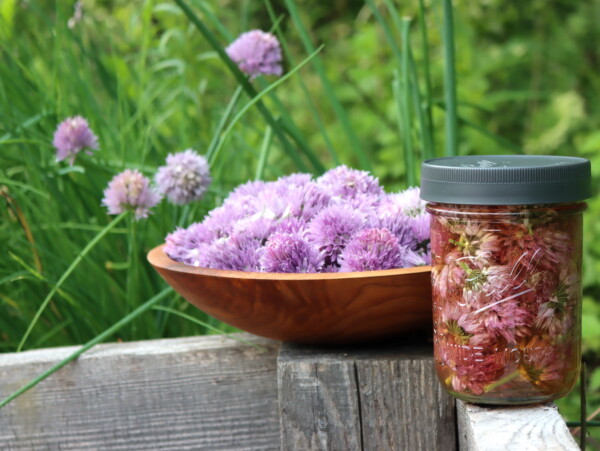
Chive blossom recipes are a fun way to use the purple flowers that pop up on your chives every spring. The blossoms taste like a mild onion, and they’re just as good on eggs and salads as they are in vinegar, gin or a savory jelly.

Table of Contents
- What Are Chive Blossoms?
- Choosing and Harvesting Chive Blossoms
- Preparing Chive Blossoms
- Notes from My Kitchen
- Chive Blossom Recipes
- Chive Blossom Salads
- Chive Blossom Soups
- Chive Blossom Egg and Breakfast Recipes
- Chive Blossom Pasta and Savory Dishes
- Preserving Chive Blossoms
- Chive Blossom Drinks
- Fried Chive Blossoms and Snacks
- Chive Blossom Breads, Biscuits and Butter
- Fermented and Pickled Chive Blossoms
- Chive Blossom Recipes FAQs
- More Edible Flower Recipe Roundups
Chives are one of those perennial herbs that come back every year, poking their green shoots up through the last of the snow. By late spring and early summer, round pink and purple blossoms open on top of the stems, and the bumblebees love them.
In our garden, the chives spill over the edges of the raised beds. Every spring I snip the blossoms for salads and homemade herbal vinegar.
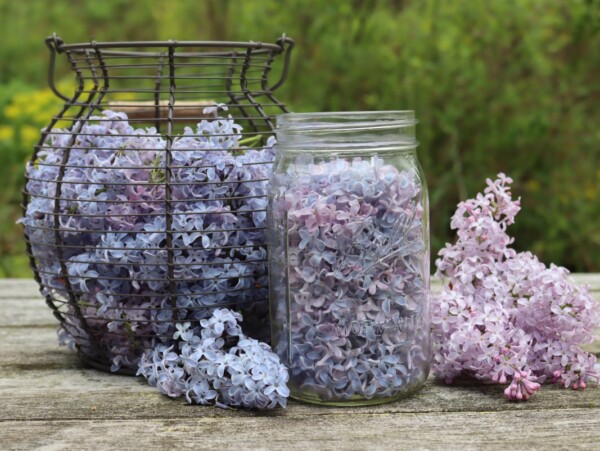
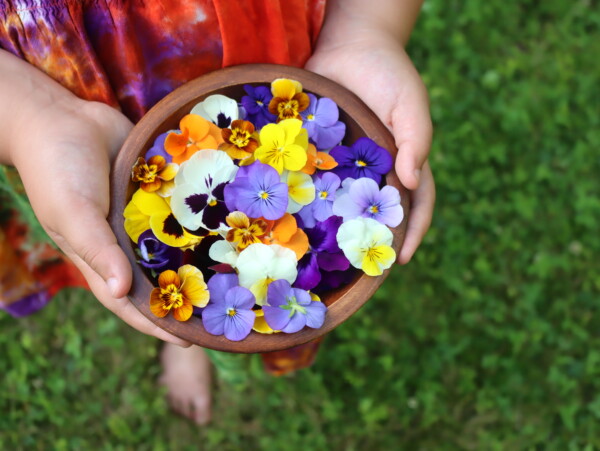
If you love cooking with flowers, try my pansy recipes and lilac recipes too, or browse my list of edible flowers.
What Are Chive Blossoms?
Chive blossoms are the flowers of common chives (Allium schoenoprasum), a close cousin of onions and garlic in the genus Allium. Both the leaves and the flowers are edible, and the flowers have the same mild onion flavor as the leaves, with a little garlicky bite.
European gardeners have grown chives for centuries, and cooks in China have used them for thousands of years.
Garlic chives (Allium tuberosum) are a different species, with flat leaves and white flowers that bloom in late summer. Their leaves and blossoms are edible too, with a stronger garlic flavor.
Chives are easy to grow and come back on their own every year. If you’d like a plant of your own, Stark Bro’s sells certified organic chive seeds.
Choosing and Harvesting Chive Blossoms
Pick chive blossoms as soon as they open, when their flavor is strongest. Older flowers fade and turn papery on the stem.
Snip them with a bit of stem attached and use them fresh, when they taste their strongest. You can dry extra blossoms, but they lose some flavor as they dry.
If you have a big patch, cutting the blossoms also keeps the plants from going to seed and spreading all over the garden.

Preparing Chive Blossoms
Swish the blossoms in a bowl of cool water to rinse off dust and any little bugs, then let them dry on a towel.
A whole blossom is strong, so for salads and eggs, pull the tiny florets apart and sprinkle them over the top. The flower stems are a bit stiffer than the leaves, so many cooks trim them off.
To air-dry chive flowers, spread them on a flat surface and toss them every few days. A dehydrator is faster, and either way, dry the flowers and the chopped leaves separately, since the flowers take longer.
Notes from My Kitchen

Every recipe on this list uses chive blossoms or the unopened buds. My own chive blossom vinegar is the first recipe in the preserving section.
Even if I never cooked with them, I’d still grow chives, because the bees love the flowers so much. Lucky for us, the blossoms are just as good in the kitchen, and a jar of chive blossom vinegar is how I save a little of spring for later.
Chive Blossom Recipes
These chive blossom recipes include salads, soups, eggs, pasta, preserves, drinks, fried snacks and breads. Tap or click a name to open the recipe.
If you’re not sure where to start, sprinkle a few florets over scrambled eggs or a salad. Once you’ve tried them, make a jar of vinegar or jelly to save some for later in the year.
Chive Blossom Salads
Chive blossoms add a mild onion bite and a pop of purple to summer salads. Pull the florets apart and scatter them over greens, tomatoes, beets or potatoes.
The vinaigrette blends chive blossoms with vinegar and raw honey, and it’s lovely on spring greens.
- Honey and Chive Blossom Vinaigrette
- Chive Blossom Salad with Pickled Carrots and Goat Cheese
- Heirloom Tomato and Chive Flower Salad
Beets and new potatoes both pair well with the blossoms, and the potato salad adds spring radishes. My German potato salad is another good one to top with a few florets.
Chive Blossom Soups
Creamy soups are a natural place for chive blossoms. A few florets on top add color and a fresh onion flavor to every bowl.
Asparagus and peas come in around the same time the chives bloom. For another spring soup, try my potato, leek and nettle soup with a sprinkle of blossoms on top.
- Asparagus Soup with Crème Fraîche and Chive Blossoms
- Creamy Potato Leek Soup with Chive Blossoms
- Green Pea Soup with Chive Flowers
- Creamy Chive Dumpling Soup
Chive Blossom Egg and Breakfast Recipes
Eggs and chives are a classic pair, and the blossoms work in all the same ways. Stir the florets into scrambled eggs, fold them into an omelet, or scatter them over eggs fried sunny side up.
For more egg ideas, try my duck egg recipes. Duck eggs are richer than chicken eggs, and they’re lovely with fresh herbs.
- Eggs with Chive Flowers
- Cheesy Chive Blossom Omelet
- Chive Blossom and Cheddar Scrambled Eggs
- Scrambled Eggs with Chicory and Chive Blossoms
The crepe parcels pair chive blossoms with pansies, and the quiche bakes them with spinach. For a quick breakfast, top toast with avocado or radishes and a few florets.
- Stuffed Chive Blossom and Pansy Crepe Parcels
- Spinach Quiche with Chive Blossoms
- Avocado Toast with Chive Blossoms
- Radish Toast with Chive Blossom Butter
Chive Blossom Pasta and Savory Dishes
Chive blossoms are lovely tossed into pasta, especially with something creamy like crème fraîche and a squeeze of lemon.
They also dress up simple vegetables. Blanched asparagus and blistered green beans both get a sprinkle of blossoms, and the green beans add apricots.
- Chive Blossom Pasta
- Capellini with Chive Blossoms and Crème Fraîche
- Asparagus with Sesame and Chive Blossoms
- Blistered Green Beans with Apricots and Chive Blossoms
Chive buds can be a dish of their own. Snip a few stems before the flowers open, and stir-fry the buds with the stems. The flatbread and the green garlic flan are two more savory ways to use the blossoms.
Preserving Chive Blossoms
Chives spread fast, so you may end up with more blossoms than you can use fresh. You can save them in vinegar, salt or oil, or dry them for winter.
My chive blossom vinegar turns a pretty pink as the blossoms steep, and it’s great in salad dressings and marinades. Fresh blossoms in oil are different: keep the oil in the fridge and use it within four days, or freeze it. There are more ideas for garden herbs in my guide to herbal vinegar.
Chive blossom jelly is a savory jelly that’s good with cheese and crackers, and there are more like it in my list of flower jelly recipes. Dried blossoms lose some flavor, but they’re handy for winter soups.

Chive Blossom Drinks
Chive blossoms make a savory infusion for gin or vermouth. That light onion flavor suits a Gibson, the martini that comes garnished with a cocktail onion.
The Chive to Five mixes the blossoms with yellow Chartreuse, lemon juice and apricot liqueur. For another garden-infused spirit, try my dandelion infused gin or my homemade herbal gin.
- Chive Blossom Gin and Vermouth Infusion
- Chive Blossom Gibson
- Chive to Five Cocktail
- Chive Blossom Martini
Fried Chive Blossoms and Snacks
Whole chive blossoms fry up crisp in a light batter. Tempura is the classic, but a simple fritter batter works too.
Serve them hot with a little salt or a dipping sauce.
For a party, mix chopped blossoms into a dip or a deviled egg filling, or press them into goat cheese with a drizzle of honey. The chive blossom crackers use whole wheat flour, and my sourdough discard crackers are another easy base for a cheese board.
- Chive Blossom Dip
- Chive Blossom Deviled Eggs
- Goat Cheese with Chive Flowers and Honey
- Chive Blossom Crackers

Chive Blossom Breads, Biscuits and Butter
You won’t find many sweet recipes with chive blossoms, but they’re great in savory baking. Knead them into bread dough or press them into focaccia before it bakes.
If you have a bread machine, my bread machine focaccia makes an easy base for a handful of blossoms.
- Chive Blossom Bread
- Heirloom Tomato and Chive Blossom Focaccia
- Chive Blossom Focaccia
- Flaky Chive Blossom Biscuits
The scones come two ways, with cheddar or with flax seed and spelt. Chive blossom butter is lovely on any of them, and if you find ramps in the spring, my ramp compound butter is another one to try.
Fermented and Pickled Chive Blossoms
Chive blossoms are a pretty addition to fermented vegetables. Add them to kimchi, tuck them into sauerkraut, or drop a few into a jar of pickled eggs.
Unopened chive buds can even stand in for capers when you brine them, a lot like my dandelion capers. If fermenting is new to you, my beginner’s guide to lacto-fermentation is a good first read.
- Fermented Chives
- Chive Blossom Kimchi
- Chive Blossom Vinegar Pickled Eggs
- Lacto-Fermented Wild Capers
Chive Blossom Recipes FAQs
Readers ask whether chive blossoms are edible, what they taste like, when to pick them and whether garlic chive flowers work too.
Yes. Both the leaves and the flowers of chives are edible. The blossoms taste like a mild onion with a little garlic, and you can eat them raw or cooked.
They taste like the leaves, with a mild onion flavor and a hint of garlic. A whole blossom is fairly strong, so most recipes pull the florets apart and scatter them.
Pick them as soon as they open in late spring or early summer, when their flavor is strongest. Older blossoms turn papery and dry.
Yes. Garlic chives have white flowers that bloom in late summer, and they’re edible too. They have a stronger garlic flavor than common chive blossoms, so use them a little more sparingly.
More Edible Flower Recipe Roundups
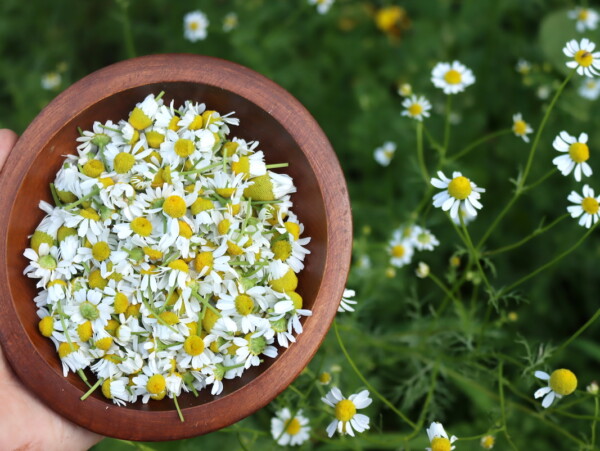
Lilacs, pansies and chamomile are three more garden flowers you can cook with.
Did you find this list of chive blossom recipes helpful? Tell me in the 📝 comments below what you make with your chive blossom harvest, and if there’s a recipe you’re looking for that you don’t see, leave me a note and I’ll see what I can find for you. I’m here to help!
And make sure you stay in touch with me by following on social media!
Find the perfect recipe
Searching for something else? Enter keywords to find the perfect recipe!