This post may contain affiliate links. Please see our disclosure policy.
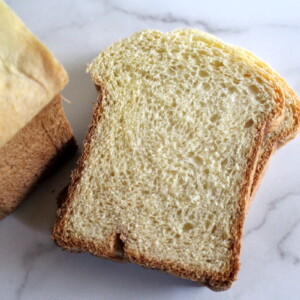
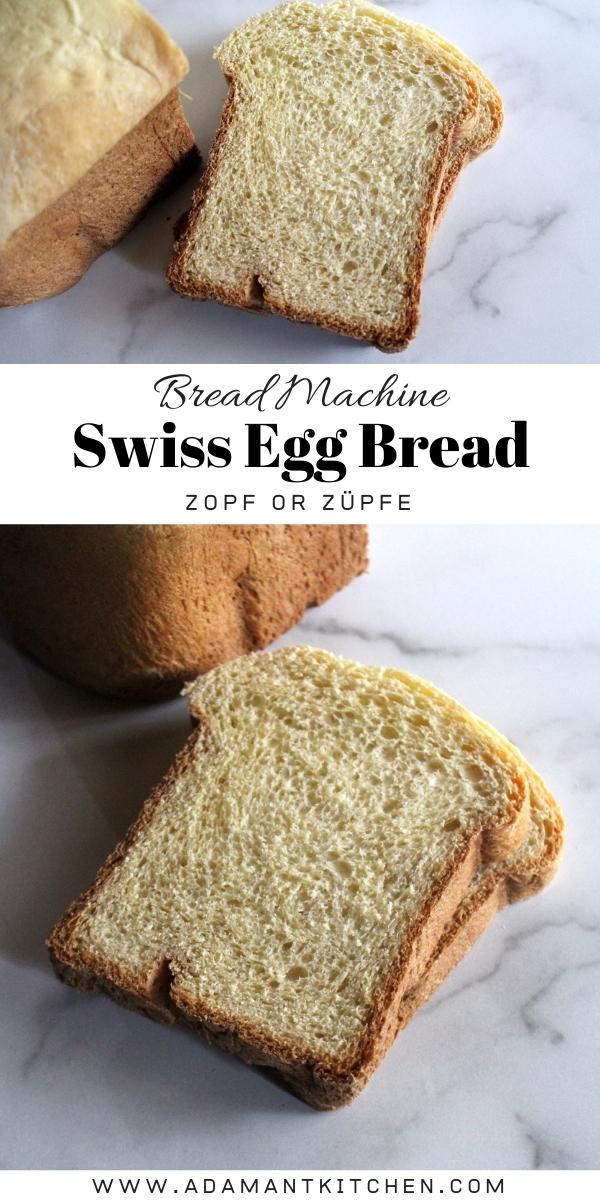
Bread machine zopf is a soft, fluffy Swiss egg bread with milk, butter, and a single whole egg. Lighter and less rich than challah, with a tender crumb that stays soft for days. Bake it directly in the bread machine pan, or use the dough cycle and braid it on a tray for the traditional shape.
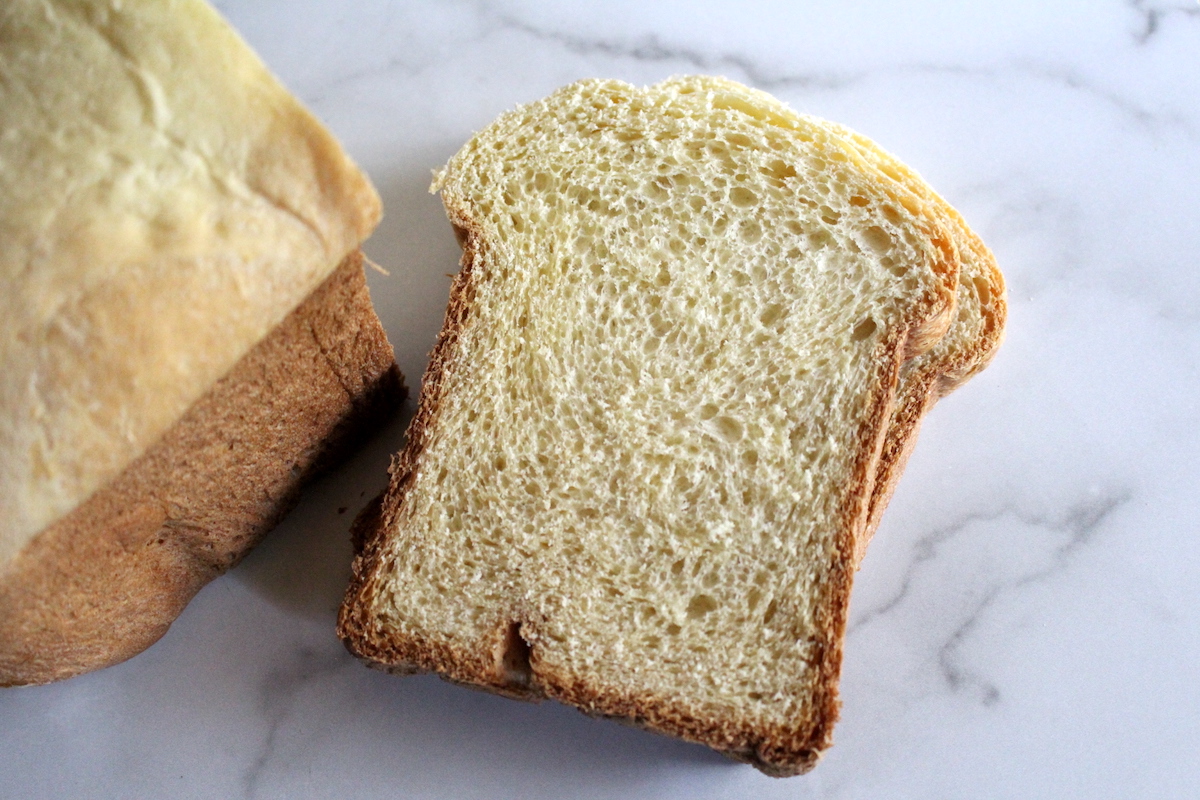
Zopf is the Swiss/German egg bread that’s traditionally formed into a thick braid and baked on Sundays. The word comes from Züpfe, meaning “to braid.” The dough is enriched with milk and butter, lifted by a whole egg, and rises into a particularly fluffy, pale-yellow loaf that keeps soft for days. It’s the bread you put on the table for Sunday brunch, slice for ham sandwiches, or toast with butter and jam for breakfast.
Zopf is closely related to other egg breads (challah, brioche, milk bread) but distinct from each. Compared to my Bread Machine Challah, zopf is fluffier and less rich; it uses milk and butter (which challah doesn’t), but only one whole egg instead of multiple yolks. The result is paler in color and lighter in texture. Compared to my Bread Machine Brioche, zopf has far less butter and only one egg, so it’s much lighter and more sandwich-friendly.
I’ve tested this recipe in my Zojirushi Home Bakery Supreme and a Cuisinart bread machine. The recipe card has 2-pound and 1 1/2-pound amounts. See the Variations section below for traditional braided zopf, butterzopf (richer Sunday version), whole wheat, and raisin variations, or browse my full collection of bread machine recipes.
Why you’ll love this family favorite recipe!

This recipe is adapted from The Bread Lover’s Bread Machine Cookbook, which is the bread machine reference I reach for most often. Zopf isn’t a bread you’ll find at most American grocery stores, but if you’ve ever traveled to Switzerland or have Swiss family, this is the bread that probably sat on the table for Sunday breakfast. The bread machine version is faithful to the flavor and texture, with a fraction of the work. We make it most often as a Sunday breakfast loaf or for ham-and-cheese sandwiches; the milk-and-butter dough holds up beautifully for both.
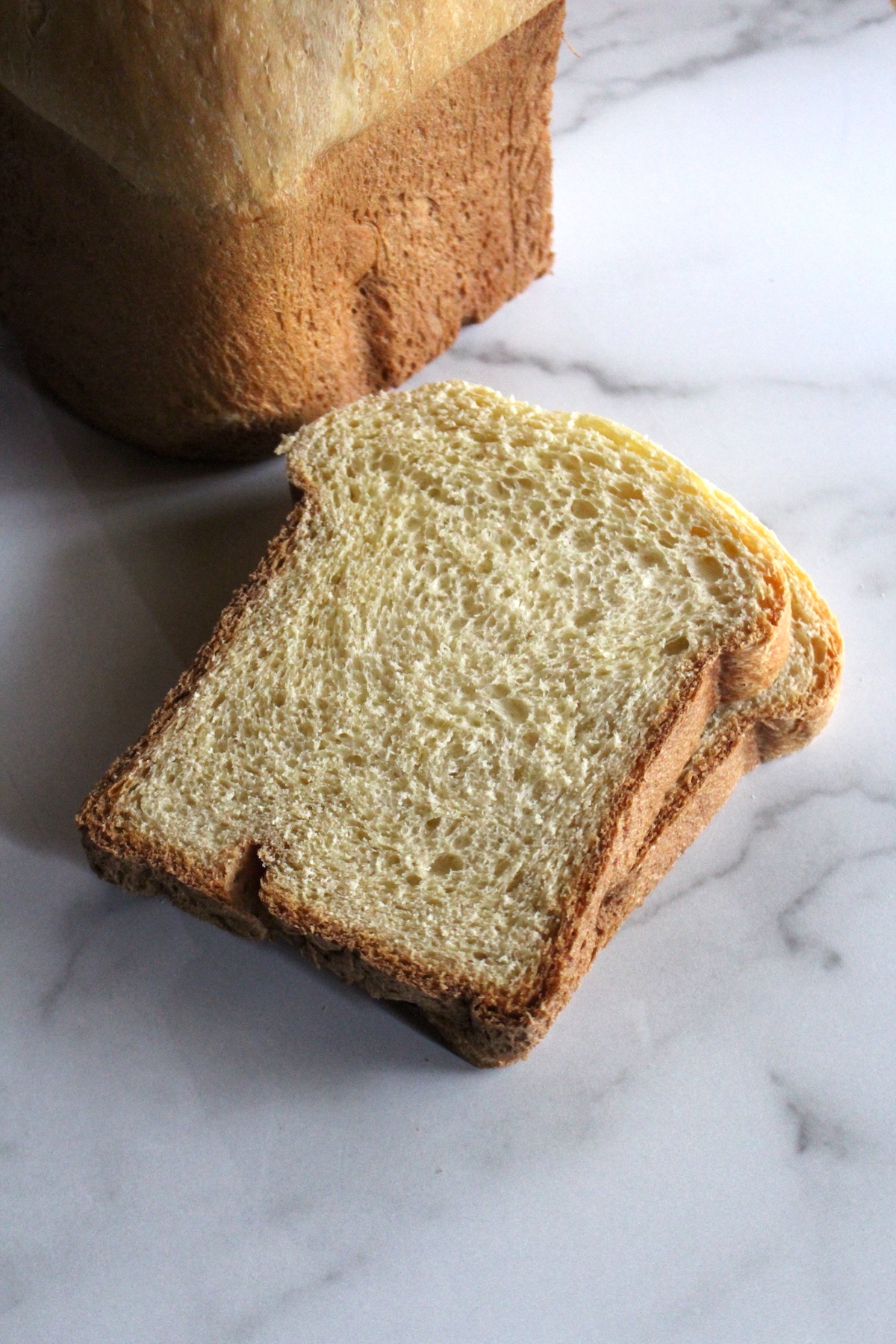
Quick Look at the Recipe
- Makes: 1 loaf, about 16 slices (2 lb default)
- Active prep: 5 minutes
- Total time: about 3 hours (basic white cycle)
- Loaf size: 2 lb (1 1/2 lb amounts in recipe notes)
- Machine setting: Basic White cycle, medium crust
- Flour: 4 cups bread flour
- Yeast: 2 1/4 tsp SAF instant yeast (also sold as bread machine yeast)
- Optional: Use the Dough cycle to make traditional braided zopf, baked in the oven on a tray.
Ingredients for Bread Machine Zopf
Standard pantry ingredients across the board. The single whole egg is what gives zopf its distinctive lift and pale-yellow color, while the milk and butter make the crumb tender and the loaf soft for days.
The recipe is written for a 2-pound loaf, the default on most modern bread machines, with 1 1/2-pound amounts in the recipe notes. Add the ingredients in two batches: liquid first into the bottom of the pan, then dry on top.
- Milk: Lukewarm. Whole, 2%, or skim all work. The milk is what keeps zopf softer for longer than challah; don’t substitute water for the milk or you’ll lose this character. Buttermilk works as a substitute and adds a slight tang. For a fully water-based loaf without the egg or dairy, see my Bread Machine White Bread.
- Water: Lukewarm. The water-plus-milk combination keeps the dough hydrated without making it too rich.
- Egg: One whole large egg, no need to beat first; the machine handles it. The whole egg (with white) is what makes zopf fluffier than challah, which uses extra yolks for richness instead.
- Butter: Unsalted, room temperature, cut into pieces. Salted works too; just reduce the salt by 1/4 teaspoon. Olive oil or any neutral oil substitutes 1:1, though butter gives the most authentic flavor.
- Bread flour: Bread flour gives zopf its characteristic lift and chewy structure. King Arthur Bread Flour is what I use. All-purpose works in a pinch but produces a slightly less lofty loaf.
- Sugar: A small amount feeds the yeast and balances the dough. Zopf is barely sweet (much less sweet than challah or brioche).
- Salt: Essential for flavor and yeast regulation. The 2 tsp may seem like a lot but it’s appropriate for a 4-cup flour recipe.
- SAF instant yeast: SAF instant yeast is what I use. Bread machine yeast is the same product. For active dry yeast, use 2 3/4 tsp instead of 2 1/4 tsp and dissolve in the water for 10 minutes before starting.
Flour notes: Bread flour is the right choice for zopf because the egg-and-milk-enriched dough needs the extra protein for structure. All-purpose works but produces a slightly lower rise. “00” flour can also be used and gives a tender, almost-pasta-like crumb. If your dough looks dry during the first minutes of kneading, drizzle in 1 tablespoon of milk or water at a time.
For yeast, SAF instant yeast and bread machine yeast are the same product, placed in a well on top of the flour with the dry ingredients. If you only have active dry yeast, use 2 3/4 tsp instead of 2 1/4 tsp and dissolve in the warm water (not the milk) for 10 minutes before starting. Don’t use the delay timer with this recipe; the egg and milk are perishable and shouldn’t sit in the pan for hours.
How to Make Bread Machine Zopf
Set it and walk away. If you want the traditional braid shape, use the Dough cycle and finish in the oven instead (see Variations).
Step 1. Add the liquid ingredients to the bread pan first. Milk, water, the whole egg (cracked in directly), and the butter cut into pieces.
Step 2. Add the flour on top of the liquid, covering it completely. Think of the flour as an island floating on top of the liquid. The yeast needs to stay dry until the machine starts kneading.
Step 3. Make a small well in the flour for the sugar, salt, and yeast. Keep the salt and yeast on opposite sides of the well; direct contact slows the yeast.
Step 4. Select the Basic White cycle and medium crust. Press start.
Step 5. Watch the first 2 to 3 minutes of kneading. The dough should form a smooth ball that pulls away from the sides; it will be slightly stickier than a plain white bread dough because of the egg and butter, but should still come together. If it looks too wet, add 1 tablespoon of flour at a time. If too dry, add 1 tablespoon of milk or water.
Step 6. Let the machine complete the cycle. Don’t open the lid during the rises or the bake.
Step 7. Remove when the bake cycle finishes. Turn the loaf out onto a wire rack and let it cool for at least 30 to 45 minutes before slicing. Zopf has a tender crumb that tears easily if cut warm.
Recipe Tips
Don’t substitute water for the milk. The milk is what gives zopf its tender crumb and keeps the loaf soft for days. Without it, you’ll get a perfectly nice white bread but not zopf. If you’re dairy-free, see the Variations for an oat-milk version.
Don’t use the delay timer. The egg and milk are perishable and shouldn’t sit in the bread machine pan for hours before the cycle starts. Always bake immediately after loading the pan.
Watch the dough during the first 2 to 3 minutes of kneading. Zopf dough should form a smooth ball that’s slightly stickier than plain white bread (because of the egg and butter) but still comes together. Add flour or milk 1 tablespoon at a time as needed.
For the traditional braid shape, use the Dough cycle. When the dough cycle finishes, turn the dough onto a floured surface, divide into 3 portions, roll each into a long rope (start thicker at one end and taper toward the other for the classic Swiss look), and braid. Place on a parchment-lined baking sheet, rise covered for 30 to 45 minutes, brush with egg wash, and bake at 375°F for 25 to 30 minutes until golden.
Cool before slicing. Zopf’s tender, fluffy crumb compresses into gummy slices if cut warm. Let it rest at least 30 to 45 minutes on a wire rack. For more rise and texture troubleshooting, see my Bread Machine Troubleshooting Guide.
Variations
This recipe is the baseline for several easy variations. Each is a simple tweak from the base recipe:
- Traditional braided zopf (oven-baked): Use the Dough cycle. When it finishes, turn the dough onto a floured surface, divide into 3 portions, roll each into a long rope (start thicker at one end and taper to thinner at the other for the authentic Swiss look), and braid. Place on a parchment-lined baking sheet, rise covered 30 to 45 minutes, brush with an egg wash (1 egg yolk + 1 Tbsp milk), and bake at 375°F for 25 to 30 minutes until golden and the internal temperature reaches 190°F.
- Butterzopf (richer Sunday version): Increase the butter to 1/2 cup (8 Tbsp) for the 2-pound recipe. Reduce the water by 2 tablespoons to compensate. The result is closer to a brioche-zopf hybrid: still lighter than brioche, but noticeably richer than standard zopf. Traditional Sunday-morning version in many Swiss households.
- Whole wheat zopf: Replace 1 cup of the bread flour with King Arthur Whole Wheat Flour for a heartier version. Add 1 to 2 tablespoons of extra milk if the dough looks dry. Don’t exceed 1 cup whole wheat or you lose the characteristic light fluffy texture. For a fully whole wheat sandwich loaf, see my Bread Machine Whole Wheat Bread.
- Raisin zopf (Rosinenzopf): Add 1/2 cup of raisins at the mix-in beep, about 20 to 30 minutes into the cycle. A common Swiss breakfast variation. Excellent toasted with butter.
- Dairy-free zopf: Use oat milk in place of regular milk and substitute the butter with vegan butter or olive oil. The loaf will be slightly less rich but holds the zopf character.
- More egg-rich and enriched bread machine recipes: Try my Bread Machine Challah for the Jewish parve cousin, my Bread Machine Brioche for a much butterier French take, my Bread Machine Honey White Bread for a soft sandwich loaf, my Bread Machine Honey Oat Bread for a heartier breakfast loaf, or my Bread Machine Cinnamon Raisin Bread for a sweet breakfast option.
FAQs
Both are traditional egg breads, but they’re different in three ways. Zopf uses milk and butter and one whole egg, giving a fluffier, paler, less rich loaf. Challah uses oil and honey (no dairy, due to Jewish dietary law) and multiple egg yolks, giving a richer, deeper-yellow, denser loaf. Zopf keeps soft on the counter for days because of the milk; challah stales faster. Both are excellent, just for different occasions.
Yes. Use the Dough cycle on the bread machine. When the dough finishes, divide into 3 portions, roll each into a long rope (traditionally tapered, thicker at one end), braid, and place on a parchment-lined baking sheet. Rise covered for 30 to 45 minutes, brush with egg wash, and bake at 375°F for 25 to 30 minutes until golden. The flavor is the same as the bread-machine-baked version; the braid is just for presentation.
You can, but the loaf won’t be zopf anymore. The milk is what makes zopf fluffy and keeps it soft on the counter for days. Without it, you’d get a plain white bread with an egg, which is fine but lacks the zopf character. If you’re dairy-free, oat milk is the closest substitute (slightly less rich but holds the texture).
No. The egg and milk are perishable and shouldn’t sit in the bread machine pan for hours before the cycle starts. Always bake immediately after loading the ingredients. For a delay-timer-compatible egg-rich bread, use my Bread Machine Honey White Bread instead.
5 to 6 days at room temperature in a bread bag or wrapped in a clean dish towel. The milk in the dough keeps zopf soft longer than most enriched breads. Do not refrigerate; refrigeration speeds up staling. For longer storage, slice and freeze in a zip-top bag; frozen slices toast straight from the freezer and make excellent French toast.
Bread Machine Recipes
If you tried this Bread Machine Zopf recipe, or any other recipe on Adamant Kitchen, leave a ⭐ star rating and let me know what you think in the 📝 comments below!
And make sure you stay in touch with me by following on social media!
Bread Machine Zopf (Swiss Egg Bread)
Equipment
Ingredients
Liquid Ingredients (Add First)
- 1/2 cup milk
- 2/3 cup water
- 1 egg
- 3 Tbsp butter, unsalted, room temperature, cut into pieces
Dry Ingredients( On Top of Liquid Layer)
- 4 cups bread flour
- 1 1/2 Tbsp sugar
- 2 tsp salt
- 2 1/4 tsp SAF Instant Yeast, or 2 3/4 tsp active dry yeast
Instructions
- Add liquid ingredients to the bread pan in this order: milk, water, egg, butter.
- Add the flour on top, covering the liquid completely.
- Make a small well in the flour. Place the sugar, salt, and yeast in the well, with salt and yeast on opposite sides.
- Select the Basic White cycle and medium crust setting. Press start.
- Watch the first 2 to 3 minutes of kneading. The dough should form a smooth ball; it will be slightly stickier than plain white bread because of the egg and butter. Add 1 tablespoon of flour if too wet, or 1 tablespoon of milk if too dry.
- Let the machine complete the cycle without opening the lid.
- Remove the loaf onto a wire rack. Cool 30 to 45 minutes before slicing.
Notes
- 1/2 cup milk
- 1/3 cup water
- 1 large egg
- 2 Tbsp butter, unsalted, room temperature, cut into pieces
- 3 cups bread flour
- 1 Tbsp sugar
- 1 1/2 teaspoons salt
- 2 teaspoons SAF yeast (or 2 1/2 tsp active dry yeast)
- SAF instant yeast or bread machine yeast: 2 1/4 tsp (interchangeable 1:1).
- Active dry yeast: 2 3/4 tsp, dissolved in the warm water (not the milk) for 10 minutes before starting. Not compatible with the delay timer.
Nutrition
Nutrition information is automatically calculated, so should only be used as an approximation.
50+ Bread Machine Recipes
Bread machine recipes can be hard to find, as bread makers were most popular before the internet became a thing. …
Find the perfect recipe
Searching for something else? Enter keywords to find the perfect recipe!
1 Comment