This post may contain affiliate links. Please see our disclosure policy.
Instant Pot adzuki beans cook straight from the bag in about an hour, with no overnight soak. Cook them until tender for soups, rice, and salads, or a little longer until they’re soft enough to mash into sweet red bean paste.
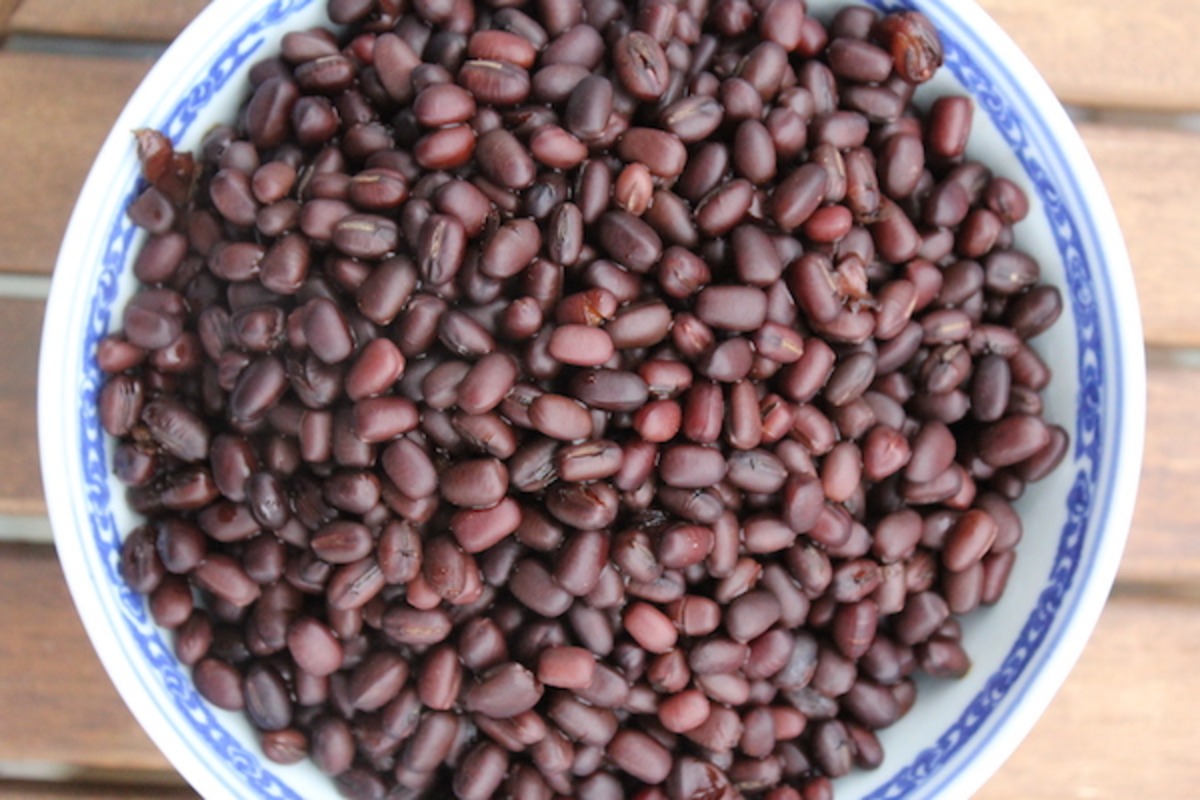
Table of Contents
- Notes from My Kitchen
- What Are Adzuki Beans?
- Adzuki Beans vs. Red Beans
- Ingredients for Instant Pot Adzuki Beans
- Yield Notes
- How to Make Instant Pot Adzuki Beans
- Cooking Soaked Adzuki Beans in the Instant Pot
- How to Make Red Bean Paste from Instant Pot Adzuki Beans
- Tips for the Best Instant Pot Adzuki Beans
- Ways to Use Instant Pot Adzuki Beans
- Storing Instant Pot Adzuki Beans
- Instant Pot Adzuki Beans FAQs
- More Bean and Lentil Recipes
- Instant Pot Adzuki Beans Recipe
- More Asian-Inspired Recipes
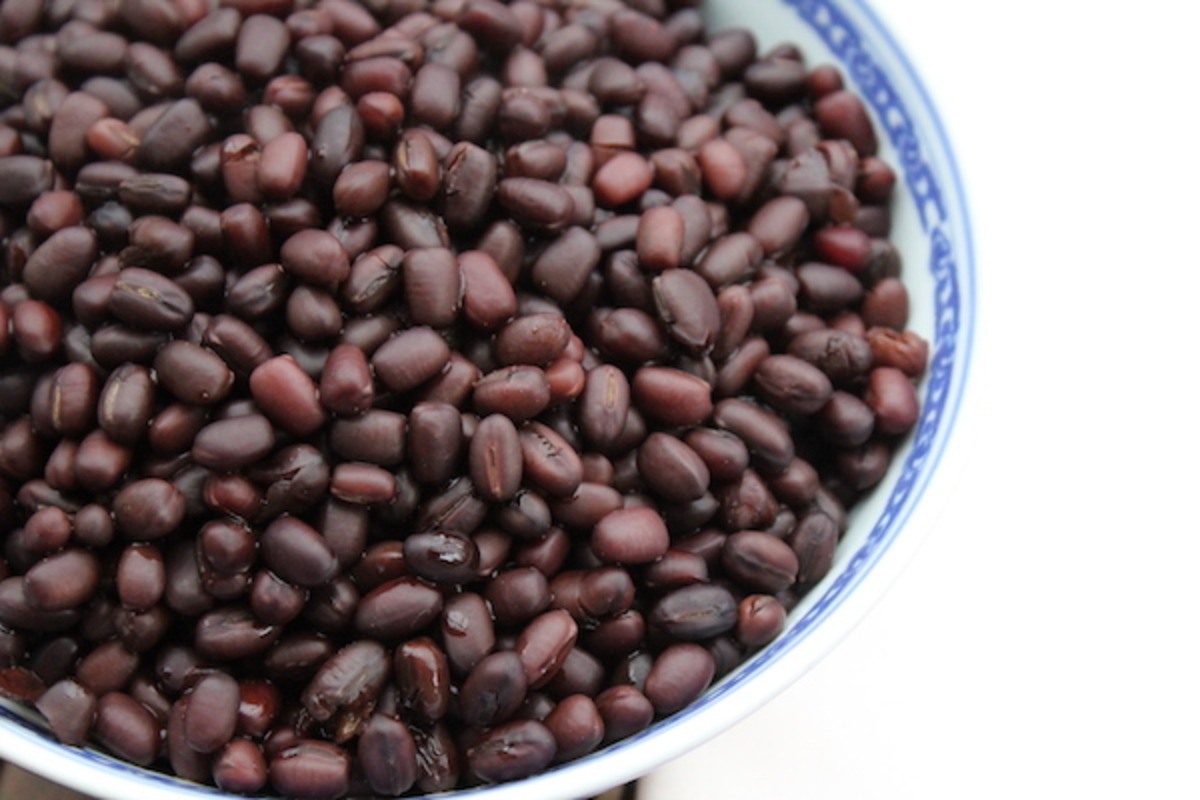
Adzuki beans are small, dark red beans with a thin white stripe down one side. They taste mild and a little sweet, and they turn creamy inside while the skins stay mostly whole.
Across Japan, China, and Korea, most adzuki beans end up sweetened. They’re the beans in red bean paste, which fills mochi, mooncakes, and steamed buns, and they simmer into sweet red bean soup. They go into savory dishes too, like Japanese red bean rice and Korean red bean porridge.
They’re just as easy to use in an everyday American kitchen. Cooked adzuki beans can go into chili, a grain bowl, or a bean salad, anywhere you’d use small red beans.
Look for dry adzuki beans at Asian grocery stores, natural food stores, and bulk bins. The bag may say azuki or aduki instead, and Chinese and Korean recipes often just call them red beans.
Adzuki beans aren’t the only beans we cook this way. My Instant Pot pinto beans go into tacos, and Instant Pot great northern beans are a good start for soup. Adzuki beans are smaller, so they cook faster than either one.
Notes from My Kitchen

We love beans of all kinds in our house, and the Instant Pot is how we actually get them on the table. I never remember to soak beans the night before, and I don’t want a pot simmering on the stove all afternoon. With the Instant Pot, dry beans go from the pantry to dinner with no planning ahead.
My husband loves sweet red bean paste, so a lot of our adzuki beans end up in steamed buns. We pressure can beans for the pantry too, but not everyone’s a canner, and you don’t need to be one to enjoy a pot of beans on a busy weeknight.
What Are Adzuki Beans?
Adzuki beans (Vigna angularis) are a small bean grown mostly in East Asia, especially China and Japan. Each one is only about 1/4 inch long, with a thin white ridge along one side.
The name comes from Japanese, which is why you’ll see it spelled adzuki, azuki, and aduki. Red is by far the most common color, but there are black, white, and mottled adzuki beans too.
Because they’re small, they cook quickly and don’t need an overnight soak. The inside cooks up soft and smooth, which is why adzuki beans make such a good bean paste.
Adzuki Beans vs. Red Beans
In Chinese and Korean recipes, “red beans” usually means adzuki beans. In American recipes, red beans are something else: small red beans or red kidney beans, the kind that go into red beans and rice or chili.
Those are a different species, and they’re bigger. You can swap adzuki beans into chili or a bean salad, but for red bean paste and sweet red bean soup, look for a bag labeled adzuki or azuki.
Ingredients for Instant Pot Adzuki Beans
This recipe is just beans and water, so the beans are ready for sweet or savory dishes. Salt is up to you.
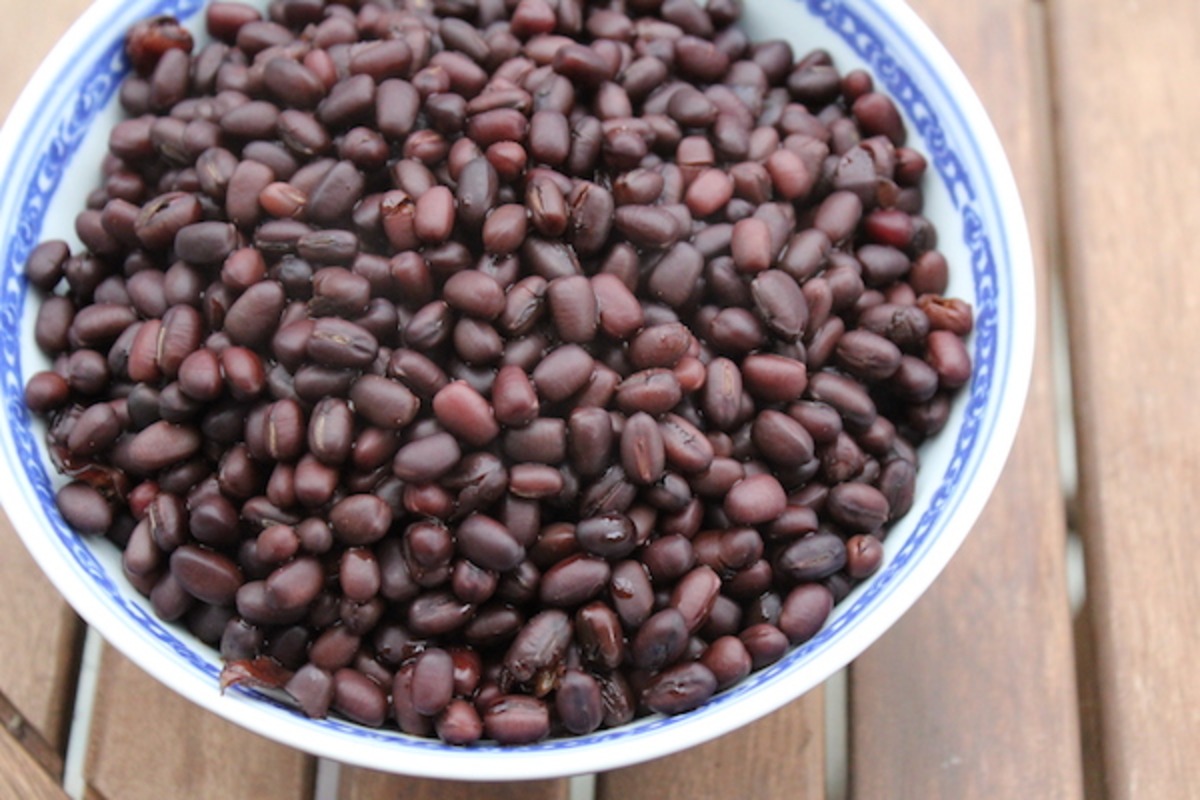
- Dry adzuki beans: Pick through them for small stones and shriveled beans, and rinse them well before they go in the pot. They hold their shape at the shorter cooking time and turn soft enough to mash at the longer one.
- Water: Plain water keeps the beans neutral, so they work in red bean paste as well as chili. For savory beans, you can use broth in place of some or all of the water.
- Salt (optional): Add it at the start for savory dishes, or leave it out if you’re making red bean paste.
Yield Notes
One pound of dry adzuki beans is a little over 2 1/4 cups, and it cooks up to about 5 cups of beans. With the water, the pot starts out around 8 cups, well under the half line in a 6 quart Instant Pot.
Don’t double this recipe in a 6 quart pot. Two pounds of beans and their water go past the half line, so cook a second batch instead.
How to Make Instant Pot Adzuki Beans
Most of this is hands-off. Plan on 10 to 15 minutes for the pot to come up to pressure, 20 minutes of cooking, and 15 minutes for the pressure to come down.
Pressure cooker makers say foods that foam and expand, like beans, shouldn’t fill the pot past the half line. This batch fits a 6 quart Instant Pot and stays well under it.
Sort and Rinse the Beans
Pour the beans out onto a rimmed baking sheet and pick out any little stones, clumps of dirt, or shriveled beans.
Then rinse them in a mesh strainer under cold water. There’s no need to soak them.
Add the Water
Put the beans in the inner pot and add the water, plus salt if you’re using it. Give it a stir so no beans stick together on the bottom.
Measure the water with a liquid measuring cup. The beans need enough water to stay covered as they swell. You can drain off any extra or save it for soup.
Cook on High Pressure
Lock the lid, turn the steam release to Sealing, and cook on high pressure for 20 minutes for tender, whole beans. For very soft beans that mash easily into red bean paste, cook them for 25 minutes instead.
The timer doesn’t start until the pot reaches pressure, which takes 10 to 15 minutes. After that, there’s nothing to watch.
Let the Pressure Come Down
When the cooking time ends, leave the valve alone for 15 minutes so the pressure drops on its own. Then turn it to Venting to let out any steam that’s left.
Don’t quick release beans. Pressure cooker makers warn against it, because the foamy cooking liquid can spray out of the valve.
Taste the Beans
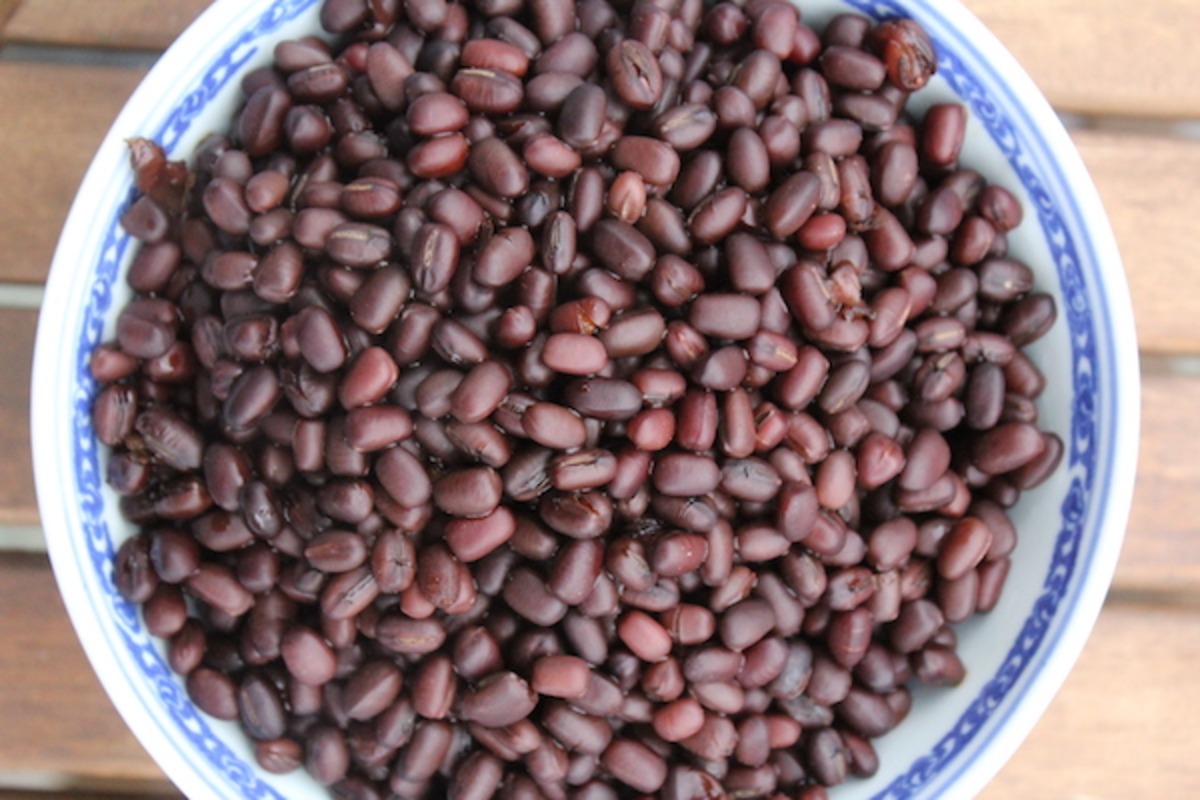
Open the lid, tilting it away from you, and taste a few beans from the top of the pot. Tender beans are soft and creamy all the way through, with the skins still on.
If they still have a firm center, lock the lid and cook them on high pressure for another 5 minutes, then let the pressure come down again. Older beans are usually the ones that need it.
Drain the beans for salads and rice, or keep them in their cooking liquid for soup.
Cooking Soaked Adzuki Beans in the Instant Pot
If you soaked your adzuki beans for 6 to 8 hours, drain them and cook them in 4 cups of fresh water instead of 6. Soaked beans have already taken on water, so they need less of it.
Cook soaked beans on high pressure for 4 to 6 minutes for tender beans, or about 10 minutes for very soft beans. Then let the pressure come down on its own for 15 minutes. Soaked beans vary a lot, so taste a few and give them a few more minutes if they need it.
Soaking is optional with adzuki beans. It shortens the time at pressure, but I rarely plan that far ahead, so most of our batches go in dry.
How to Make Red Bean Paste from Instant Pot Adzuki Beans
Sweet red bean paste, called anko in Japan, is the filling in steamed buns, mochi, and dorayaki. It starts with very soft adzuki beans, so cook them for the longer 25 minutes, then drain off the cooking liquid.
Put the beans back in the pot with sugar and a pinch of salt, and stir them on the low sauté setting. The paste is ready when you can drag a silicone spatula through it and see the bottom of the pot for about a second for smooth paste, or two seconds for chunky paste. Most anko recipes use about as much sugar as dry beans by weight, or a little less for a less sweet paste.
Mash the beans with a potato masher for chunky paste, or puree them with an immersion blender for smooth paste. Just One Cookbook’s pressure cooker anko has the full recipe with weights for both.
Tips for the Best Instant Pot Adzuki Beans
Buy beans from a busy store. Old beans are the usual reason a batch comes out hard. An Asian market or a bulk bin that turns over quickly is a better bet than a dusty bag at the back of a shelf.
Add tomatoes after cooking. Salt doesn’t keep beans from softening, but acid slows it down. Cook the beans first, then add tomatoes, vinegar, or lemon juice once they’re tender.
Pick the time for the dish. Use 20 minutes when you want the beans whole, for salads, rice, and chili. Use 25 when they’re going into bean paste or soup, where soft is the goal.
Don’t pour out the cooking liquid. Sweetened, it’s the start of red bean soup, and it’s handy for thinning chili or stew.

Ways to Use Instant Pot Adzuki Beans
In our house, most red bean paste goes into steamed buns, though I’m partial to char siu pork in mine. Dumplings are a regular dinner here too, from homemade gyoza to Mongolian buuz.
Sweetened, adzuki beans also make red bean soup, a dessert soup in both China and Japan. Japanese cooks call it zenzai and serve it with toasted mochi. Amy + Jacky’s Instant Pot red bean soup and Just One Cookbook’s zenzai both start from dry beans.
For an easy dessert, spoon a little red bean paste over a scoop of sweet cream ice cream.
For savory meals, stir the whole beans into chili, toss them into a grain bowl, or cook them into rice. They’re good next to Asian dinners like crispy baked ginger miso chicken thighs, Thai cashew chicken, or Thai pineapple fried rice.
For a bean salad, dress them the way you would the lentils in azifa, an Ethiopian lentil salad. Adzuki beans also stand in for kidney beans in rajma, the North Indian kidney bean curry, and they come out creamy. If you like Indian dinners with legumes, lamb dhansak cooks lamb with lentils.
Storing Instant Pot Adzuki Beans
Let the beans cool, then store them in a little of their cooking liquid so they don’t dry out. They keep for 3 to 4 days in the fridge in a covered container, like a wide-mouth jar with a leak-proof storage lid.
For longer storage, freeze them in their liquid for 3 to 4 months. Portions of about 1 1/2 cups, roughly what’s in a can of beans, are easy to drop into a recipe.
There’s no tested method for canning beans that are already cooked. If you want adzuki beans on the pantry shelf, can them from dry beans in a pressure canner, the same way as any other dry bean, following my guide to canning beans. An Instant Pot isn’t a pressure canner, even models with a canning button, and pressure canning in an Instant Pot isn’t safe.
Instant Pot Adzuki Beans FAQs
These come from reader questions about soaking, cooking times, salt, and beans that stay hard.
No. Adzuki beans are small enough to cook straight from the bag, and unsoaked beans take 20 minutes on high pressure for tender beans or 25 for very soft ones. Soaking is optional and shortens the cooking time.
Soaked adzuki beans take 4 to 6 minutes on high pressure for tender beans, or about 10 minutes for very soft beans, with a 15 minute natural release. Drain them and cook them in 4 cups of fresh water. Taste a few, and give them a few more minutes if they’re still firm.
Old beans are the most common reason, since dry beans take longer to soften as they age. Tomatoes or other acidic ingredients cooked in with the beans slow their softening too. Lock the lid, cook them for another 5 minutes on high pressure, and let the pressure come down on its own.
You can. Salt doesn’t keep beans from softening, so add it at the start if the beans are going into a savory dish. Leave it out for red bean paste, and add a pinch with the sugar instead.
Yes. Start from dry beans and use the same tested process as any other dry bean, in a pressure canner. If you want to try it, start with my guide to canning beans. Don’t can beans that are already cooked, and don’t pressure can in an Instant Pot.
More Bean and Lentil Recipes
Beans and lentils for filling weeknight dinners.



If you tried this Instant Pot Adzuki Beans recipe, or any other recipe on Adamant Kitchen, leave a ⭐ star rating and let me know what you think in the 📝 comments below!
And make sure you stay in touch with me by following on social media!

Instant Pot Adzuki Beans
Equipment
- Rimmed Baking Sheet
Ingredients
- 1 pound dry adzuki beans, sorted and rinsed, see notes
- 6 cups water
- 1 teaspoon salt, optional, see notes
Instructions
- Spread the beans on a rimmed baking sheet and pick out any stones or shriveled beans, then rinse them in a mesh strainer. There’s no need to soak them.
- Add the beans, water and salt, if using, to the inner pot and stir. Check that everything sits below the half line marked inside the pot.
- Lock the lid, turn the steam release to Sealing, and cook on high pressure for 20 minutes for tender, whole beans, or 25 minutes for very soft beans for red bean paste. The pot takes 10 to 15 minutes to come up to pressure before the timer starts.
- When the time ends, let the pressure come down on its own for 15 minutes, then turn the steam release to Venting to let out any steam that’s left. Don’t quick release beans.
- Open the lid, tilting it away from you, and taste a few beans from the top of the pot. If they’re still firm in the center, lock the lid and cook on high pressure for another 5 minutes with a natural release.
- Drain the beans for salads and rice, or store them in a little of their cooking liquid.
Notes
Nutrition
Nutrition information is automatically calculated, so should only be used as an approximation.
More Asian-Inspired Recipes
Dumplings, chicken, and fried rice to round out the meal.



Find the perfect recipe
Searching for something else? Enter keywords to find the perfect recipe!

Super helpful, thank you! I did exactly as suggested – 1 lb dried adzuki with 4c water at high pressure for 20 min (my beans are older so I went with the longer end of the cooking time) and they turned our great.
You must not have soaked them long enough. And natural release for only 10 minutes then quick release. If you wait any longer, the beans will get mushy!
My beans were soaked and after 6 minutes and 10 minutes before qpr they were still very hard. I redid them, unfortunately too long for 18 minutes. Just don’t see how 6 minutes can possibly be enough.
Thank you! I did not know how long to cook the beans in the pressure cooker until I read this.
No problem! I’m glad you liked it!
Great information. Thank you!