This post may contain affiliate links. Please see our disclosure policy.
Greengage recipes are worth planning ahead for, since these little green plums are only around for a few weeks in late summer. They’re honey sweet and fragrant, and every title below links to a full recipe, from compote and jam to tarts, cakes, and greengage gin.

Greengages look like unripe plums, but don’t let the color fool you. A ripe greengage is soft, green or pale yellow-green, and it tastes like honey with a hint of apricot.
They’re European plums (Prunus domestica), and in France they’re called Reine Claude. The name honors Queen Claude of France, the daughter of Louis XII and the wife of Francis I.
Greengage trees grow in USDA zones 5 to 9, and some nurseries list them down to zone 4. If you’d like a tree of your own, Grow Organic sells a Green Gage plum tree, and you’ll find more on backyard and wild plums in my guide to foraging wild plums.
In England, greengages ripen in mid to late summer. In New York State, they’re usually ripe around the first week of September, so keep an eye on the farmers market then. For more late summer and fall fruit, try my damson recipes or these quince recipes.

Preparing Greengage Plums
A ripe greengage gives a little when you squeeze it gently. If yours are still hard, leave them on the counter for a few days.
To get them ready, wash them, cut them in half along the seam, and twist out the pit. The skins are thin, so most of these recipes leave them on.
If you’re feeling ambitious, you can crack the pits and take out the little kernels inside. Old-fashioned preserve recipes sometimes add a few, and kernels like these are used to flavor liqueurs, most famously French noyaux.

Notes from My Kitchen

Every recipe on this list is made with greengages. Where I have my own recipe, like my greengage jam and greengage wine, it’s the first one on its list.
My greengage wine started with a recipe in the book Preserve It!, which had one written just for greengages.
Greengage Recipes
These greengage recipes run from five-minute salads to a weekend of jam making. Each recipe name is a link, so click it to go to the full recipe with its ingredients and steps.
If you’re wondering what to do with greengages when there’s a whole bucket of them, start with the preserves. Jam, chutney, and canned plums keep the harvest going all winter.
Simple Greengage Recipes
Ripe greengages are sweet enough to eat raw, so the simplest recipes barely cook them. The compote is just greengages simmered with honey and lemon, and it’s lovely over yogurt or ice cream.
The poached greengages cook in white wine with star anise. Then they’re served with crunchy toffee bread crumbs and whipped cream.
Raw greengages also go into salads, sliced and tossed with figs, fresh mint, pistachios, or other green fruit.
- Green Fruit Salad with Greengages
- Greengage Plum Salad with Mint and Pistachios
- Fig and Greengage Salad
Greengage Preserve Recipes
Plums other than Italian prune plums have enough natural pectin and acid to set a jam, and greengages make a golden one. They’re easy to work with, too, since all you have to do is pit them.
Several of these recipes come from British kitchens, where jam is usually sealed in hot jars without a water bath. For shelf-stable jars, follow a tested canning recipe like my greengage jam, or keep the jars in the fridge.
For jelly, the plums are cooked and strained, and only the juice gets set with sugar. One of these jellies is flavored with red chili and rosemary, which makes it a good match for cheese and roast meat.
Chutney turns greengages into something savory for a sandwich or a cheese board. The fruit leather is greengages pureed with a little sugar and orange blossom, then dried into a chewy sheet.
- Greengage Chutney with Currants and Clove
- Greengage Chutney with Ginger and Turmeric
- Greengage and Orange Blossom Fruit Leather

Canning and Freezing Greengages
Whole or halved greengages can be canned in syrup, the same way as any other plum. Oregon State University lists green gage by name in its plum canning guide, and my canning plums post has the full process.
Greengages freeze well, too. Halve and pit them, then freeze them plain, packed in sugar, or in syrup, the way Oregon State’s guide does for other plums. You’ll have fruit ready for a crumble in the middle of winter.
Greengage Pies, Crumbles and Tarts
If you’re short on time, start with a crumble, since there’s no pastry to roll out. Save the pies and tarts for a weekend when you can take it slow.
Both crumbles keep it simple, one with a hazelnut topping and one with rolled oats. They’re quick to throw together on a weeknight, and they’re good warm with cream or ice cream.
The pies and tarts take a little more time. Greengages share the crust with other plums in the pie and with blackberries in the galette, and the French tart sets them on pastry cream with an apricot glaze.
- Plum and Greengage Pie
- Greengage, Blackberry and Hazelnut Galette
- Tarte aux Reine Claudes (French Greengage Tart)
- Greengage and Vanilla Tart
Greengage Cakes and Creamy Desserts
In a cake, greengages bake into soft, jammy pockets. The French yogurt cake is an easy everyday cake, and the caramelized cake is made with ground almonds and rice flour.
For more fruit cakes, try my blackcurrant cake or my quince cake. Both are good ways to use up a bowl of fruit that’s a little too soft to eat fresh.
For something creamy, cranachan layers greengages with whipped cream, honey, toasted oats, and a splash of whisky. The Vin Santo greengages are poached and served over vanilla ricotta, and the sorbet is just greengages, sugar, and lime.
- Cranachan with Greengages and Raspberries
- Vin Santo Poached Greengages with Almonds and Ricotta
- Greengage Sorbet
Greengage Drinks
Greengages make a mild, fruity country wine, and they’re easy to steep in gin. A simple greengage gin needs nothing more than the fruit, sugar, and a bottle of gin.
In France, greengages are also kept whole in eau-de-vie with a little syrup. The fruit soaks up the spirit as it sits, and you end up with boozy plums and a sweet plum brandy. For more fruit steeped in spirits, try my quince liqueur or rhubarb liqueur.
- Greengage Plum Wine
- Greengage Gin
- Greengage Gin with Cardamom, Cinnamon and Cloves
- Greengages in Eau-de-Vie
Greengage Recipes FAQs
Readers ask what to do with greengages and how to tell when they’re ripe, so the answers are here.
Eat them fresh, slice them into salads, or simmer them into a quick compote. They also make lovely jam, jelly and chutney, and they bake well in crumbles, tarts and cakes. If you have more than you can use, can them in syrup or freeze them.
Yes. Greengages are European plums, Prunus domestica, and in France they’re called Reine Claude. They stay green or yellow-green when they’re ripe, which is why they’re easy to mistake for unripe plums.
A ripe greengage gives a little when you squeeze it gently, and it smells sweet. The color goes from bright green to a softer yellow-green. They’re usually ripe in mid to late summer in England and around early September in New York State.
Yes. Halve and pit them, then freeze them plain, packed in sugar, or in syrup. Frozen greengages are best in cooked recipes like crumbles, compote and jam, since they soften as they thaw.
Plums other than Italian prune plums have enough natural pectin and acid to set, so many greengage jam recipes don’t add any. Some recipes use pectin for a quicker, firmer set. Follow the recipe you’re making, since the sugar and cooking time are written for its method.
More Fruit Recipe Roundups
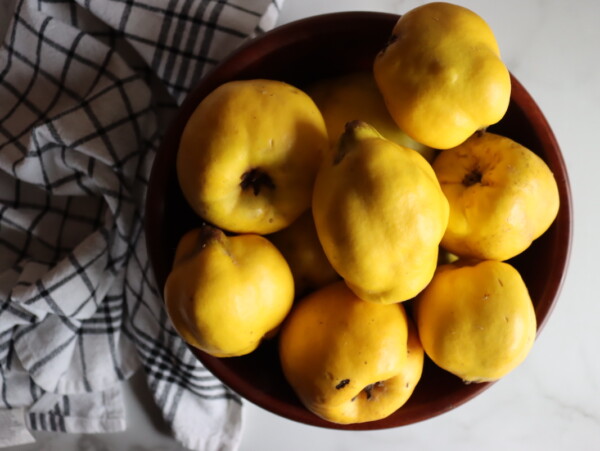
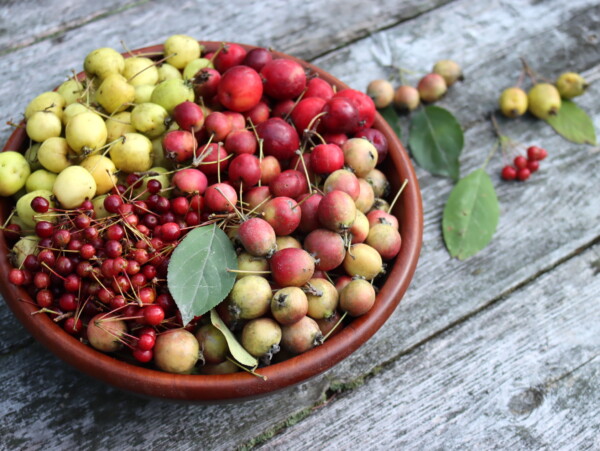
Damsons, quince, and crabapples are three more orchard fruits that shine in jam and baking.

Did you find this list of greengage recipes helpful? Tell me in the 📝 comments below what you make with your greengage harvest, and if there’s a recipe you’re looking for that you don’t see, leave me a note and I’ll see what I can find for you. I’m here to help!
And make sure you stay in touch with me by following on social media!
Find the perfect recipe
Searching for something else? Enter keywords to find the perfect recipe!


That’s really nice n awesome. Thanks for sharing.